The Noise Outside
When the sound of breaking glass interrupts the seder
The Noise Outside
“Everyone take some matzah,” my dad said as he passed around the plate. Shalzed inspected the matzah carefully, then cracked off a small piece and passed it along to Nora.
“We’re supposed to eat it while reclining,” Maya said.
“Very good,” my dad responded. “Do you know why?”
“We didn’t learn that,” Maya replied
“But wouldn’t eating while leaning back be dangerous for humans?” Shalzed asked. “The odd construction of your throat makes you prone to choking.”
There was a sharp crack outside, then a crashing noise that made it sound like a window had shattered. “What was that?” my mom asked, standing up quickly. Everyone looked around.
“We should call the police,” my sister said, taking out her phone.
“It was probably just the wind,” Nathan said, putting a hand on her shoulder. “Or maybe an animal.”
“These days we’re all targets,” my mom said. “Some people hate Jews no matter where we are.”
“He can protect us,” Maya said, pointing at Shalzed.
I wondered if Shalzed had any advanced sort of item he could use in self-defense. I hoped so. I felt a little scared myself.
“Why would anyone want to harm a family’s holiday celebration?” Shalzed asked.
My mom put her hands on her hips. “Don’t you know about anti-semitism?” she asked.
I stood up. “Let me take a look,” I said, starting towards the windows.
“Be careful,” my mom told me.
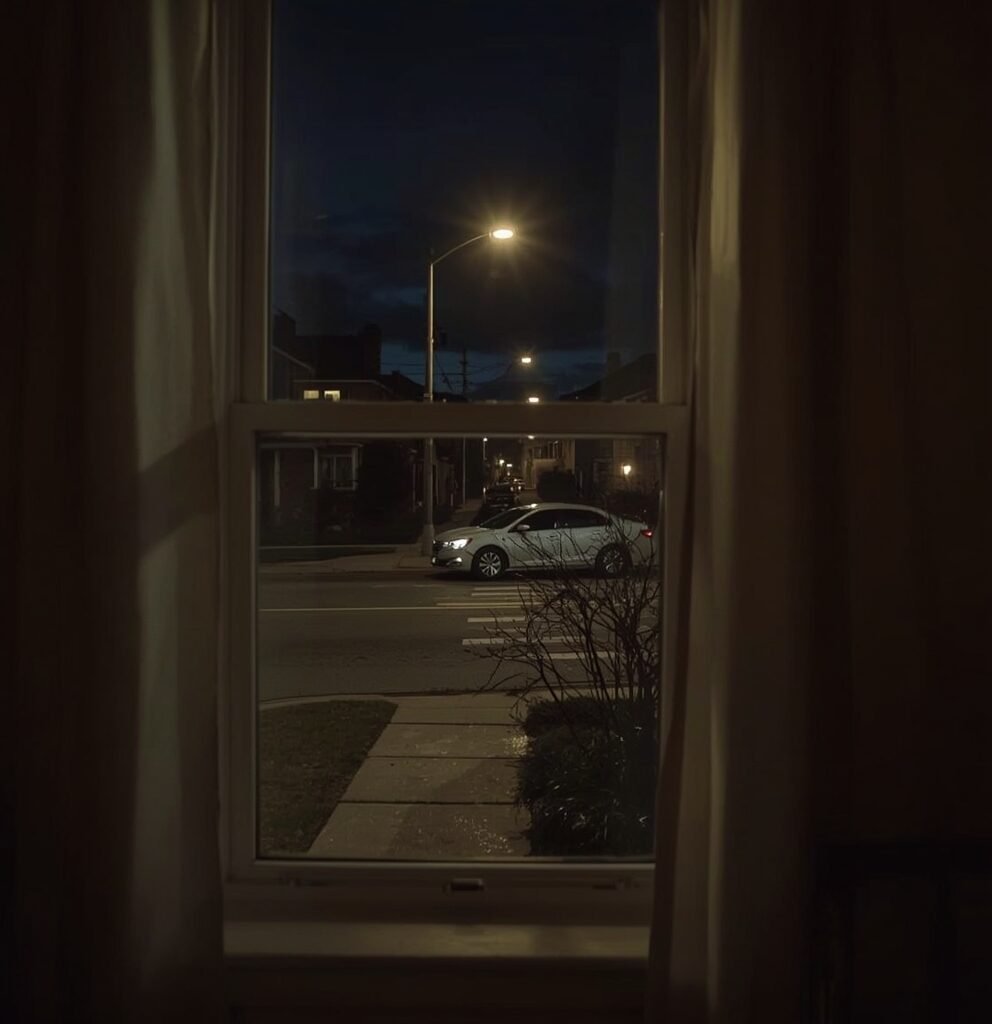
I looked out as best I could. “I don’t see anyone on the sidewalk. One car just drove by, and it’s turning left at the corner.”
“Can you see the license plate?” my mom asked. “They could have done it.”
“Done what?” Nathan asked.
“Maybe thrown a rock through the downstairs window,” my mom said.
“But honey, why?” my dad asked. “How would anyone know that we and the neighbors downstairs are Jewish?”
“They could have seen holiday candles,” my mom said. “Or maybe the mezuzah. . .”
“Listen,” Nathan interjected. “Antisemitism is real, but you have to remember that we still are very fortunate. Even with everything that’s happened, here in the United States Jews are safer than almost anywhere else in the world.”
“Not for long,” my dad said. “That’s why I’m getting a concealed carry permit.”
“Are you really?” my sister exclaimed. He had told me a few weeks ago. The idea made me uncomfortable, but I knew my dad would be responsible.
“We have to check downstairs, make sure they’re alright,” my mom said.
“I’ll call, do you have the number?” my sister asked.
My mom shook her head. “I don’t think they’ll talk on the telephone when it’s a holiday.”
“So I’ll go down,” my sister replied. She got up quickly and went out the front door.
Everyone was silent for a moment. There was no more noise outside, and no sound of anything else breaking.
“I just don’t understand,” Shalzed said again. “Why would anyone attack a Jewish family celebration?”
“Don’t you know what just happened in Michigan?” my dad said. “A man attacked a synagogue with his car because he’s upset about the war in Lebanon.”
“Don’t forget the Tree of Life shooting in Pittsburgh,” I added. “And there have been plenty more synagogue shootings since.”
Nora suddenly spoke up. “That’s why I’ve been pleading with you all to stop wearing anything that makes you look Jewish,” she said. “It’s not worth the risk. Personally, I don’t even want to go to the Jewish Community Center, even for exercise.”
My dad cleared his throat. “I’m sorry, Nora, that’s letting them win. We cannot live in fear. There’s no reason we shouldn’t be proud of our identity.”
“Even if you say you hate Israel, it won’t help,” my mother added. “A Jew is a Jew and they hate us all.”
There was another moment of silence, and then we heard my sister’s voice in the stairway. A moment later she came back.
“Everyone is fine,” she said. “Something made of glass fell on their patio. It looks like it was some sort of pitcher or something like that.”
“A glass pitcher on their patio?” my dad asked.
“They’re going to clean it up after the seder,” my sister said.
My dad stood up. “Just a minute, I want to check something,” he said as he went into the kitchen.
“Who would throw a glass pitcher?” my mom asked.
“Not onto the patio,” Nathan said. “That would be impossible.”
I thought about that, and he was probably right.
My dad returned, his shoulders slumped forward and looking down at the ground. “I think I know what happened,” he said.
“What?” my mom asked.
“Well, when I went to bring more charoset I also hid the afikomen,” he said. Maya stared, probably realizing something must be really wrong for him to admit to hiding the afikomen. “I put it on the porch, under the pitcher. . .”
“Do you mean the pitcher that used to belong to your grandmother?” my mom asked.
My dad nodded. “I guess when I put the matzah under it, it was on a bit of an angle. Then maybe there was wind or something and. . .”
“So now it’s gone?” my mom interrupted again.
My dad shrugged. “Well, it’s not there anymore. And our porch is right above the patio downstairs.”
“Why would anyone have even left that pitcher on the ledge?” my mom demanded.
“Well there was nowhere else to put it,” my sister said. “The kitchen is full, and everything else on the porch is chametz.”
“It’s okay,” my dad said. “We still have plenty of other utensils from my grandmother, and that’s the way it is. Things break every once in a while.”
My mom took a deep breath. “Well thank goodness it wasn’t anything worse,” she said, sitting back down at her place. “Let’s just continue with the seder.”
“Does everyone have a piece of matzah?” my dad asked.
Shalzed picked up the little piece on his plate. “But why would anyone hold Jewish people here responsible for violence far away?” he asked. “It makes no sense.”
No one answered for a moment. Then my sister said, “Welcome to planet Earth,” rather rudely.
Questions for Discussion:
- If you were sitting at the table, what would you have said during the conversation?
- Some characters want to change their behavior to stay safe, such as by not wearing Jewish symbols. Others say that would mean “letting them win.” How do we balance safety with living openly as who they are?
- Why does Shalzed find the situation confusing? What assumptions about fairness or responsibility does he seem to have that people on Earth sometimes do not follow?