Spain apologized for 1521. Shalzed is upset. What if Passover is next?
Why should anyone today answer for what happened long ago?
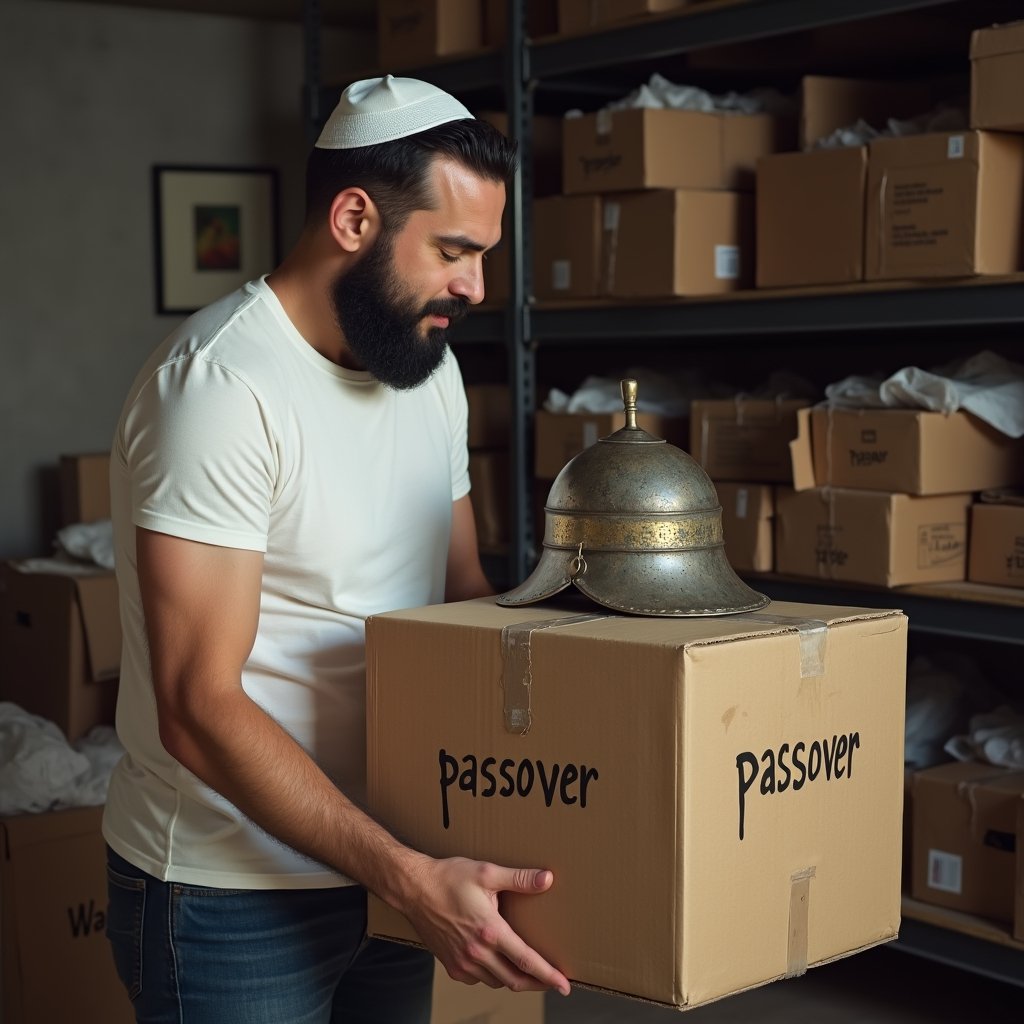
Today Shalzed asks why Spain was made to apologize for events that took place in 1521. It seemed unrelated- until Simon wondered whether, by that logic, Jewish people might have to apologize for the ten plagues too.
Spain apologized for 1521. Shalzed is upset. What if Passover is next?
I was at my parents’ house, because my mom and dad needed my help to get the heavy boxes of Passover stuff from the basement up to the kitchen. My mom had just sent me down to get the haggadot when Shalzed called and asked me a question I didn’t know how to answer. “The King of Spain just apologized for something a Spanish explorer named Hernan Cortez did in 1521,” he asked. “I can’t understand why.”
I pulled out my phone. “Mexico’s been pushing for that for years,” I said. “The Spanish destroyed Tenochtitlan to make it their capital. Everyone knows colonialism meant horrible crimes.”
The Passover boxes swayed in front of me.
“But what does that have to do with current day Spain?” Shalzed asked.
It felt like the basement was moving, and the floor seemed to tilt. Then it was gone. A moment later, Shalzed and I were in the midst of a large group of people walking along a scenic road through some mountains, with a heavy contingent of Mexican police along the side. I felt someone push into me from behind, and so I started to walk along.
“Señora Presidenta,” Shalzed called. A woman leading the group turned. She was wearing an elegant burgundy dress, with elaborate, elegantly embroidered flowers on the front. I had seen the news enough to recognize her as Mexican President Claudia Sheinbaum. “Why do you want Spain to apologize for things that happened hundreds of years ago? The people who did it aren’t even alive.”
Shalzed quickened his pace to catch up with her, and I hurried to stay with him. Sheinbaum frowned. “Are you accompanying us as part of the honour guard?” she asked. Shalzed’s bright orange spacesuit looked nothing like the Mexican men accompanying her, wearing white shirts with colorful embroidery and large sombreros.
“No,” I said quickly. I was wearing jeans and a Camp Ramah staff T-shirt, so maybe not quite as much as Shalzed, but I also stood out.
“No one now living in Spain has anything to do with what happened five hundred years ago,” Shalzed said. “Do you believe that just by being born Spaniards they inherited guilt?”
Sheinbaum turned towards him without slowing down. “Not guilt, but responsibility,” she said. “Countries evolve, while laws, language, and identity all continue on.”
“So Spanish citizens are responsible for Hernan Cortez, because he is one of their ancestors?” Shalzed asked.
“For centuries the suffering of indigenous Mexicans was denied or minimized,” Sheinbaum said. “An apology says it was real, and it mattered.”
“How? It’s just words that won’t make any practical difference,” Shalzed said.
A man wearing an elegant, black Mexican shirt with red embroidery running down the right side who had been walking with Sheinbaum moved closer. “For the King of Spain to finally apologize acknowledges that their suffering was a real injustice, after so many years of being pushed aside,” he said.
We were walking quickly, and I saw up ahead a small plaza with a giant, black statue of a seated man with a stern expression above the crowd. People gathered at the edges of the square, with a large group of reporters waiting in front of a podium.
“What is this?” I asked.
President Sheinbaum, the man in the black shirt next to her, and a number of other people around us looked at me suspiciously, and I realized I had said something stupid. “The President is about to lay a wreath for Benito Juarez,” the man in the black shirt said. “If you’re not part of the honor guard, then you shouldn’t be here.”
“How can you hold people responsible for things they didn’t do?” Shalzed asked. “Let alone things done by their ancestors?”
She clicked her tongue. “It’s not about saying present day Spaniards are guilty,” she said. “It’s that this apology is a step towards rewriting history so it’s more balanced. So we finally include the perspectives of those who were colonized, too.”
“If indigenous people are suffering today,” Shalzed said, “wouldn’t it be better to focus on what you can change now, rather than worrying about who in the past was to blame?”
We were now at the edge of the square, and everyone slowed. Some military officials who had been waiting started to come over to greet Sheinbaum. “We need both,” she told Shalzed. “Without addressing the past, we will never be able to build a solid future.” She turned and started to shake the men’s hands.
“If you don’t have a part in the ceremony, you need to go behind that ribbon,” the man in the black shirt told us. A policeman stepped to his side.
“If people are held responsible for crimes of their ancestors, when does it ever end?” Shalzed asked. “Every nation and ethnic group throughout history is guilty of something.”
The man glanced at Sheinbaum. She turned to us, signaling the officers to wait. “Gestures matter,” she said. “Owning up to the past does not divide us, it makes us stronger.” Then she accompanied the officers to the center of the square.
“It’s part of what we’re doing here,” the man in the black shirt added. “Benito Juarez was Zapotec, and he overcame tremendous discrimination to become President of Mexico. Laying a wreath on his birthday acknowledges the unfair hurdles indigenous people face.”
The policeman raised his eyebrows and gestured towards the ribbon. I opened my mouth to respond- but he wasn’t looking at us anymore. The sounds of the square softened, like they were moving farther away.
The crowd and the statue dissolved into nothing, and then I was back in the basement of my parents’ house. Shalzed wasn’t with me, and my mom was calling my name. “I’ll be right up,” I yelled. I had no idea how long I had been gone, and I hoped she hadn’t worried. My stomach was churning. I took a deep breath, and for a moment I leaned against the wall.
When I started to feel better, I began putting all the Haggadot in the box. The ones that my dad liked had a picture of the splitting of the sea on the cover. If we are all supposed to be responsible for our ancestors, I wondered how far it goes. Should Egypt apologize for enslaving the Israelites? Should Israel apologize for the plagues?
“Is everything okay down there?” My mom called.
“Coming,” I said back.
History matters. But if responsibility never ends, conflict will never end either.
Subscribe to Receive Shalzed's adventures in your inbox
One story or question each Friday in your inbox
Glad You're On Board
You'll receive an email each Friday, one week a story, a question the next.
All of Shalzed's emails are sent via Substack.
Sources:
For more information on Spain’s apology from Reuters, click here.
For detail on Claudia Shenbaum’s reaction from the BBC, click here.