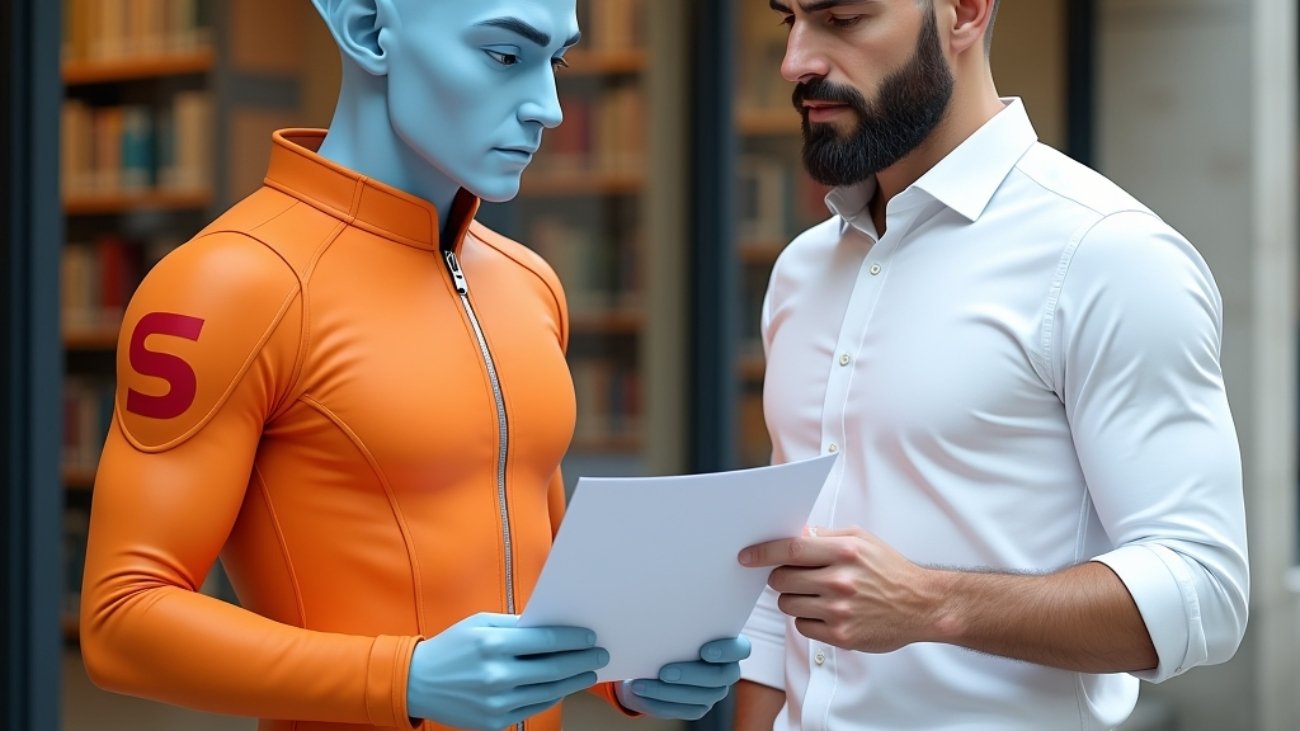
shalzed and simon looking at the megillah outside the library

Did It Work? Purim’s Hardest Question

Did It Work? Purim’s Hardest Question

Survival brings power. Then what?
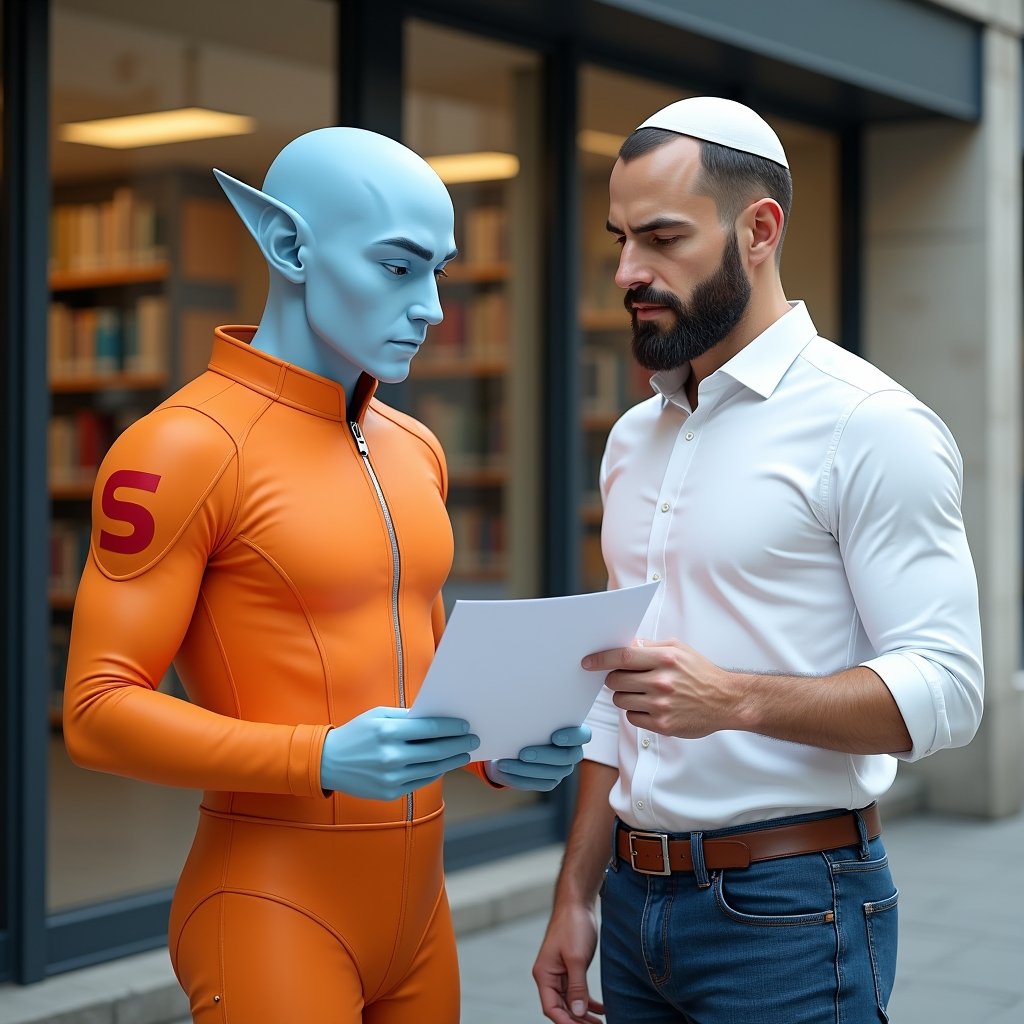
Shalzed and Simon look at the copies of megillah pages Simon is practicing from

Shalzed hears the story of Purim — and gets stuck on the ending. Yes, the Jews are saved. Yes, Haman’s plot fails. But then comes the part we don’t always linger on. Shalzed has some questions. . . 

Did It Work? Purim’s Hardest Question

It was Thursday night, and in addition to preparing a salad to bring with for Shabbat dinner, I had to practice the chapters of the megillah that I had committed to read on Purim. But Shalzed said he really wanted to take out more books on human rights but couldn’t without my card, so I agreed to meet him at the library.

When I got there he was waiting in the lobby, absorbed in a book titled The Last Utopia: Human Rights in History. I tapped him on the shoulder and he said he was ready to check out, and a few minutes later we were out the door.

“I’m sorry to be in such a rush,” I told him. “But I have to practice my megillah reading tonight.”

“Your what?” Shalzed asked.

I smiled. “Next week is Purim. We read the book of Esther.”

“You already know how to read, so why do you have to practice?”

I couldn’t help but laugh. “Yes, but the book of Esther is written on a Hebrew scroll. To chant it, you have to memorize all the cantillation marks along with all the vowels.”

He didn’t understand, so I stopped at a bench and showed him the copies of the Hebrew pages I had taken along in my backpack. Shalzed examined them carefully. “What’s this?” he asked, pointing to the section where the lines look different. There was only one word on the left, one on the right, and a blank space in the middle.

“It’s the ten sons of Haman,” I told him. “That’s the way their names are written.”

“Why?” he asked.

I shrugged. “Because they were all hanged at the same time. The tradition is to read all the names in one breath.”

“Hanged?” Shalzed looked aghast.

“Because Haman tried to destroy the Jewish people,” I explained.

“So I see you’re getting ready.” I recognized Rabbi Meyer’s voice behind me and turned around.

“I’ll be all set,” I said as we shook hands. Rabbi Meyer was the rabbi of Congregation Anshei Shalom. I went there most Shabbats, and that was where I would be reading the megillah.

“Why should Haman’s sons be hanged for a crime committed by their father?” Shalzed asked.

Rabbi Meyer gave him a funny look. I told him that Shalzed was a friend from far away who was interested in learning more about human rights. “It says in the Talmud that Haman’s sons had key parts in the plot,” Rabbi Meyer said. “There are many aspects of the Purim story that at first appear problematic, but the Talmud always provides an explanation.”

“Like for all the killing at the end?” I asked.

“What killing?” Shalzed added, looking confused.

Rabbi Meyer smiled. “In the last section of the megillah, the Jews turned the tables and were able to kill all those who had been planning to harm them. But the megillah uses the word ‘enemies’ to describe those the Jews killed, to emphasize that they weren’t innocent bystanders.”

“But just because someone is an enemy, that doesn’t mean it’s okay to kill them,” Shalzed said.

“Rabbi Meyer, I’m so glad to see you, I have to ask you a question,” a woman exiting the library said. I didn’t know her name, but I thought I recognized her from shul.

“Is it urgent? I have to pick up a book for my son, then get back to shul for ma’ariv.” He looked at me when he said that, but I didn’t respond. I had already told him that I wasn’t willing to go each evening, even though they usually needed help with a minyan.

“It’s about Shifra,” the woman said.

Rabbi Meyer nodded and they stepped to the side.

“See you on Shabbos,” I told him. Then I turned to Shalzed. “The megillah tells the story of how Haman rose to power and convinced the king to allow him to slaughter all the Jewish people.” I gestured to the papers I was practicing from. “The Jews were saved because at the last moment Mordechai and Esther changed the king’s mind. It’s only natural that then they wanted some revenge.”

Shalzed wrinkled his nose. “What about international agreements?” he asked.

I couldn’t help but laugh again. “The Purim story took place long ago, way before any of that,” I said.

“So long ago on Earth, a king could just decide to wipe out an entire people?”

“Pretty much,” I said. “That’s why at the end of the story the Jews did so much killing. They had to use their moment in power to create fear so no one would try to become another Haman.”

Shalzed considered. “Did it work?” he asked.

This caught me by surprise. “What do you mean?”

“Did killing lots of people prevent future plots against the Jews?”

I shrugged. I had never really thought about that. “I suppose,” I told him. “At the end of the megillah the Jewish people are secure.”

“And what about after?”

I thought for a moment. “I don’t know,” I said. “That’s when the Purim story ends, so it doesn’t say.”

Shalzed seemed surprised. “But history continues.”

A teenager on a skateboard passed by, staring at Shalzed. “Yo, Smurf!” he called. Then he picked up his skateboard and went into a store called ‘Cloud Nine Vape Shop’ right next to the library.

It made me angry, but Shalzed seemed unaffected. “What’s a Smurf?” he asked.

“Never mind,” I told him. “It’s just a stupid kid on a skateboard,” I said, more sharply than I had meant to. I put the papers back in my backpack and slung it over my shoulder. “It probably kept them safe at least for a while. As long as Mordechai and Esther were still in the palace and the same king was on the throne.”

“You said the Purim story happened a long time ago, and that’s why they had to rely on making their enemies afraid. What about today?” Shalzed asked. “If it happened today, would Mordechai and Esther still have tried to instill fear, or would they have felt safer because of human rights and the international system?”

I shrugged again.

Shalzed seemed surprised. “If even now people need to rely on fear to feel safe, will things ever be different?”

Subscribe to Receive Shalzed's adventures in your inbox

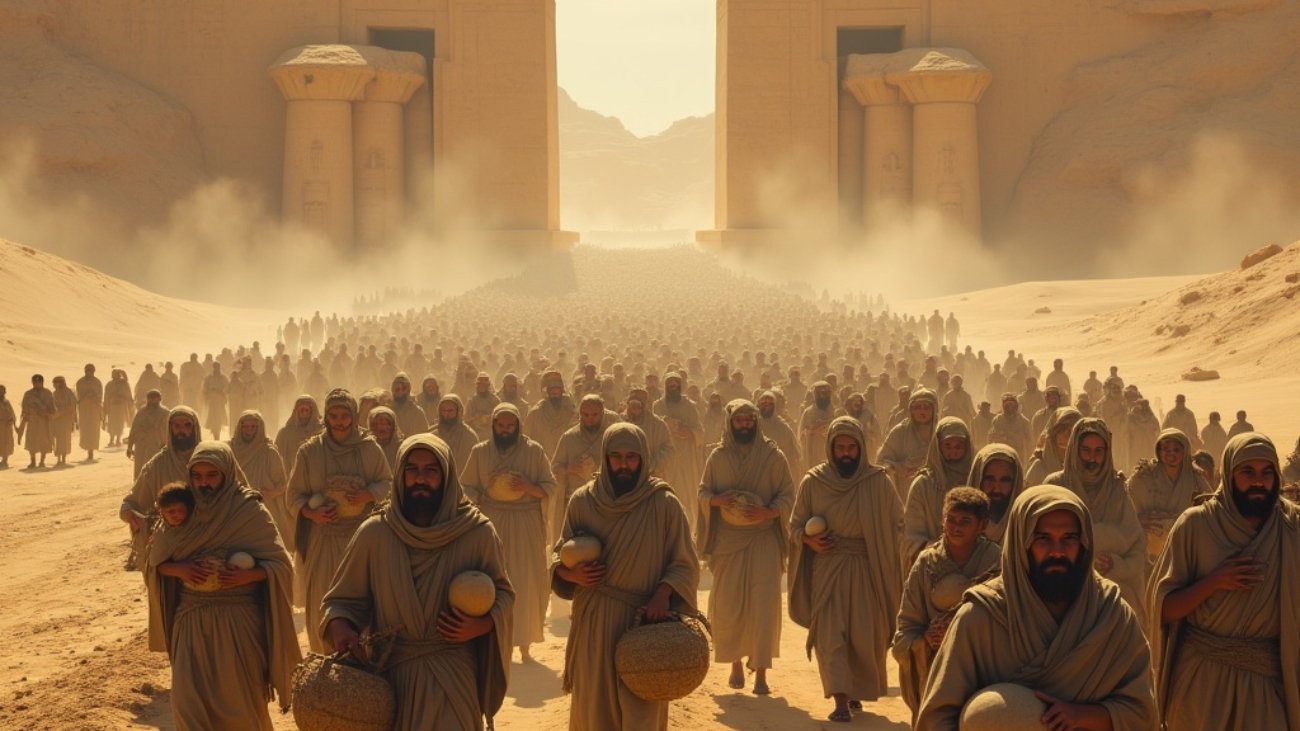
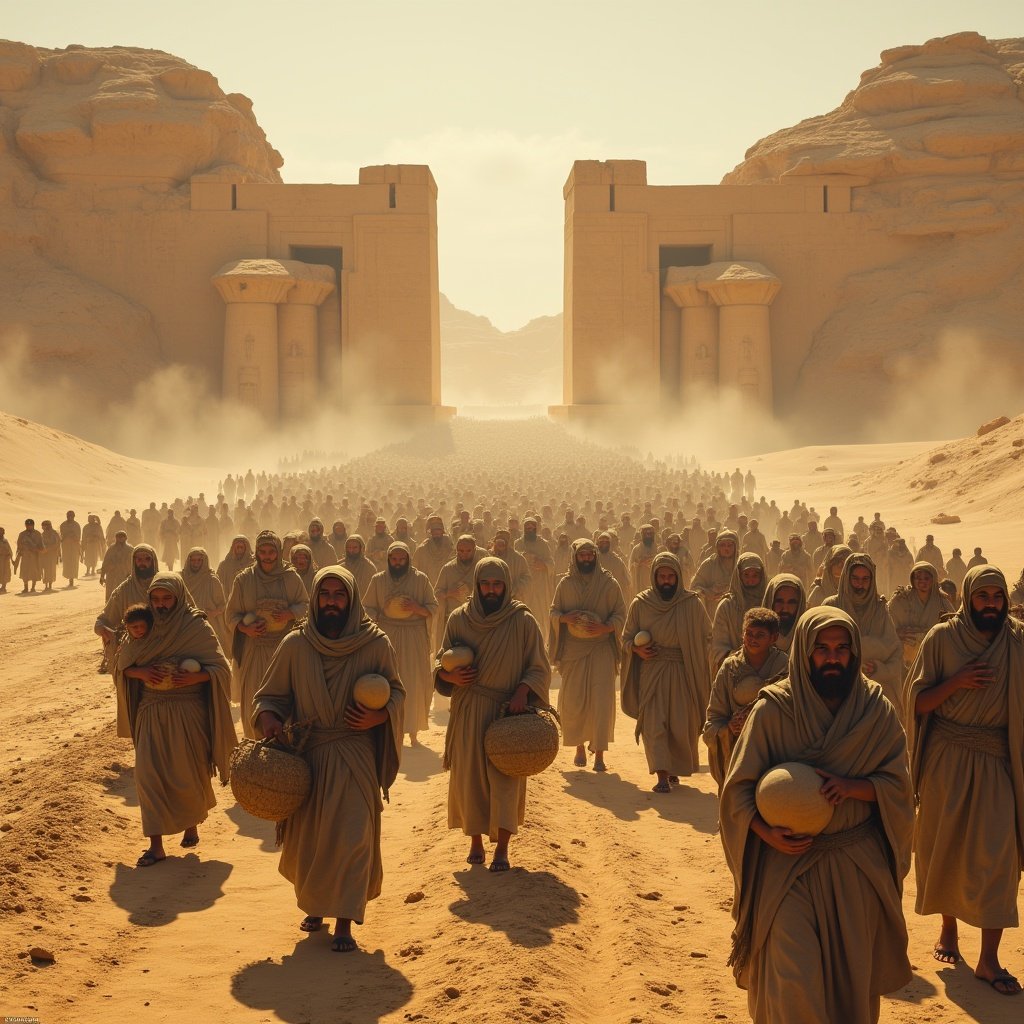
refugees coming to egypt

Refugees: If Everyone Came To Egypt

Refugees: If Everyone Came to Egypt. . .

Could Pharoah have told Jacob and Family No?

Refugees fleeing famine in Canaan heading to Egypt

Refugees: If Everyone Came to Egypt. . .

My dad had everyone take a turn reading a section of the Haggadah. Maya read her part very well, including all the big words. My mom and dad said how impressed they were. But I think she realized that they were just having trouble coming to grips with the fact she was already in 7th grade and growing up fast.

When it was Shalzed’s turn I showed him the place. My mom gave him a funny look, like she wasn’t sure if this was really appropriate, but didn’t say anything. Then Shalzed began in his super deep voice, “Jacob went down to Egypt, forced to go according to the Torah. He only went to dwell in Egypt temporarily.”

Nora made a snort. “That’s just like what the people from Haiti and Venezuela and all the rest of them say,” she interrupted. “They say they’re just coming to the U.S. for a short time, but then they figure out ways to stay longer.”

My sister looked upset. “You can’t possibly blame them for trying to escape what they’ve been through,” she said, glaring at Nora.

My mom and sister always clashed with Nora about politics, and I was afraid they’d start to argue now at the seder, too. “Well, it’s lucky Pharoah let Jacob stay,” I said, trying to be light-hearted. “Otherwise we wouldn’t all be here right now.”

Shalzed wrinkled his forehead. “Pharaoh was obviously required to allow Jacob and his family to resettle. If he refused, they might have died.”

“Is that the way it works wherever you’re from?” Nora asked in a nasty voice. I put a hand on Shalzed’s shoulder because I didn’t want him to get upset either. “What about the Egyptians? If everyone from everywhere came to settle in Egypt, they might have run out of food for themselves, too, and that way everyone would perish.”

“I don’t think any Americans will die if we let in refugees,” I told Nora.

“I’m only saying that countries need to be realistic about what they can handle,” she said back.

Maya made a loud sigh, and my sister chimed in. “It would be really great if we could have just one seder without arguing,” she said

“It’s not arguing,” my dad said. He often came to Nora’s defense in a way that aggravated my mother. “Nora is simply pointing out that accepting refugees can be a significant burden, that’s all.”

My mother seemed annoyed, and she was the kind of person who, when something bothered her, wasn’t going to be quiet. “I think one of the messages of the holiday is that we were once refugees ourselves, and so we should be kind to others in that same situation,” she said.

My brother-in-law Nathan cleared his throat. “It’s getting late,” he said.

I point to the place in Shalzed’s Haggadah. “Why don’t you keep reading?” I told him.

He frowned as everyone stared expectantly at him, then finished the section quoting the verse in which Jacob pleads to be able to stay in Egypt because of the famine.

“You know that the people coming into the U.S. aren’t actually fleeing famine,” Nora said as soon as he was finished. “They’re just poor and think in the U.S. they can have a better standard of living.”

“Some of them are also victims of gangs or domestic violence,” my sister said. “Or they are fleeing from a hurricane or some other natural disaster.”

“I think we need to get to dinner before eleven o’clock,” Nathan said.

“It is currently just 8:30 post meridium in your local time zone,” Shalzed replied.

Nathan chuckled. “I think that was just his way of saying some of us are hungry,” I said.

“Maybe where you’re from, you all just eat in the middle of the night,” Nora said to Shalzed.

“There are various patterns of eating and sleeping due to the great variety in the number of hours of light,” Shalzed began.

“Maybe you can tell us later,” my father interrupted.

I was actually quite curious, because Shalzed almost never revealed anything about himself, his home, or  his technology. Nora could be very persistent, so I wondered if maybe we both asked him questions when we got to the meal, we’d be able to make him talk.

Questions for Discussion:

  1. Does the Torah story of Jacob in Egypt suggest that nations have an obligation to accept refugees? Or is it okay for a country to put its own economic needs or preserving its own culture first?
  2. Does it matter whether refugees are fleeing a natural disaster, such as Jacob and the famine in Canaan, or a man-made problem such as violence, war, or persecution? Should Jewish history affect how we answer that question?
Shalzed at the Seder Table

The Fifth Question: Modern Slavery

The Fifth Question: Modern Slavery

If God hadn't redeemed us, would we still be slaves? What about the Universal Declaration of Human Rights?

Shalzed at the seder table

The Fifth Question: Modern Slavery

I was nervous my family wouldn’t accept Shalzed. We always invited guests to our seders, but being from another planet made Shalzed a little bit- different. He had come to Earth to learn about human rights, but to my surprise when I told him about Passover he wanted to join us too.

My dad greeted him with a handshake. When my mother said hello, she mumbled loud enough for me and my dad to hear that Shalzed was nice, but maybe next year I’d come with a girlfriend. I wished she would stop pushing.

Shalzed was enchanted by the charsoset. My mom gave him a spoonful to try, and I think he would have eaten the whole thing if she hadn’t stopped. After all, we needed it for the seder. Then everyone sat down around the table and we were ready to begin.

My dad said kiddush. Then he got mad at Maya, my niece, because she had her phone out. Maya ran off to the bathroom, and we had to wait for my sister to convince her to come back for Mah Nishanta. Then my dad read from the Haggadah in his deep, serious voice that we were once slaves to Pharoah in Egypt, and if God had not redeemed us then we would be slaves there still.

“Not true,” Shalzed said all of a sudden. “Slavery was done away with by the Universal Declaration of Human Rights.”

My dad stared. He always encouraged us to ask questions at the seder, but usually we didn’t.

My sister waved her hand. “Everyone working at McDonalds or making minimum wage is a slave,” she said. She had a ‘Fight for $15’ bumper sticker on her car.

“That’s not true,” my dad said. “Slavery isn’t just being underpaid, it’s when someone can’t leave.”

“And if you leave your job you can’t afford rent? Or groceries?” my sister asked.  

“When do we eat?” Maya interrupted. I had a feeling she was again sneaking peeks at her phone.

“If you’re hungry there are carrot and celery sticks on the table,” my mom said sternly. I remember her telling me that when I was little, too. I gave Maya a sympathetic smile.

Nathan, my sister’s husband, was usually very quiet. But every once in a while when there was something he felt strongly about he spoke up. “The minerals in every single cell phone battery were most likely dug up by kids Maya’s age who aren’t ever even allowed to leave the mine,” he said.

“And don’t think it’s only Africa,” my sister added. “A lot of farms in the U.S. use illegal workers who can’t leave their jobs because their boss has their passport, or if they quit they’d face deportation.”

My cousin Nora made a snort. The only Jewish thing she did was come to a seder, and I’m pretty sure it was only because my mom insisted. “I think if we would continue reading those little booklets you have, I forget what you call them, everything would be clear. Doesn’t it explain all this later on?”

Nathan and my sister looked back at their haggadahs, expecting my dad to ask one of them to read the next page. But Shalzed spoke. “I don’t understand. How can there still be slavery of any form on Earth, after all countries agreed to ban it?”

“There are new kinds of slavery,” my sister said.

My father, noticing Nora’s scowl and that Maya had her head down, looking at something under the table, said that we needed to continue. He asked Nora to read the wise son, and then Maya complained that she was always the wicked one.

Shalzed seemed deep in thought. “Just because something is in a declaration, that doesn’t mean it’s true in the real world,” I whispered.

He looked at me. “Why not?” he whispered back.

My dad glared because Maya was finally reading what the wicked son says, and we were supposed to be paying attention. I looked back into my Haggadah, and Shalzed followed along in his. But I wondered- even if we wouldn’t still be slaves held in chains building storehouses for Pharoah, could we have become slaves of some other type?

Questions for Discussion:

  1. Can coercion, hard working conditions, and low wages combine to create conditions that are similar to slavery?
  2. Nathan says minerals in cell phone batteries are produced by slave labor. Are we responsible for checking to make sure products we buy are not made this way?
shalzed end of war conference

Do Courts Make Wars Last Longer?

Do Courts Make Wars Last Longer?

Shalzed attends a conference on ‘The End of War’

Shalzed examines White chocolate matcha energy bites outside a conference on 'The End of War'

Can international courts help end wars — or do they unintentionally prolong them? Shalzed goes looking for answers. . . and also tries some new cookies at a conference.

Do Courts Make Wars Last Longer?

Shalzed heard about an academic conference titled “The End of War.” Personally, I doubted whether a bunch of college professors really had secrets that could help save the galaxy, but Shalzed was adamant about going. Since it was over President’s day weekend when I had off of school, I agreed.

When we arrived Shalzed was immediately drawn to a platter of round, green cookies next to the coffee. “Are these regenerative nutrient capsules to heal all who have been wounded?” he asked.

I laughed. “No,” I told him. I pointed to a small sign that said, ‘White chocolate matcha energy bites.’ He ate five, and then I steered him towards the hall where the sessions were because  people around the coffee table were starting to give him dirty looks.

There were some introductory speeches, and then a session titled ‘Climate Change as a Conflict Multiplier’ in which panelists took turns explaining how much worse today’s problems were going to become.

“They aren’t giving ways to make peace at all,” Shalzed whispered. I shrugged.

The next session was two women from different universities speaking about the role of international courts in ending wars. One was named Laurie Blank, and the other Daphné Richemond-Barak. Shalzed seemed upset as they explained why courts were of limited use in making peace and could actually end up making wars longer. When it was over, we went to the front because Shalzed had some questions.

As soon as Laurie got free from talking with someone else, Shalzed asked, “I don’t understand. Isn’t anything that holds people accountable a step in the right direction?”

“You’d think so,” she replied. “But remember that peace agreements are made by leaders. One of our key findings is that, ironically, leaders are usually very safe while a war is going on. It’s once the fighting stops that leaders personally are likely to face extreme danger.”

“What do you mean?” I asked. To me that sounded confusing.

She smiled. “When a war ends, often investigators are finally able to get access and document atrocities. That can lead to leaders being indicted. And if there is also a change of government, leaders might lose their immunity or ability to shield themselves from prosecution.”

Shalzed looked aghast. “Do you mean someone might prolong a war, causing suffering for millions, just for their own self-interest?” he asked.

That sounded all too real to me. “According to our research, that happens all the time,” Laurie said.

“Not being able to offer amnesty is also another issue,” Daphne added as the man she had been talking to started walking away.

“Amnesty for what?” I asked.

“War crimes, rebellion. . .” she began.

“The issue is that the International Criminal Court in the Hague is not obligated to honor any amnesty agreements, even if they’re offered by a government,” Laurie interrupted. “Militia members may be extra hesitant to lay down their arms since there is no way to offer assurance that the ICC won’t decide to prosecute them in the future.”

Shalzed’s jaw dropped. “But don’t war crimes have to be punished?” he asked.

Laurie pursed her lips. “Sure,” she said. “But our point is that it’s easy to sit safely far away and demand justice, but insisting that a peace agreement allow for prosecuting war crimes may prolong the fighting and suffering that goes with it.”

I didn’t like the way that sounded. “But if everyone knows they’re likely to get amnesty, what’s the point of having courts to prosecute war crimes to begin with?” I asked.

A man who seemed like he was the next presenter approached and signaled to Daphne that he needed to hook up his computer. She and Laurie both got up to go.

“I like the point you made about jurisdiction,” the man said as he took out his laptop.

Laurie smiled. “Thank you for attending our session,” she replied.

“I didn’t understand that either,” Shalzed said. “If international courts don’t have jurisdiction over conflicts that lead to wars, then what is their point?” he asked.

“They do have jurisdiction,” Laurie answered. “But often over only one side. For example, the International Court of Justice only hears disputes between countries. That means if a country is at war with a non-state armed group, the court has jurisdiction over the country only, but not the people it is fighting.”

“That’s why only Israel is on trial at the International Court of Justice, but not Hamas,” I added.

“Exactly,” Daphne replied. “And the International Criminal Court is supposed to have jurisdiction to prosecute all war crimes and crimes against humanity. But it can’t possibly look at everything, so it focuses only on what the prosecutor believes is most serious.

“So they pick and choose?” Shalzed asked.

“They have to. And when the prosecutor decides not to investigate a crime because it doesn’t seem serious enough, victims of those crimes get angry and say it’s not fair,” Daphne said.

The next presenter cleared his throat and glanced at the room, which was rapidly filling. Daphne took another step to go, but then a woman came and asked if she would autograph her book, titled Underground Warfare. People were still filing in, so she took a pen from purse. As she did so, the woman remarked that after listening to the talk she was starting to wonder if maybe we’d be better off without any international courts at all.

“Absolutely not,” Daphne said as she signed inside the front cover. “International courts have vital functions. We’re just pointing out that ending a war is a political decision, shaped by military, diplomatic, and economic conditions, not courts. That’s all.”

“And courts can easily complicate the peacemaking process rather than help,” Laurie added. “When a court gets involved while a war is still going, the court itself becomes a weapon as well.”

The woman put her signed book in her purse and gestured to the nearly full room. “The next session is titled ‘Hope as policy, peace as process,’ she said. “Everyone will want to come.” She scurried to take the last empty seat in the first row.

“Judges can at least document facts,” Shalzed said.

Daphne put her pen back in her purse and nodded. “That’s true, but courts do that best after a war is finished. While a war is still going on, they have limited ability to get full information, and are prone to being misled by propaganda from one or both of the sides.”

“Especially if not all parties to the conflict agree to cooperate,” Laurie added. Laurie and Daphne headed towards the stairs, and I sort of hoped Shalzed would follow their lead and decide to skip the next session. But instead, he found us two empty seats.

“I’m excited about this next speaker,” Shalzed said as we took our places.

I wrinkled my forehead. “Why?” I asked.

“If peace is a process, it must be about to finish.”

The man in front of us laughed and turned around. “Peace is a never-ending process,” he said.

Shalzed frowned. “Then does war ever end?”

Subscribe to Receive Shalzed's adventures in your inbox

Source: The ideas in this piece are taken from a recent series of articles on the website Just Security, asking if there is a role for international courts in ending wars. Link here.  

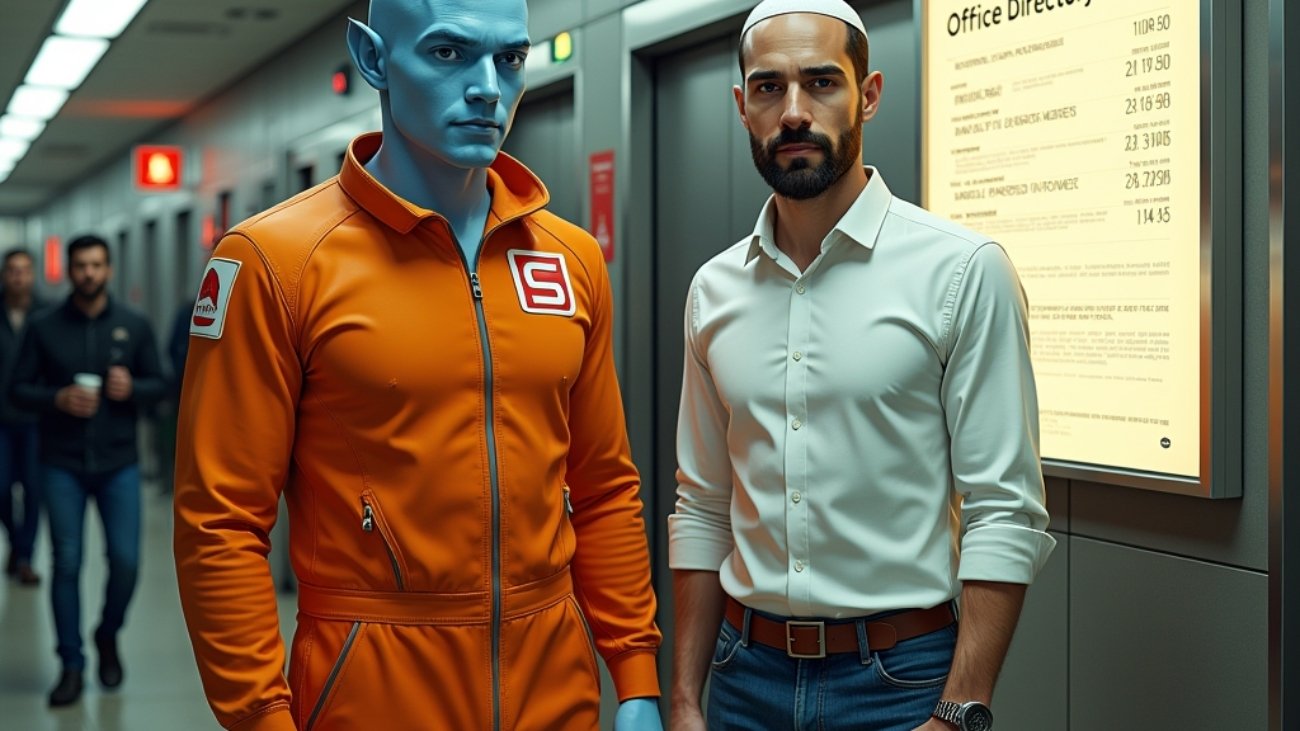
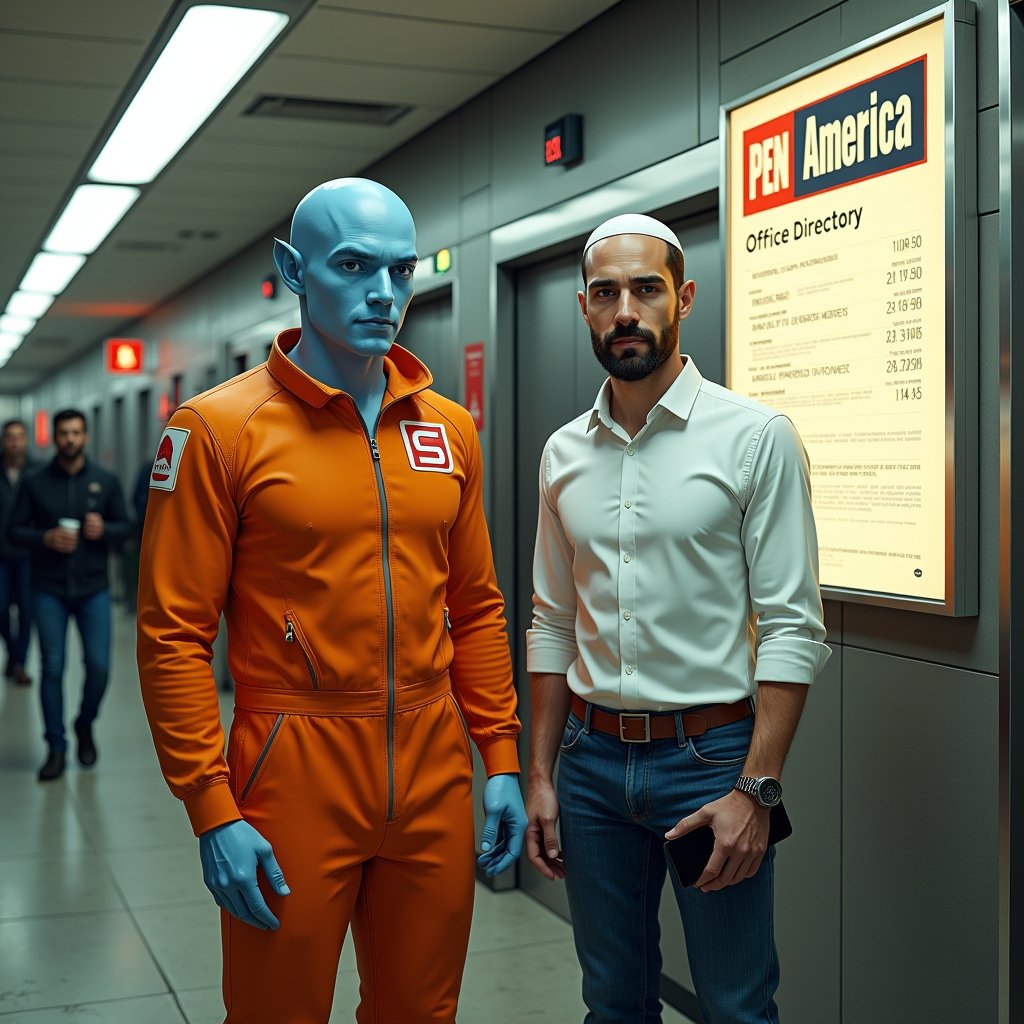
shalzed and simon at pen america office

Free Speech, With an Exception

Free Speech, With an Exception

Shalzed Visits PEN America

Shalzed and Simon in the lobby of the Equitable Building in New York City

An Israeli comedian was blocked from performing in New York and Los Angeles by a throng of protesters. Sounds like something free speech advocates should be up in arms about, right? This week Shalzed visits the free speech advocacy organization PEN America to find out.

Free Speech, With an Exception

As I locked my bike outside the library, I remembered the time I first met Shalzed. He had been trying to leave with a book without checking out. Then I saw him right on the nearby corner of Main and 3rd Street, walking towards me.

“A comedian wasn’t allowed to perform because of protests,” he said.

I finished scrambling the dials on my lock and stood up to face him. “Let me take a random guess- the comedian was Israeli.”

“How did you know?” Shalzed asked in surprise.

I typed into my phone ‘Israel comedian cancel’ and quickly found the information. “His name is Guy Hochman. They cancelled on him once in New York and once in Los Angeles,” I said. “Because of anti-Israel protests.”

“But doesn’t that violate his freedom of expression?” Shalzed asked.

I noticed a link to a statement from Pen America opposing the cancellations. “Of course it does,” I told Shalzed. “And one of the largest free speech organizations in America says so too.”

Suddenly we were in the black tunnel, and a moment later in the lobby of the Equitable Building in the financial district of Manhattan. I saw right away on the list of tenants that PEN was on the 26th floor.

Mr. Friedman,” Shalzed called to a bald, middle-aged man wearing a blue suit jacket and slacks, carrying a briefcase and coffee cup as he headed towards the elevator. “Can you explain why an Israeli comedian was not allowed to perform?”

Friedman stopped and sighed. “I understand what you’re referring to, and it’s a very sensitive situation.”

“Why?” Shalzed asked. “Isn’t everyone entitled to freedom of expression?”

Friedman shook his head. “Free speech protects against government censorship, not from the consequences of oppressive statements an individual has chosen to make or from private venues deciding not to host him.”

“Oppressive statements?” I asked.

“The Los Angeles venue asked him to sign a document condemning Israel for genocide, rape, starving, and torturing Palestinian civilians, and he refused,” Friedman said. “The cancellation was a direct consequence of that.”

“But that has nothing to do with the content of his performance,” Shalzed said. “And would you require any other performer to denounce their country before stepping on stage?”

“Are Palestinians required to denounce Hamas and the Oct. 7th massacre as a condition for free speech?” I added.

“I’m sorry, I have a meeting,” Friedman said. He turned and pushed the elevator call button.

“Are you saying that even though you oppose censorship, you’re still okay with venues cancelling someone based on their nationality?”

Friedman turned back around. “It’s not his nationality,” he said. “It’s accountability for him saying he’s proud to be Israeli and to have served in the IDF.”

“Accountability for his choices, or for where he happened to be born?” Shalzed asked.

I wrinkled my forehead. “I thought you oppose the cancellations,” I said.

A man walking by carrying a gym bag stopped by Friedman to say hello. Friedman looked like he wanted him to stick around, but the man said he was in a hurry to get to his new strength and conditioning boot camp. While they talked I pulled out my phone and clicked the PEN link again. The page I saw before had now been replaced. Now there was just a short note: “On further consideration, PEN America has decided to withdraw its previous statement.” My mouth dropped open. As the man with the exercise bag walked away, I turned my phone so Friedman could see it. “Now you think cancelling the shows was okay?”

Friedman glanced towards the indicator above the elevators, which showed one descending past the fourth floor. “Local Palestinian groups told us his performance would have made them feel unsafe.”

“Would you allow a Palestinian performer to be cancelled if a Jewish group said it made them feel unsafe?” I asked.

“Safety means different things when there’s a power imbalance,” Friedman said. “And platforming isn’t neutral. Our mission is to protect artists who are vulnerable or silenced, not public figures who justify oppression.”

The elevator chimed and the doors opened. Friedman moved to the side so several people could exit.

“Why did you at first condemn the cancellation, then change your mind?” I asked.

Friedman shook his head. “Many staff and donors have especially strong feelings about this case. As a small organization, we focus on issues where we can speak with a strong and united voice.”

He stepped into the elevator, quickly pressed a button, and waited for the door to close.

“With Jewish and Israeli writers and artists being cancelled right and left, I’d think this is actually where you ought to focus,” I said as the elevator doors closed.

I turned to Shalzed, who was shaking his head. Then we were back in the black tunnel, and I was once again outside the library. I looked around, but no sign of Shalzed. I wondered whether he was changing his opinion about Earth.

I went into the library and saw the new display in the lobby was a table of banned books. The sign above it read, “Stand With the Banned.” I wondered whether my own library would feature books by Israeli or Jewish authors, or whether it would give in to protests or try to make writers sign statements as a condition for being included, too?

Subscribe to Receive Shalzed's adventures in your inbox

Sources:

Coverage of Pen’s reversal from the Algemeiner

On the L.A. cancellation from AOL

Pen’s revised statement is here

Doctors Without Borders Landing

Who Decides Who’s Neutral:

Can Doctors Without Borders Stay in Gaza?

Shalzed speaks with Doctors Without Borders Emergency Coordinator for Palestine Claire San Felippo

Who Decides Who’s Neutral?

I got a match on Bumble for the first time in two weeks. Her name was Rose, and I really liked her profile. As an ‘opening move question’ she asked, ‘What’s your ideal first date,’ so I responded, ‘Holding hands while sky diving- although that’s definitely not happening on our first date!’ Then I sat in the living room watching NBA highlights, hoping she would reply.

I grabbed my phone as soon as it chimed, but instead of Rose it was Shalzed. “Doctors Without Borders is planning to stop working in Gaza,” he said.

“Okay,” I replied, checking if maybe by chance Rose had also messaged at the same time.

“I can’t understand it,” Shalzed continued. “Israel is just asking basic questions for its own security. How could an organization devoted to helping victims of conflict pick up and leave because of that?”

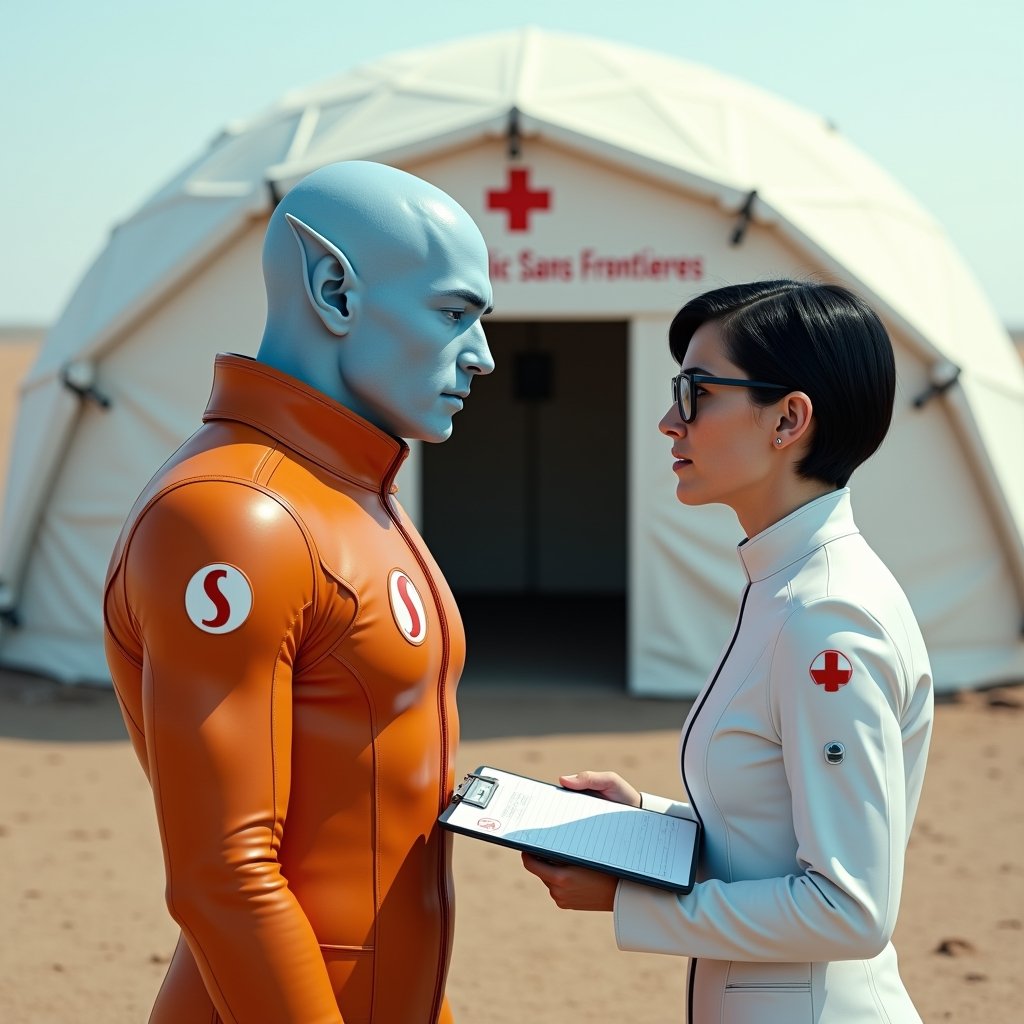
Suddenly, I was in the black tunnel with points of light. I wished I had my phone with me, but it was no longer in my hand. It might not even work wherever Shalzed was taking me. Then I was outside a large, white medical tent. It had rows of folding chairs, filled with people waiting. Children were running and crawling around on the floor. There was a row of smaller tents with examining tables outside. Doctors and nurses wearing white scrubs with the Doctors Without Borders logo hurried about.

Shalzed was next to me, looking around. “Gaza city,” he said. Then he caught site of a woman with short hair and large, round glasses walking towards the road. He strode towards her, and so I followed.

“Excuse me,” Shalzed called. “Can you explain why Doctors Without Borders is threatening to leave?”

The woman turned, and I saw she was wearing an ID that said ‘Claire San Felippo, Emergency Coordinator for Palestine.’

“Are you with Israel?” she asked, looking at Shalzed suspiciously. “If so, you can’t be here.” She put her hands on her hips.

Even though I wasn’t an Israeli citizen, I still felt uncomfortable being in Gaza. I moved closer to Shalzed.

Shalzed shook his head. “I just want to understand why you are threatening to leave rather than complete the simple registration process the Israeli government now requires.”

San Felippo glanced towards the road, where a man holding a clipboard was waiting. “Simple process?” she asked. “They want to know the identities of all our staff, Palestinian and international. What if Israel uses the information to target them? Do you know how many humanitarian workers have already been killed by the Israeli army?”


“A lot of so-called humanitarian workers are also Hamas,” I told her.

“We would never knowingly employ anyone engaged in military activity,” she shot back.

To my surprise, Shalzed interrupted. “Israel says you have.”

San Felippo shook her head. “It was just a few isolated incidents. We dealt with it right away.”

A woman in her early twenties wearing a badge identifying her as a nurse passed by. “I don’t want you giving my name to the genocide army,” she said.

One of my brothers moved to Haifa and is in IDF reserves, and I have several cousins also in the army. It makes me mad to hear people say that.

“We won’t do anything without your consent,” San Felippo told to the nurse. Then she turned to Shalzed. “That’s what this is really about, Israel is trying to scare away all our employees to force us out.”

“If you go around accusing Israel of genocide, why would you expect its government to cooperate?” I asked San Felippo.

She turned to me. “Bearing witness is one of our key principles, no matter where we work. We see genocide with our own eyes as we struggle to treat the wounded. Our mission requires us to speak up.”

“You can’t see genocide,” I told her. “That’s just your opinion. Israel believes everything it does is necessary in self-defense.”

“Isn’t neutrality one of your core principles also?” Shalzed asked her. “Accusing Israel of genocide, along with calling for boycotts and arms embargoes, hardly seems neutral.”

I heard a siren in the distance. All three of us turned, and I saw what looked like an ambulance approaching.

“Neutrality means we give medical treatment to anyone in need without conditions,” San Felippo said. “But neutrality doesn’t stop us from speaking out about what we are witnessing here on the ground.”

A nurse went to the waiting tent and called a name. A boy who seemed like eight or nine got up. His left foot was in a bandage, and he hopped along by leaning on what looked like a broomstick under his armpit. The siren was getting louder. A man came by, pushing an empty wheelchair towards the road. “Just in case,” he said to San Felippo.

“Do you know what it is?” she asked.

The man shook his head. “Electricity is out, so there’s no internet. I know nothing.”

San Felippo turned to Shalzed as soon as the man passed by. “The security concerns are just lies Israel is using to try to push us out and deny Gaza residents medical care. And if we leave, they know exactly what will happen,” she said.

“Rather than address Israel’s concerns, you’re trying to stir up global outrage about hundreds of thousands of people left without medical care so you can keep doing everything exactly the way you want,” I told her.

“Look at the Red Cross,” Shalzed added. “They don’t go on social media campaigning for embargoes or boycotts, and Israel has never threatened to kick them out.”

“That’s their choice,” San Felippo said. “The Red Cross stays silent in order to preserve access. Our values are different than theirs.”

A Red Crescent ambulance pulled up and several people got out. The driver immediately started arguing with the man who had brought the wheelchair, who was helping an elderly man who was clutching both hands to his chest out the back. They spoke in Arabic, so I couldn’t understand them.

“I’ve got to go,” San Felippo said, starting towards the road. “But just to let you know, in the end we are planning to comply with Israel’s requirements. They’ll probably still try to kick us out anyway.”

The man with the wheelchair smiled when he saw her, and she said something to the driver that seemed to calm him down. Then I was back in the black tunnel, and a moment later in my apartment. It took me a moment to orient myself to being back home. I suddenly felt thankful that I lived in the United States, where we have electricity and health care, rather than Gaza.

My phone chimed. I looked around and Shalzed wasn’t with me, so I thought maybe he was calling. But instead it was a message from Rose. It said, ‘Ha ha. I’d rather donate the money we’d spend on sky diving to an organization that helps people in need, like Doctors Without Borderes. What about you?”

I chuckled. I’m all for helping people in need, but I’d prefer an organization that isn’t so anti-Israel. I wondered whether I should try to explain that to Rose, or if that would end our relationship before it even had a chance to get started.

That's one story- every Friday Shalzed has another

Get the next via Email

Sources:

Israel Tells Doctors Without Borders to End Its Work in Gaza- New York Times article click here.

Text of Israel’s new requirements law, click here.

Israel’s report on Doctors Without Borders non-compliance, click here.

Doctors Without Borders press release protesting Israel’s requirements, click here.

Doctors Without Borders Jan. 24th statement agreeing to comply with Israeli requests, click here.

Shalzed and Simon outside embassy of Belgium

The Passport Belgium Won’t Replace

The Passport Belgium Won’t Replace

Shalzed confronts an embassy that won’t help citizens living in the West Bank

Shalzed and Simon outside embassy of Belgium
Shalzed and Simon outside Cafe Maya, next to Amnesty International Headquarters in London

Belgium recently cut off consular services to Israelis living in what it calls “illegal settlements.”  This week Shalzed and Simon head to the Belgian embassy to ask whether this is principled diplomacy—or discrimination based on where you live.

The Passport Belgium Won’t Replace

After school I got a call from Yehudah, a friend from high school who now teaches at a yeshiva in Gush Etzion. He told me that one of his Belgian students had ruined his passport in the washing machine, and his embassy refused to replace it.

“Why?” I asked. “Doesn’t he have some other ID?”

“It’s because Belgium considers Gush Etzion to be occupied territory.”

I sensed someone behind me and turned. Of course it was Shalzed. I still had no idea how he kept finding me. “One second,” I said into the phone. “I’ll call you back.”

Yehudah seemed surprised but said okay. I think Shalzed sensed something was on my mind, so I told him what Yehudah and I had been talking about. “Can an embassy do that?” Shalzed said. “Refuse their own citizens?”

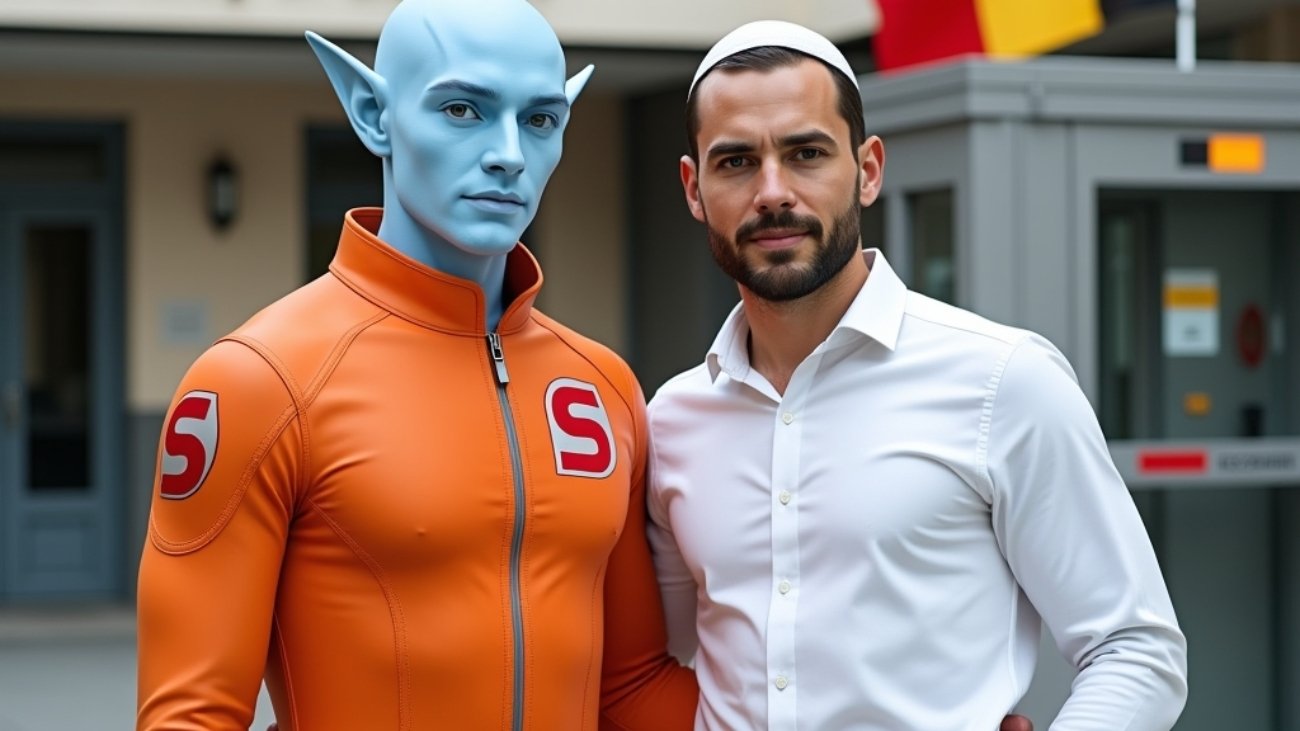
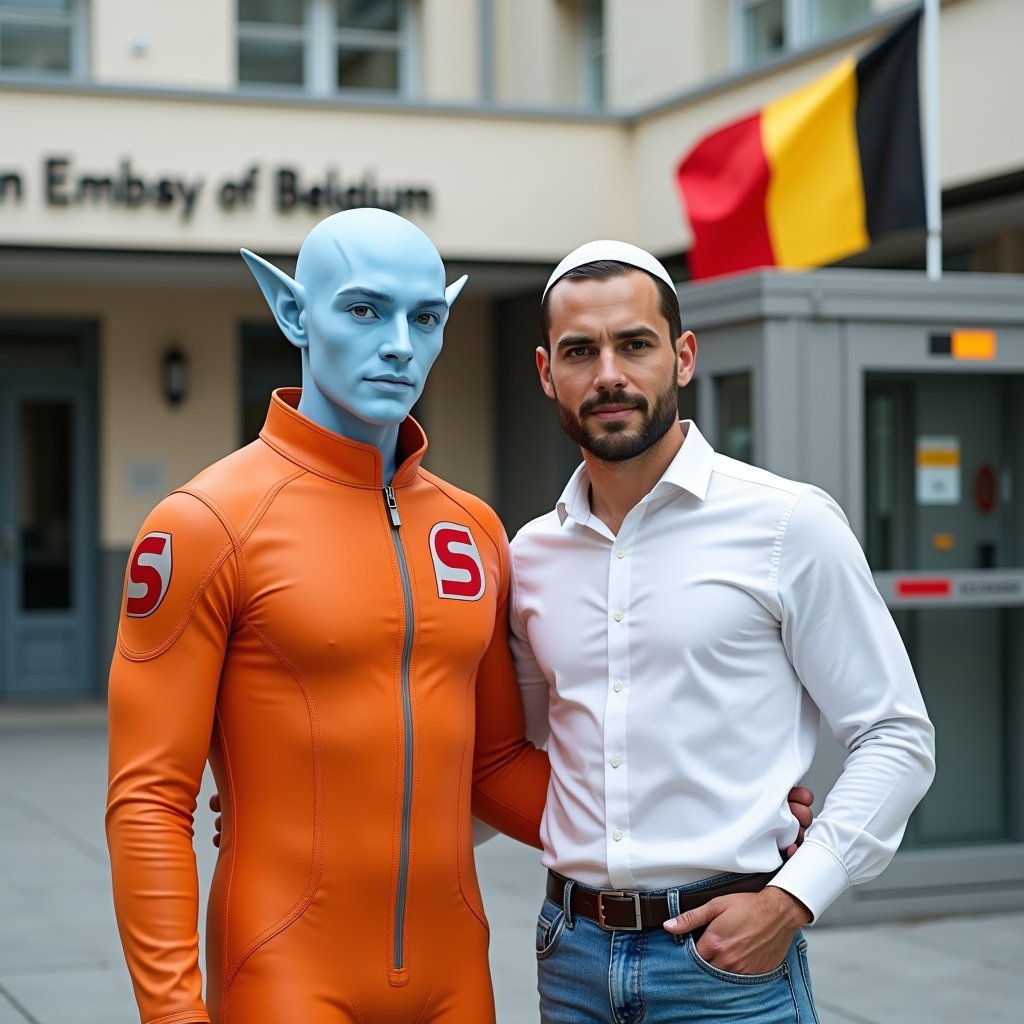
I was suddenly in the black tunnel, with Shalzed next to me. I watched carefully, but didn’t see him turning any knobs or controls. Someday I would either get him to tell me how it works or figure it out. Then we were standing outside a security booth beneath a black, yellow, and red flag. There was a sign that said ‘Embassy of Belgium’, and from Hebrew up and down the street I could tell that we were in Tel Aviv.

A middle aged man in a suit and tie stepped out of the embassy. Shalzed called after him. “Ambassador Thijs, can you explain why you won’t replace the passport of a Belgian citizen studying at a yeshiva?” he asked.

The ambassador stopped and stared at him. “Consular services are only in the mornings,” he said.

A woman ran up, dragging a child along behind her. “My son put finger paint all over my passport,” she said, pulling a passport with red all over the cover from her purse. “You have to help me.”

“We do passports between eight and eleven AM,” the ambassador said again.

“But I have a flight back to Belgium at ten tonight. I have to go, it’s for my sister’s wedding,” the woman pleaded.

The ambassador asked for the passport and looked it over. “Perhaps someday your son will be a  famous artist, but in the meantime this passport can’t be used,” he said. Just then, a man wearing suit pants and an elegant purple shirt came out of the embassy. The ambassador showed him the passport and asked a question in Dutch. The woman with the little boy gave him a pleading look.

“I can do it,” the man that had just come out from the embassy said. “As long as you have another valid form of ID, it shouldn’t take more than twenty minutes.” The woman started to say thank you. “But first,” the man continued, “I have to make sure where you live.”

The woman paused. “I live here, I made aliya 14 years ago,” she said. “But I still have a lot of family back in Antwerp.” She pursed her lips and looked back and forth between the man and the ambassador.

“He means what city?” the ambassador said. “Because we are no longer able to serve anyone residing in an illegal settlement.”

The woman frowned. “You mean Yehudah and Shomron?” The ambassador nodded. “I used to live in Ma’aleh Adumin, but we just recently moved to Netanya. I don’t understand why that should make any difference.”

The ambassador smiled, then directed her to the booth to go through security. She hurried to oblige.

“Even if you oppose Israel’s policies, what does that have to do with her?” Shalzed asked as the woman went inside. “Does she run the government? Does she command the army? Did she seize land?”

“And the kid in my friend’s yeshiva probably picked it based on the program, where his friends were going, and the price. He might not even know anything about the ’67 borders,” I added.

The ambassador held up a palm, signalling for me to stop. “Living in a settlement displaces Palestinians. Anyone who chooses to live there is complicit and has to face the consequences,” he said.

That made my stomach tighten. “I have a good friend named Yehudah who lives in Gush Etzion,” I told him. “He volunteers for an organization that works to facilitate dialogue between Israelis and Palestinians. . .”

The ambassador interrupted. “I very much support that type of activity, but it does not justify living on occupied land.”

“So are you also going to put Belgian citizens who live in settlements in jail if they return to your country?” Shalzed asked.

Thijs sighed. “Of course not. But the current situation calls for strong action. If we make life in the settlements harder, then fewer of our citizens will move there. This is my government’s way of making a statement.”

“So you are punishing your own citizens simply to make a statement?” Shalzed asked.

The ambassador shrugged. “It’s our only leverage. Now please excuse me,” he said. A black sedan was pulling up by the curb and he quickly got inside, and then Shalzed and I were back in the dark tunnel. I didn’t bother this time looking for more information about how Shalzed made it work because I was upset about the ambassador. He probably imagined that everyone who lived in the settlements was a violent extremist, and I knew very well that wasn’t the case.

A moment later I was back in the park across from my house, with Shalzed nowhere in sight. My phone rang, and I saw it was Yehudah calling back.

I swiped to answer. “Sorry,” I said. “I was away a bit longer than I thought.”

“No problem,” he said. “I just heard one of the rabbis here has connections with a member of the Knesset. He’s going to try to get help with that passport. But don’t you think withholding passports violates people’s rights?

I didn’t answer. I wasn’t sure Belgium would, either.

Subscribe to Receive Shalzed's adventures in your inbox

Sources:

Coverage of Belgium’s new policy from The Algemeiner

Protest press release from the Jewish Documentation and Information Center

shalzed with Doctors Without Borders in Gaza

Who Decides Who’s Neutral? Can Doctors Without Borders Stay in Gaza?

Who Decides Who’s Neutral?

Can Doctors Without Borders Stay in Gaza?

Shalzed speaks with Doctors Without Borders Emergency Coordinator for Palestine Claire San Felippo

What starts as a Bumble match turns into a sudden trip to a Doctors Without Borders field hospital in Gaza, as Shalzed asks who gets to decide what “neutral” means when humanitarian aid meets war.

Who Decides Who’s Neutral?

I got a match on Bumble for the first time in two weeks. Her name was Rose, and I really liked her profile. As an ‘opening move question’ she asked, ‘What’s your ideal first date,’ so I responded, ‘Holding hands while sky diving- although that’s definitely not happening on our first date!’ Then I sat in the living room watching NBA highlights, hoping she would reply.

I grabbed my phone as soon as it chimed, but instead of Rose it was Shalzed. “Doctors Without Borders is planning to stop working in Gaza,” he said.

“Okay,” I replied, checking if maybe by chance Rose had also messaged at the same time.

“I can’t understand it,” Shalzed continued. “Israel is just asking basic questions for its own security. How could an organization devoted to helping victims of conflict pick up and leave because of that?”

Suddenly, I was in the black tunnel with points of light. I wished I had my phone with me, but it was no longer in my hand. It might not even work wherever Shalzed was taking me. Then I was outside a large, white medical tent. It had rows of folding chairs, filled with people waiting. Children were running and crawling around on the floor. There was a row of smaller tents with examining tables outside. Doctors and nurses wearing white scrubs with the Doctors Without Borders logo hurried about.

Shalzed was next to me, looking around. “Gaza city,” he said. Then he caught site of a woman with short hair and large, round glasses walking towards the road. He strode towards her, and so I followed.

“Excuse me,” Shalzed called. “Can you explain why Doctors Without Borders is threatening to leave?”

The woman turned, and I saw she was wearing an ID that said ‘Claire San Felippo, Emergency Coordinator for Palestine.’

“Are you with Israel?” she asked, looking at Shalzed suspiciously. “If so, you can’t be here.” She put her hands on her hips.

Even though I wasn’t an Israeli citizen, I still felt uncomfortable being in Gaza. I moved closer to Shalzed.

Shalzed shook his head. “I just want to understand why you are threatening to leave rather than complete the simple registration process the Israeli government now requires.”

San Felippo glanced towards the road, where a man holding a clipboard was waiting. “Simple process?” she asked. “They want to know the identities of all our staff, Palestinian and international. What if Israel uses the information to target them? Do you know how many humanitarian workers have already been killed by the Israeli army?”

“A lot of so-called humanitarian workers are also Hamas,” I told her.

“We would never knowingly employ anyone engaged in military activity,” she shot back.

To my surprise, Shalzed interrupted. “Israel says you have.”

San Felippo shook her head. “It was just a few isolated incidents. We dealt with it right away.”

A woman in her early twenties wearing a badge identifying her as a nurse passed by. “I don’t want you giving my name to the genocide army,” she said.

One of my brothers moved to Haifa and is in IDF reserves, and I have several cousins also in the army. It makes me mad to hear people say that.

“We won’t do anything without your consent,” San Felippo told to the nurse. Then she turned to Shalzed. “That’s what this is really about, Israel is trying to scare away all our employees to force us out.”

“If you go around accusing Israel of genocide, why would you expect its government to cooperate?” I asked San Felippo.

She turned to me. “Bearing witness is one of our key principles, no matter where we work. We see genocide with our own eyes as we struggle to treat the wounded. Our mission requires us to speak up.”

“You can’t see genocide,” I told her. “That’s just your opinion. Israel believes everything it does is necessary in self-defense.”

“Isn’t neutrality one of your core principles also?” Shalzed asked her. “Accusing Israel of genocide, along with calling for boycotts and arms embargoes, hardly seems neutral.”

I heard a siren in the distance. All three of us turned, and I saw what looked like an ambulance approaching.

“Neutrality means we give medical treatment to anyone in need without conditions,” San Felippo said. “But neutrality doesn’t stop us from speaking out about what we are witnessing here on the ground.”

A nurse went to the waiting tent and called a name. A boy who seemed like eight or nine got up. His left foot was in a bandage, and he hopped along by leaning on what looked like a broomstick under his armpit. The siren was getting louder. A man came by, pushing an empty wheelchair towards the road. “Just in case,” he said to San Felippo.

“Do you know what it is?” she asked.

The man shook his head. “Electricity is out, so there’s no internet. I know nothing.”

San Felippo turned to Shalzed as soon as the man passed by. “The security concerns are just lies Israel is using to try to push us out and deny Gaza residents medical care. And if we leave, they know exactly what will happen,” she said.

“Rather than address Israel’s concerns, you’re trying to stir up global outrage about hundreds of thousands of people left without medical care so you can keep doing everything exactly the way you want,” I told her.

“Look at the Red Cross,” Shalzed added. “They don’t go on social media campaigning for embargoes or boycotts, and Israel has never threatened to kick them out.”

“That’s their choice,” San Felippo said. “The Red Cross stays silent in order to preserve access. Our values are different than theirs.”

A Red Crescent ambulance pulled up and several people got out. The driver immediately started arguing with the man who had brought the wheelchair, who was helping an elderly man who was clutching both hands to his chest out the back. They spoke in Arabic, so I couldn’t understand them.

“I’ve got to go,” San Felippo said, starting towards the road. “But just to let you know, in the end we are planning to comply with Israel’s requirements. They’ll probably still try to kick us out anyway.”

The man with the wheelchair smiled when he saw her, and she said something to the driver that seemed to calm him down. Then I was back in the black tunnel, and a moment later in my apartment. It took me a moment to orient myself to being back home. I suddenly felt thankful that I lived in the United States, where we have electricity and health care, rather than Gaza.

My phone chimed. I looked around and Shalzed wasn’t with me, so I thought maybe he was calling. But instead it was a message from Rose. It said, ‘Ha ha. I’d rather donate the money we’d spend on sky diving to an organization that helps people in need, like Doctors Without Borderes. What about you?”

I chuckled. I’m all for helping people in need, but I’d prefer an organization that isn’t so anti-Israel. I wondered whether I should try to explain that to Rose, or if that would end our relationship before it even had a chance to get started.

Subscribe to Receive Shalzed's adventures in your inbox

Sources:

Israel Tells Doctors Without Borders to End Its Work in Gaza- New York Times article click here.

Text of Israel’s new requirements law, click here.

Israel’s report on Doctors Without Borders non-compliance, click here.

Doctors Without Borders press release protesting Israel’s requirements, click here.

Doctors Without Borders Jan. 24th statement agreeing to comply with Israeli requests, click here.

shalzed and simon leaving the eiffel tower

Why Isn’t Everyone Excited About the Board of Peace?

Why Isn’t Everyone Excited About the Board of Peace?

Shalzed finds out why the President of France thinks this may not be a good way to pursue peace and justice

Shalzed and Simon outside Cafe Maya, next to Amnesty International Headquarters in London

When Donald Trump announced his new Board of Peace, Shalzed was excited. This is just the type of thing he came to Earth for! In this episode he questions French President Emmanuel, who refused to join, and learns why this might not be such a perfect way to pursue peace and justice after all.

Why Isn’t Everyone Excited About the Board of Peace?

I stayed after school to watch the boy’s basketball game. I sat with Rabbi Reichbaum, the principal. It was the end of the second quarter, when the backups who only got to play a few minutes each half were in the game. Rabbi Reichbaum made a special point of watching to make those kids feel important and part of the team. I thought that was a nice idea, so I did too.  

But just as a kid made a layup- probably the first time he had ever scored in a game – Shalzed called. I decided that I had to step out into the hallway so Rabbi Reichbaum wouldn’t overhear.

“Earth is amazing!” Shalzed exclaimed as soon as I swiped to accept. “Did you know that the U.S. President is creating a Board of Peace?”

“Doesn’t that have to do with Gaza?” I asked. That’s what I remembered from the news.

“Gaza is just a small part. The Board of Peace will resolve conflicts all around the world.”

“Let’s wait and see,” I told him.

“I don’t understand why all of you humans aren’t excited. I’m especially perplexed why President Macron of France even refused to join.”

Before I could say anything, I was in the familiar black tunnel. This time I tried to focus on the points of light. Were they stars, or were they part of some kind of mechanism? I thought I saw the shape of the Big Dipper, but the truth is I didn’t know exactly what it looked like. Then I was standing next to Shalzed on the second deck of the Eifel Tower, outside a restaurant called Le Jules Verne. Emmanuel Macron, accompanied by an elegantly dressed, much older woman that I assumed to be his mother, had just gotten off the elevator and were headed towards the door.

“Monsieur le Président, why are you refusing to serve on the new Board of Peace?” Shalzed asked. “Don’t you want to help resolve all of the conflicts plaguing your planet?”

Macron wrinkled his forehead. “Who is this, mon cherie?” the woman next to Macron asked in a thick French accent. She grasped his hand in a way that made clear she was his wife.

A security guard stepped forward and said, “The line for the restaurant starts downstairs.”

I took Shalzed’s elbow and tugged him out of the way.

Macron seemed to size Shalzed up for a moment, then he responded. “I declined to join because we already have the United Nations, and maintaining peace and security is what it was created to do.”

I couldn’t help but laugh, but I stopped myself when I realized that Macron was staring at me. “Right,” I told him. “And look how well that’s going.”

Macron nodded. “That’s why we need UN reform. And a new Security Council with broader representation and a revised veto.”

Macron’s wife put a hand on his shoulder. “Mon couer, you’ve been saying that for decades, and nothing ever happens.”

“If reform isn’t working, this is a chance to create a better United Nations from scratch,” Shalzed said.

Macron scoffed. “How can any Board of Peace possibly include Putin, who is responsible for the terrible war in Ukraine?” Macron asked.

“Well, you’re happy with Putin having a permanent Security Council seat and veto at the United Nations,” I replied, because I wasn’t sure Shalzed knew about that.

A man wearing a white chef’s shirt with the name ‘Frédéric Anton’ embroidered over the breast pocket came out of the restaurant and extended his arms in greeting. “Bienvenue monsieur le president, Bienvenue madame Macron,” he said. “Raviolis aux langoustines, crème de parmesan et fine gelée de betterave attendant.”

I didn’t know what that meant, but I was pretty sure it had to do with the menu. I looked out at the incredible view of Paris and saw what I thought was the Arc de Triomphe. I had never been to Paris before, except one time changing planes at Charles de Gaulle airport on the way back from my gap year trip to Israel, so I wasn’t sure.

The chef beckoned Macron forward, but Shalzed stepped in the way. “Much of the world is not represented on the Security Council, and it is stymied by the veto. In the General Assembly, tiny states vote on distant conflicts they don’t understand, guided mostly by who they’re trying to please. Isn’t a broad board which includes representatives from most of the major countries, along with some leaders from other fields, a better way?”

“Excusez-moi, it is time for dinner,” the guard told Shalzed.

Macron’s wife signaled the guard to stop, then put a hand on Macron’s shoulder. “This makes sense, Mon amour. You should listen,” she said.

“Trump is selling memberships for a billion American dollars,” Macron said dismissively. “How can that be a fair way to establish a Board of Peace?”

“The money will go to Gaza,” Shalzed said. “And the UN already takes in billions.”

Macron’s wife clicked her tongue. “I think what really bothers my husband is that Monsieur Trump is a very strange person to have as chairman of a board devoted to peace.”

“Only an egotistical U.S. President would try something as audacious as this,” I said.

“Not just egotistical,” Macron’s wife added. “He just kidnapped the President of Venezuela and is threatening to take over Greenland. Maybe if someone else was behind this my husband would be more supportive.”

Macron shook his head. “Trump is my friend,” he said. “I invited him to join us here for dinner this evening, and I am sorry he did not attend.”

“Speaking of dinner,” the chef said impatiently, gesturing inside.

The security guard nudged Macron forward, and this time Shalzed stepped back to allow him and his companion to enter the restaurant.

“Look at the UN’s paralysis in Gaza,” I said as Macron walked by. I kept to myself that many at my school feel the UN has actually made the situation worse. “If this board of peace wasn’t Trump’s idea, would you give it a try?”

Macron stepped past us and entered the Jules Verne restaurant, with the chef following behind. The security guard lingered, watching Shalzed and me.

I tried to get one last glimpse of Paris as I felt myself being drawn back into the black tunnel. A moment later I was back in the hallway of the school. I wondered how long I had been gone. I heard clapping from the gym, so I figured the game was at least still going on.

I went back inside and saw that the third quarter was just beginning, and now our school’s team was down by 20. I went and took my seat next to Rabbi Reichbaum.

“That was a long phone call,” he said.

“Yeah,” I replied, not sure what else to say.

“At halftime one of the kids from the other school was ejected for taunting. I’m proud none of our boys got into a fight. I think we should talk about it tomorrow, maybe after davening.”

“Ok,” I said. “I’m sure the kids will fill me in.”

“It’s like we need a whole board of peace just to run a basketball game,” Rabbi Reichbaum said. “But not if it means Donald Trump. Even if he does manage to bring peace to the Middle East, I don’t want him anywhere near here.”

Subscribe to Receive Shalzed's adventures in your inbox

Sources:

For more background on Trump’s Board of Peace from CNN, click here

shalzed and simon at the state dept

From Green Onions to the United Nations

From Green Onions to the United Nations

Shalzed wants to know why the U.S. is pulling out of international organizations

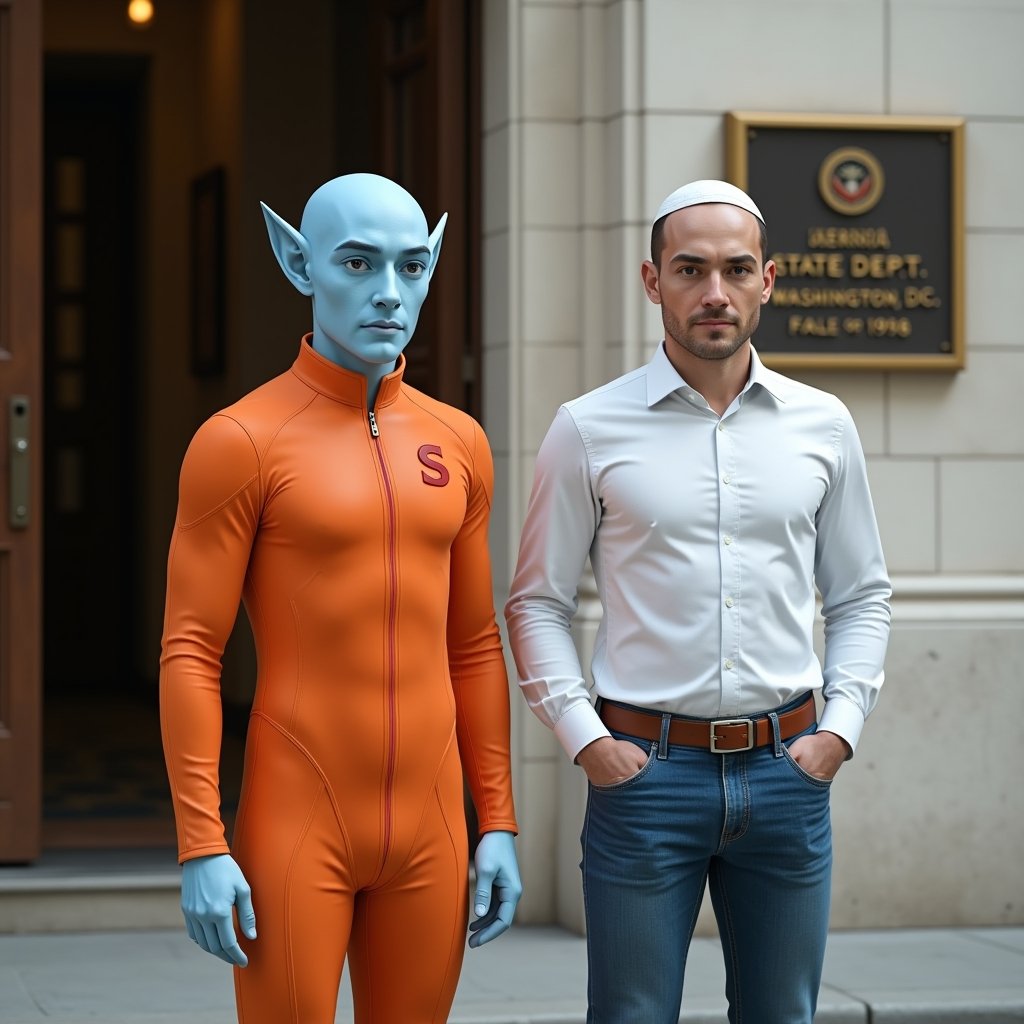
Shalzed and Simon outside the State Dept. in Washington D.V.

Shalzed came to Earth believing international law — and the web of institutions built around it — offered a model for peace, not just here but across the galaxy.

But last week the U.S. withdrew from 66 international organizations. In this episode, Shalzed confronts U.S. Secretary of State Marco Rubio to find out whether this vision is falling apart.

From Green Onions to the United Nations

I hurried into shul with a bag full of groceries. Rabbi Shayerman trusted me, but the policy was very strict that he had to check everything in. I wanted to be able to start working on the kiddush before he got caught up with his ‘pizza and parsha’ class for youth.

It only took the rabbi a minute to find all the hechshers. He grabbed a stack of napkins and paper plates and headed to the social hall, and I started chopping green onions for the tuna salad. Then Shalzed called.

“Why is President Trump withdrawing the United States from international organizations?” he asked. “They are all places for countries to resolve disputes and work together.”

I hadn’t heard anything about this, but it did sound like something Trump would do. “What organizations?” I asked.

“About half are connected to the United Nations,” he said. “And the United Nations is the primary body you use to keep peace and security on your planet.”

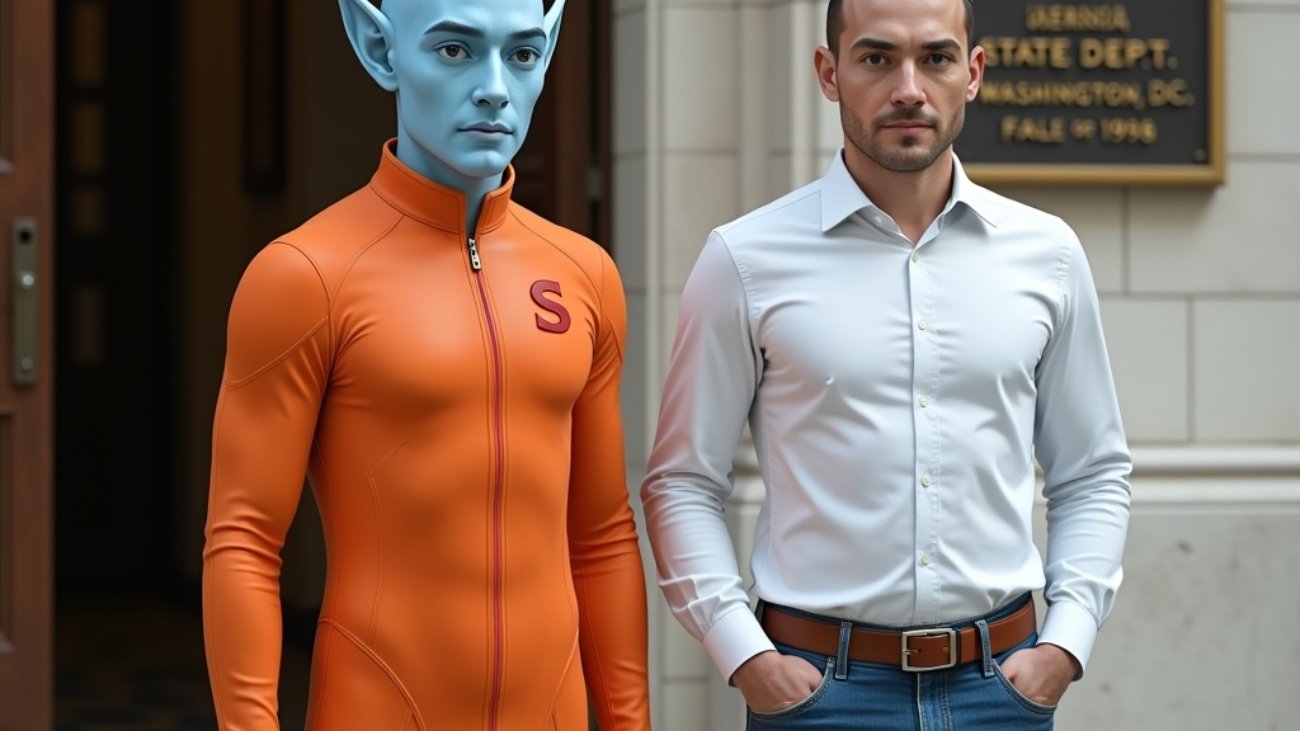
Before I could say anything else, I was in the dark tunnel with points of light that by now had become familiar. This time I tried to listen as best I could for any sounds that would give information about how it worked. I didn’t hear anything like motion or machinery, though, and a moment later I was standing next to Shalzed in the office of Marco Rubio at Foggy Bottom.

Rubio was sitting behind an enormous, wood desk, looking at his computer. “Mr. Secretary,” Shalzed began. “Why are you trying to undermine the United Nations?”

Rubio looked up and wrinkled his forehead. “Where have I seen you two before?” he asked.

Just a week ago Shalzed had taken me to Mar-a-Lago to confront Rubio about the U.S. nabbing Maduro out of Venezuela. “We travel a lot,” I told him.

“I don’t know how you got in here, and I have a meeting in just a moment,” Rubio said. “But no, the United States is absolutely not trying to undermine the United Nations.”

Shalzed put his hands on his hips. “You just announced that you’re withdrawing from 31 UN organizations, and a bunch of other non-UN organizations too.” he said.

Rubio shook his head. “The United States strongly believes in the United Nations. But only as a forum for diplomacy. Why does the UN have dozens of little agencies, most of which are redundant, wasteful, and counter to our interests?”

“Does that mean you’re upset other countries don’t always go along and give the United States everything it wants?” I asked.

Rubio closed his laptop and crossed his arms against this chest. “Absolutely not. Take for example the UN Democracy Fund. It just gave money for a program that it claims helps youth in Argentina strengthen their critical thinking. And they sponsored a program to increase women’s political participation in Baluchistan.”

“Baluchistan?” I interjected.

“It’s a region in Pakistan,” Rubio said quickly. “The point is that these are things that if wanted, countries should do them on their own. The UN was never meant to have billions of dollars to spend on do-gooder projects wherever they please.”

“But maybe these projects are valuable?” Shalzed suggested.

Rubio shrugged. “Maybe. But the UN should be only the General Assembly and Security Council. It shouldn’t try to do the job of its member states, and when it does it’s an affront to states’ sovereignty besides.”

A man I didn’t recognize wearing a beige suit and striped tie entered the office. He had a senate pin on his suit jacket and was wearing a VIP badge around his neck. “Thanks for taking the time,” he said, striding over to Rubio’s desk. “Great work on cutting us out of 66 agencies, but I wish you had pulled out of a few more.”

Rubio stood up to shake his hand. The man turned to us. “Nice to meet you,” he said. “Rand Paul from Kentucky.”

“I am Shalzed,” Shalzed said. Paul stared at him expectantly. After an awkward silence Paul said, “You must both be awfully important if they let you in without ID badges.”

“We arrived a different way, not through downstairs,” I said, trying to laugh.

“I doubt you were able to parachute in through the window,” Paul said with a chuckle. He turned to Rubio. “Maybe some of the money we saved by withdrawing from those organizations ought to go towards State Department security.”

“It’s a form of tzedakah,” I said, as I had no idea how Shalzed could explain our arrival without getting us into all sorts of trouble. Rubio, Rand Paul, and Shalzed all gave me blank looks, and I realized I had used a Hebrew term. “Charity,” I told them. “A lot of the countries that benefit from these programs probably don’t have enough money to do these things themselves.”

Rand Paul waved a dismissive hand. “The U.S. is still a part of UNICEF and the World Food Programme,” he replied. “I never advocated against that. It’s just small bureaucracies that are ideologically driven and wasteful that we want to get out.”

“It’s only a miniscule part of the U.S. government’s budget,” Shalzed said.

“Let me tell you something,” Rand Paul said, turning towards us. “Imagine standing outside a gas station somewhere in Kentucky and asking folks as they walk by if they want their tax dollars going to the International Cotton Advisory Committee. Or the Venice Commission of the Council of Europe. Or the UN Permanent Forum on People of African Descent. Not one of them will say yes. Finally we have an administration that actually listens to the people.”

“It’s a lot more cost effective to resolve disputes in these forums than to risk them deteriorating into violence,” shalzed said.

“Exactly,” Rubio responded. “That’s what the United Nations General Assembly and Security Council are for. But no more unelected, unaccountable international bureaucracies pursuing their own agendas while the United States foots the bill.”

“I’m just curious,” Paul interrupted. “If you parachuted in, are you going to leave by parachute too? Because I think the fine gentlemen downstairs at the exit will be awfully concerned about your badges.”

“I have no worry,” Shalzed said simply.

Paul laughed. “If you have badges in your pocket you should take them out,” he said.

“And I think you should be going,” Rubio added.

I tugged Shalzed’s arm. “Time to leave,” I told him.

“Fine,” he said, not sounding happy. He turned to Rubio and Paul. “But most problems cannot be resolved by any one country. Aren’t international organizations the only way?”

“For that there are bilateral agreements,” Rubio said. “And I think I’ll call security, they’d like to see your badge.”

Just as he picked up his desk phone I was back in the black tunnel. I tried to concentrate on Marco Rubio’s face, to see if he had any reaction, but the transition was too fast. I wondered what he saw? A moment later I was in the synagogue kitchen, right in front of the cutting board with green onions waiting to be chopped.

I took a moment to get my bearings, then picked up the knife. Rabbi Shayerman came in and looked around. “I thought you were in a hurry,” he said to me.

“Right,” I said. He glanced at the onions waiting on the table, only half of the first one chopped. “I got a call on the phone,” I told him. That was at least partially true- Shalzed had called before he took me to Washington. But there was no way I could explain that.

Subscribe to Receive Shalzed's adventures in your inbox

Questions:

  1. The United Nations has grown far beyond a forum for diplomacy, taking on work in areas like development, democracy, environmental protection, and human rights.
    Do you see this expansion as necessary for solving global problems—or as an example of unaccountable bureaucracies encroaching on state sovereignty?

  2. Withdrawing from 66 international organizations saved the U.S. only a negligible amount of money. Even if some of these organizations are inefficient, was withdrawal worth the cost in lost influence—or does influence matter less than principle here?