Towards Better Use of Human Rights

The Problem

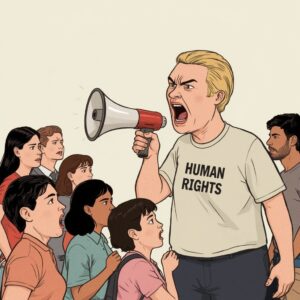
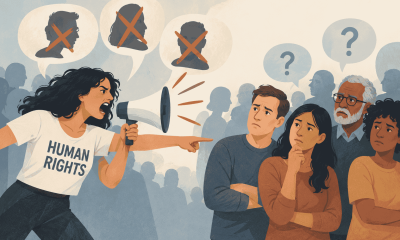
Human rights are based on universal principles we should all be able to agree on. But when activists present their own interpretations of those principles as moral absolutes, they turn legitimate disagreements about competing rights and interests into battles between good and evil. The result is less room for compromise and even more division.

What We Do

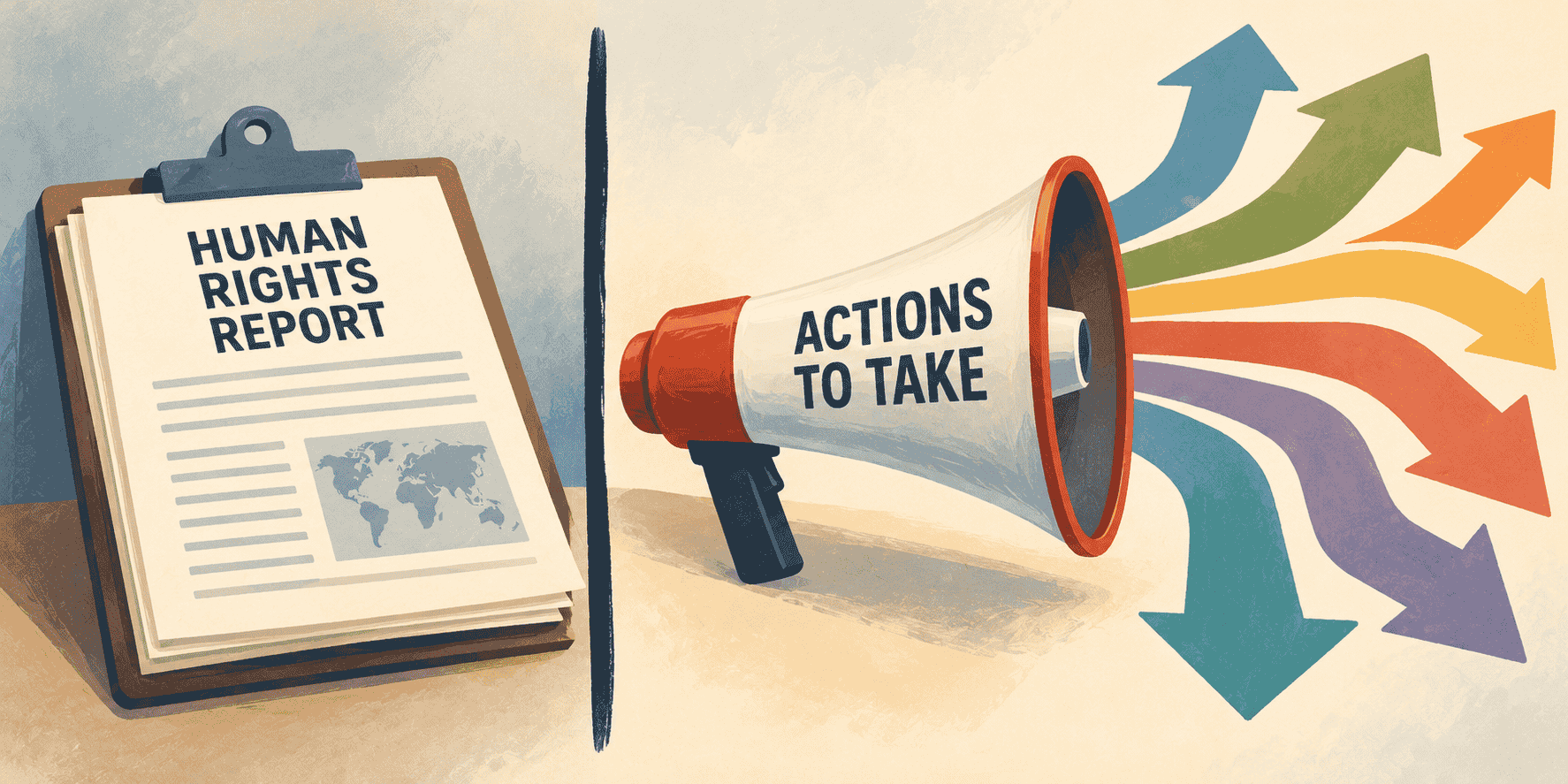
We tell human rights organizations when to stop. Exposing human rights violations isn’t the same as deciding what should be done about them. Reasonable people can disagree. Shalzed challenges those who claim that universal principles demand support for their favored laws, boycotts, or political positions.
Polarized Human Rights Debate compressed
Human Rights Report_ Paths to Action compressed

We use human rights as a common language. Too often, human rights advocates portray those who disagree with them as deliberately violating the rights of others, confident they can do so with impunity. This fuels hatred, dehumanization, and division. We ask when even our deepest disagreements may reflect different understandings of the facts or different ways of weighing competing values.

How We Do It

Through essays and commentary that challenges how human rights organizations use their moral authority.

Through questions that explore how people who share universal principles can nevertheless reach opposing conclusions.

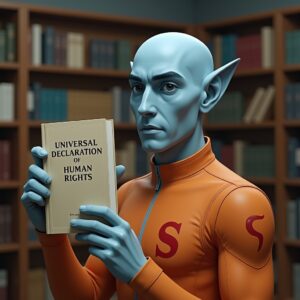
And through Stories of Shalzed, an alien from a war-torn planet who comes to Earth believing human rights might be the key to peace throughout the galaxy. Shocked to discover that Earth itself remains plagued by violence and injustice, he sets out to understand why human rights have failed to live up to their promise—and whether they’re worth bringing back home.

Human rights are too important to leave to activists.