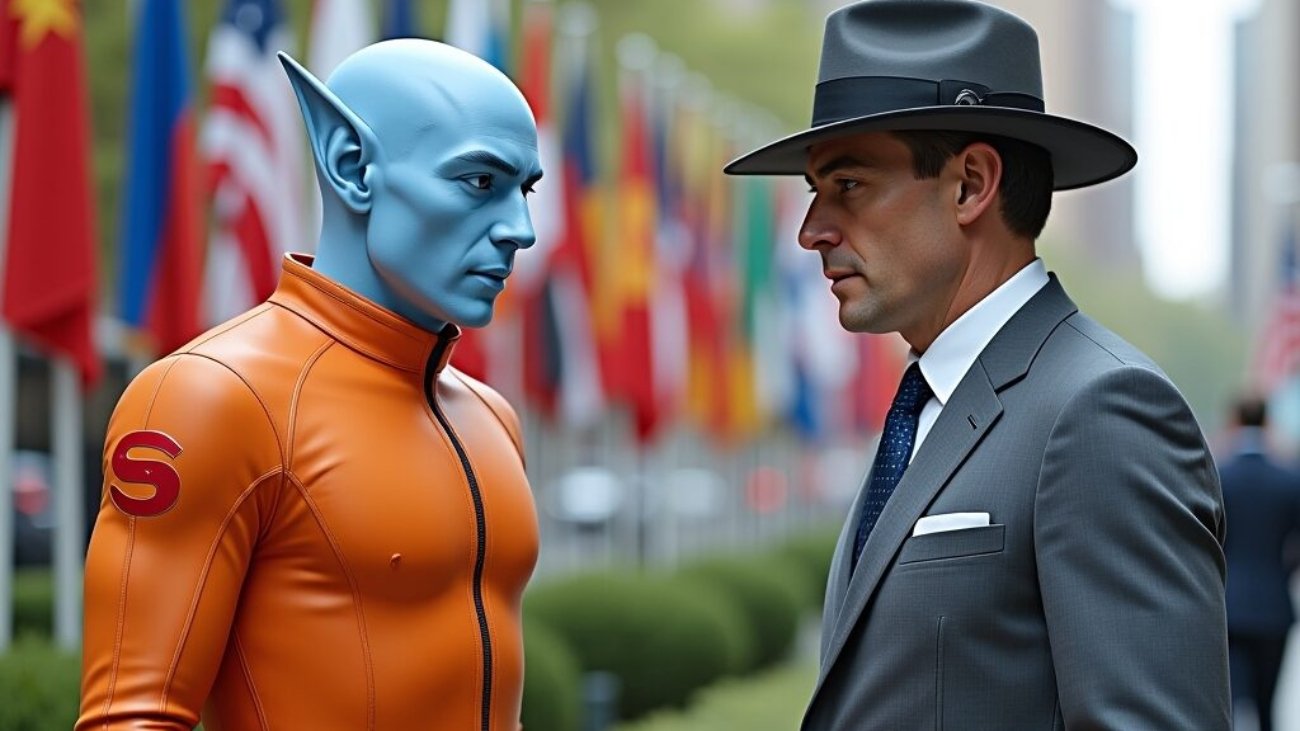
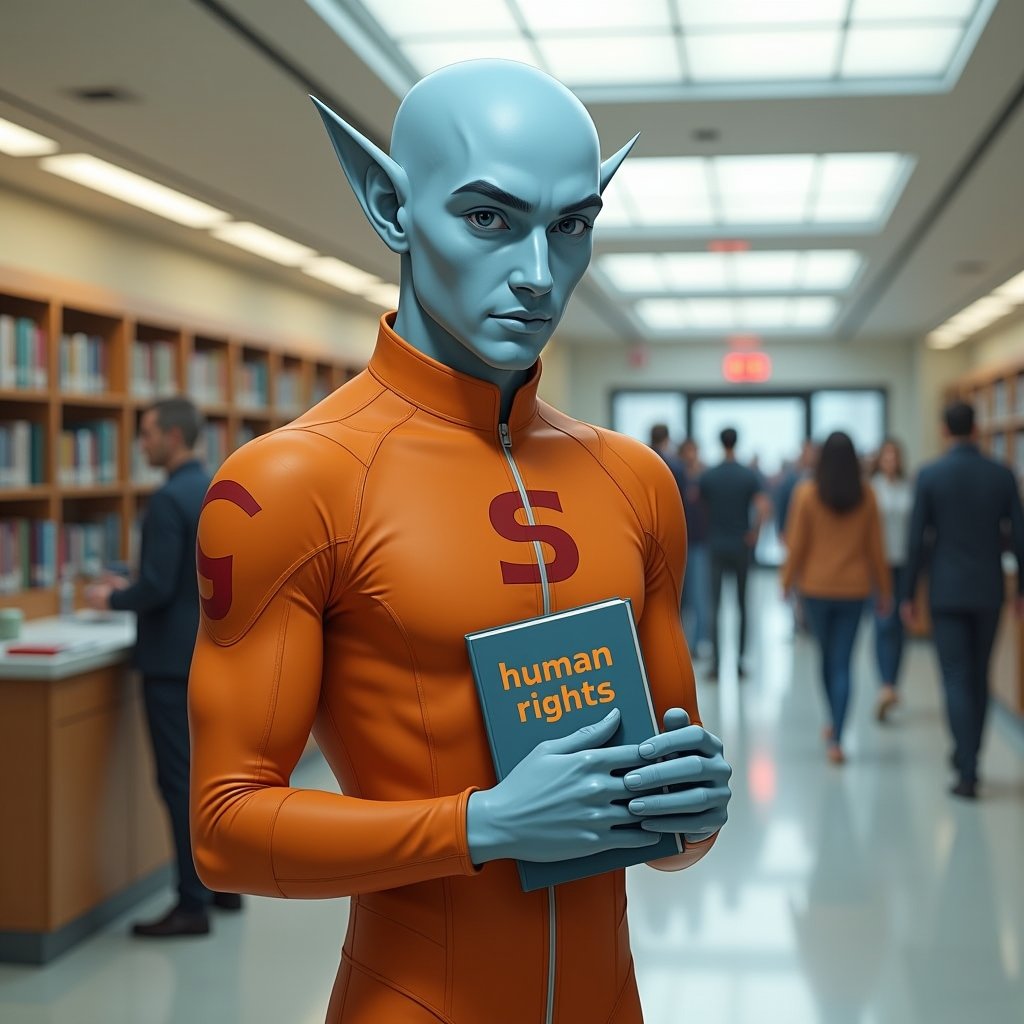
shalzed at library

How Shalzed and Simon First Met
How Shalzed and Simon First Met

shalzed at library

It all began at the library. Dina Perlstein, whose son Aaron is in my eighth grade Mishnah class, spotted me just as I finished checking out a new Grisham novel on the self-checkout machine. “Moreh Simon,” she said as she hurried over. “I have to talk to you about the test you gave last week.”

It always embarrassed me to be called ‘moreh’ outside of school. “Nice to see you,” I said, glancing towards the door. Since she was Orthodox I didn’t offer to shake her hand. “I just finished grading, tomorrow I’ll give the tests back to the class.”

“Did Aaron do alright?”

Why do parents think I know every kid’s grade by heart? “I think so,” I told her. “I don’t recall off the top of my head.”

“Remember he was very busy the night before the test preparing for his bar-mitzvah. I’m sure you agree that has to take precedence.”

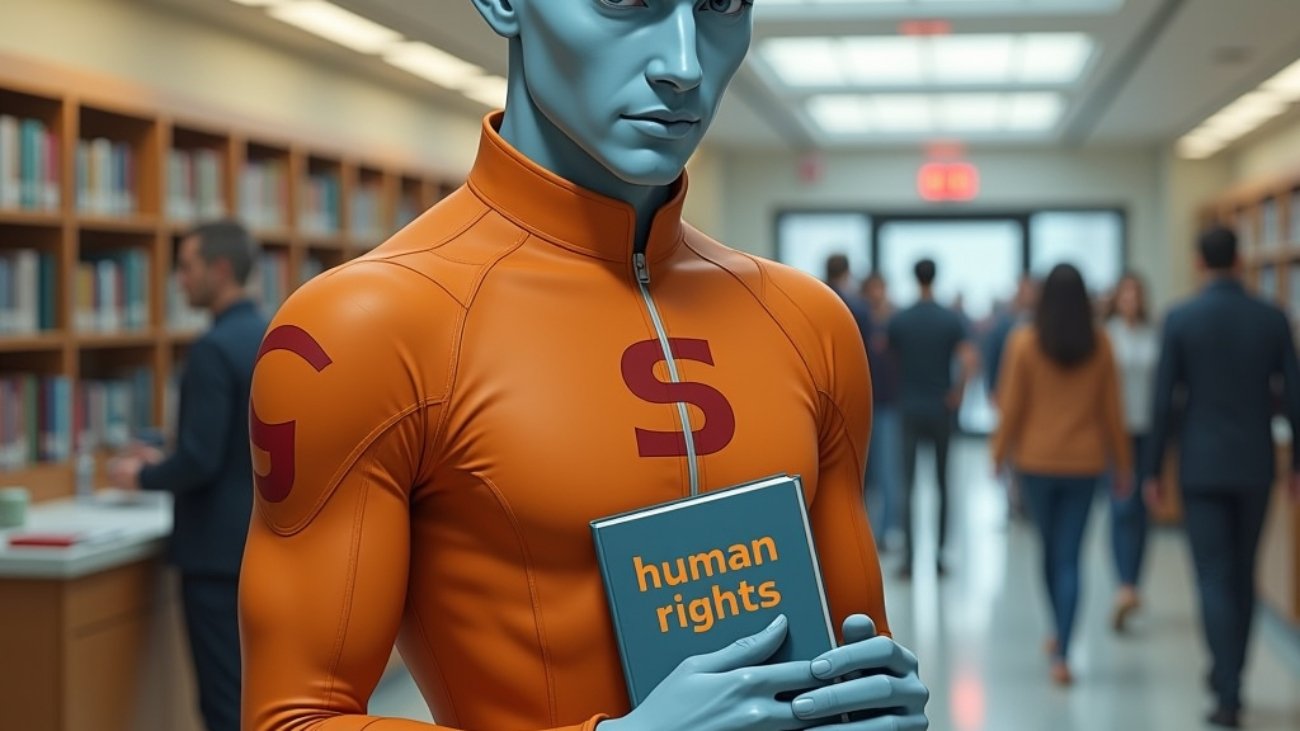
Just then the red flashing light went on at the library exit and the gate made an alarm sound. We both turned to look. A man with pale blue skin and pointy ears was stuck at the locked turnstyle, looking bewildered.

“Did you forget to check out that book?” the librarian called from behind the desk.

The man frowned. “Check out?” he asked.

The librarian looked annoyed. “That book you’re holding, did you check it out?”

The man scratched his chin. “Why did this electronic apparatus suddenly begin emitting photons of approximately a 700 nanometer wavelength and causing atmospheric oscillations of such an unpleasant type?” he asked.

The librarian stared, but I laughed. I decided to walk over. This man seemed to need a little help, and it was a good excuse to get away from Mrs. Perlstein. “Have you used the library before?” I asked him, extending my hand. He shook his head. I noticed that the title of the book he was holding- An Illustrated Guide to the Universal Declaration of Human Rights.

A woman pushing a stroller came behind us, so I nudged him out of the way, back towards an unoccupied table at the edge of the lobby. “No,” he said simply.

“Do you have a card?” I asked.

He opened the book and turned to a page which he found quickly from memory. “Everyone has the right to receive and impart information and ideas through any media,” he quoted. “So I must be allowed to take this book.”

I chuckled. “Listen, to borrow a book from the library you need a card.” He narrowed his eyes and looked around the library like he was afraid the walls would start closing in and he had been lured into some sort of trap. “Do you live around here?” I asked.

He hesitated, then shook his head. Then he told me a story so incredible that at the time I thought he was crazy, but by now I’ve personally verified at least most of it, and so I know that it’s true.

He said that he is from a troubled civilization about ten light years away. Their species has divided into hundreds of warring tribes. They kill each another, constantly inventing ever more powerful weapons, and they have already destroyed countless moons, asteroids, and even planets as their wars spread throughout their solar system. In each of their tribes a few rich leaders oppress the poor. The masses live in miserable squalor, as the rich keep them divided and weak due to perpetual fear of rebellion.

He had been observing Earth closely. He determined that we have intelligent life based on the light and radio signals we are emitting. He also observed that our atmosphere is clean, water is flowing, and life is everywhere abundant.

So he came to Earth to find out how we do it. He wanted to know how we built the peaceful, utopian society that he believed we had.

When he first arrived, he asked every human he encountered to tell him how our society works. I can only imagine the jokes and chuckles that must have earned him. Then finally, someone sent him to the library, where a librarian gave him the book about human rights he now has in his hands.

“Earth is far from perfect,” I told him. “We have wars, injustice, and oppression too.”

He took a sharp breath and stared down at the floor. “But it says here. . .” he began, pointing to the book.

“That’s in theory,” I told him. “It’s different in practice.”

He raised his head and stared at me. “But why?” he asked.

I shrugged. “I don’t know, it just is. It’s hard to make everyone respect other people’s rights.” The truth is I had never really given it much thought.

I noticed a thick, bluish liquid on his cheek, and had the sense he was starting to cry. He told me that he had been planning to return right back to his planet with the book he was holding, but he wouldn’t do so if human rights didn’t really work.

We talked for quite a while. In the end we agreed that I would help him understand why human rights are so complicated and difficult, so he could decide what report to bring back. I also agreed to let him take the book out on my card. I’m not sure if he realizes he’s supposed to return it in three weeks, but even if he doesn’t everything I’ve learned with him so far has made it worthwhile.

Before we parted that first time I asked his name. The first syllable sounded like a ‘w’ followed by a bleating goat, and it ended with what seemed to me like a combination of a sneeze and a hiccup. There was no way I would be able to pronounce anything from his native tongue. So I decided to call him Shalzed. I got that by combining the Hebrew words ‘shalom’, which means peace, and ‘tzedek’, which means justice. This is what he came to Earth searching for, so I figured it’s fitting.

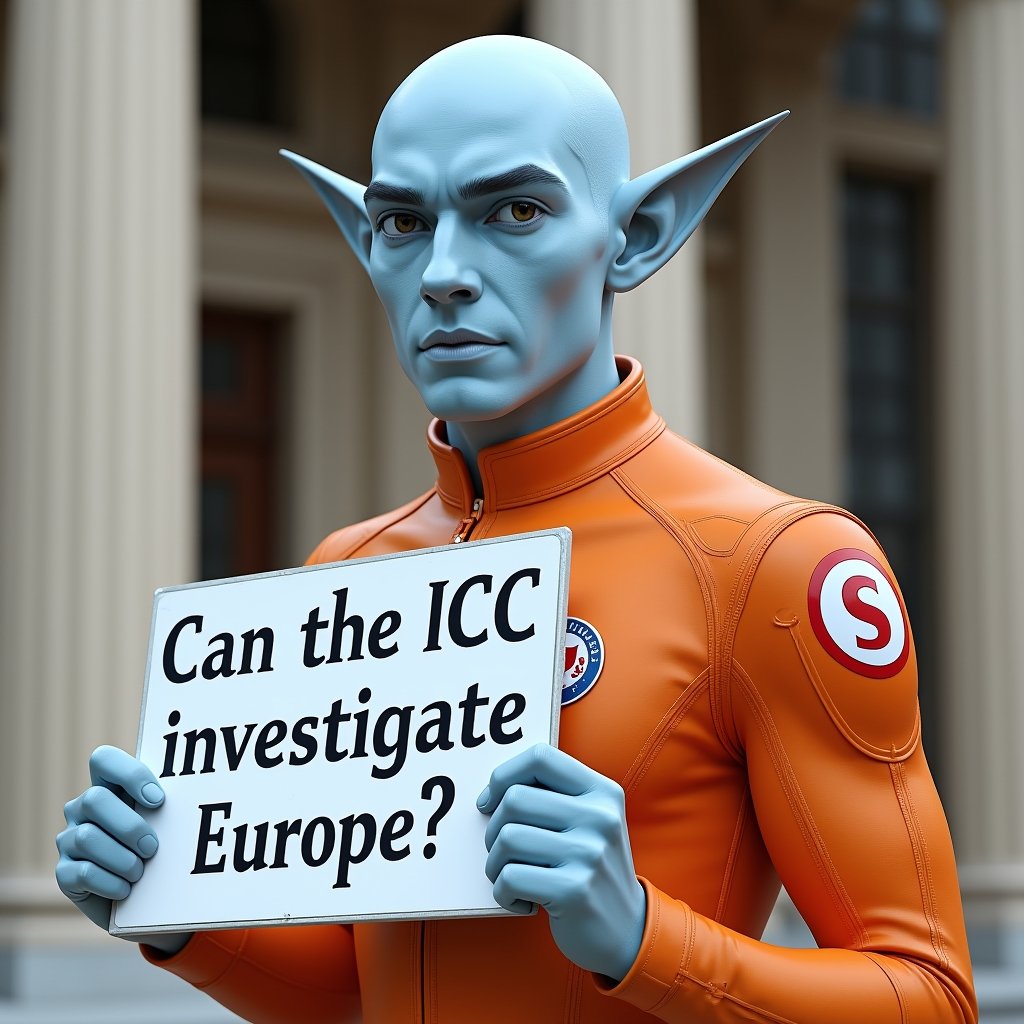
can the icc investigate europe

Can the ICC Bite the Hand That Feeds It?

Can the ICC Bite the Hand That Feeds It?

can the icc investigate europe

European countries played a key role in the establishment of the International Criminal Court (ICC). Every member of the European Union has become a member, and the ICC is headquartered in Europe (read more about Europe’s connection to the ICC here.) European countries are also the court’s biggest financial supporters (see here pp. 44-45).

The court began operations in 2022, and so far has opened 17 investigations, leading to charges against 49 defendants and five convictions. Most of its initial investigations involved Africa, leading to criticism that the court was focused on exporting European-style justice to that continent. But in the last few years the court has expanded geographically, indicting leaders of the Taliban in Afghanistan, Rodrigo Duterte of the Philippines, Russian leaders for conduct in the Ukraine war, and leaders of Israel and Hamas over conduct in Gaza. European governments have, with a few exceptions, been by and large supportive of the ICC’s work, and supported all these indictments as well-intended attempts to bring perpetrators of atrocity crimes to justice.

While 125 countries have joined the ICC, several prominent ones, such as the United States, Russia, and China, have not. Russia has been particularly hostile towards the ICC due to the recent indictments of its leaders, going so far as to issue threats against individual ICC judges. The United States recently issued sanctions against ICC personnel as well. But the European Union has stuck up for the court, opposing these sanctions and criticizing the United States.

Now, several prominent human rights lawyers culminated six years of investigation by filing 700 pages of evidence with the ICC, claiming that over 120 European leaders are guilty of crimes against humanity. These lawyers urge the ICC to follow up with indictments. French President Macron, Former German Chancellor Merkel, Polish Prime Minister Tusk, and other highly prominent officials are on the list.

The alleged crimes relate to Europe’s treatment of refugees fleeing Libya and attempting to reach the continent by crossing the Mediterranean. The lawyers claim that the European leaders caused the deaths of at least 25,000 of these asylum seekers, and caused 150,000 more to be tortured, raped, and enslaved.

This raises a key question. The ICC has so far never as much as investigated, let alone indicted, a leader of Western Europe. Can it be trusted to handle allegations against its biggest supporters impartially, even as it relies on European leaders for both financial support and political backing as both Russia and the United States seek to undermine it?

More broadly, what does this say about international justice? International courts, such as the ICC, are created and funded by groups of countries. So how can we expect them to be impartial and non-political? Isn’t it inevitable that they be pushed to investigate whoever the court’s members disfavor, and to refrain from investigating supporters?

But what is the alternative? No non-governmental organization has the authority or resources to create any sort of international criminal court. And would we really want an organization that is privately funded and not beholden to any voters to be in charge of international justice?

One of the lawyers who helped prepare the 700 page document was quoted as saying:

The law of the ICC was born out of European crimes but only applied so far to crimes committed outside of Europe. Our request is simple: to apply the law impartially, also upon European nationals.

Do you think the ICC is actually going to do that? No matter what the ICC prosecutor decides, will you believe that they have acted based only on considerations of truth and law, not politics? Is there a better way? I’m anxious to hear your thoughts.

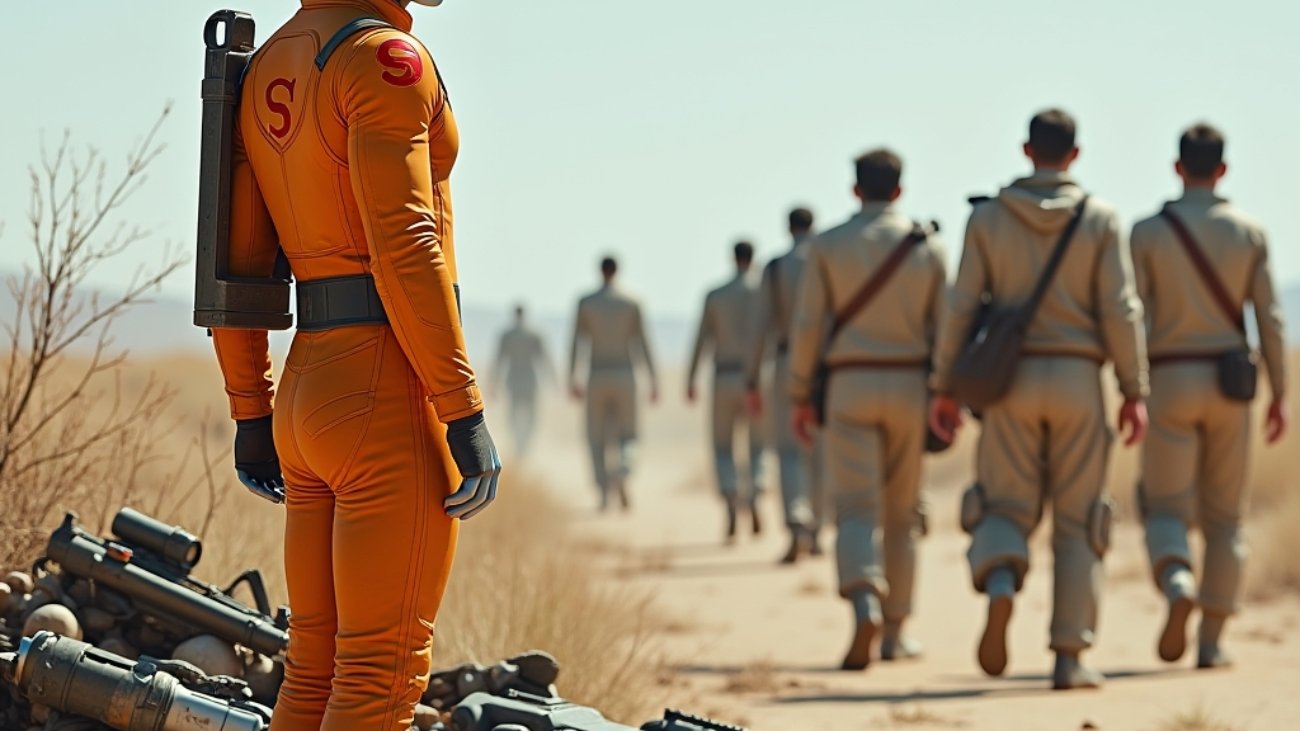
abandoning weapons

Amnesty for Atrocities?

Amnesty for Atrocities?

abandoning weapons

Paragraph 6 of Trump’s peace plan for Gaza states as follows:

Once all hostages are returned, Hamas members who commit to peaceful co-existence and to decommission their weapons will be given amnesty. Members of Hamas who wish to leave Gaza will be provided safe passage to receiving countries.


There does not seem to be any limitation with regards to what Hamas members are eligible to receive amnesty for. This would seem to mean, then, that even Hamas members who are guilty of torture, hostage taking, or other war crimes or crimes against humanity would be eligible for amnesty if they ‘commit to peaceful co-existence and decommission their weapons.’

This does not accord with international law. The Red Cross makes clear that while a government can grant a general amnesty to the members of groups that have rebelled or fought against it, when it comes to atrocity crimes no amnesty is possible. This is because every government has an obligation to prevent, put a stop to, and punish war crimes and crimes against humanity should that be needed. No government, or in this case coalition of governments signing the Gaza peace agreement, can bargain away this obligation. Furthermore, no amnesty is binding on the International Criminal Court, which would maintain jurisdiction and be able to prosecute atrocity crimes regardless.

The problem, of course, is that there is often a tension between justice and peace. On the one hand, peace requires some modicum of justice- any arrangement in which longstanding injustice is entrenched or ignored will not endure. But on the other hand, a single-minded focus on justice will likely get in the way of peace. If the enemy knows it faces prosecution, it will likely refuse to lay down its arms. To actually achieve peace usually requires an element of forgiveness and willingness to let go of trying to right at least some past wrongs.

It is unclear whether any Hamas members will actually try to avail themselves of this amnesty. But it still raises an important question about how far we are willing to go in offering forgiveness.

The case in favor of negotiating a ceasefire arrangement was overwhelming. If Hamas insisted on a blanket amnesty as part of the deal, was agreeing to it the right thing to do? Was it better to make an agreement that ends end suffering in the present, even if it means potentially letting Hamas members responsible for the most heinous crimes permanently evade punishment?

Or are there some crimes that cannot be forgiven, no matter what? Are there some crimes that are worth more fighting, more suffering, and more death in the here and now in order to make sure they are punished? Is amnesty for atrocity crimes actually the more dangerous path, because it increases the chances atrocity crimes will be repeated in the future? I’m interested to hear your thoughts.


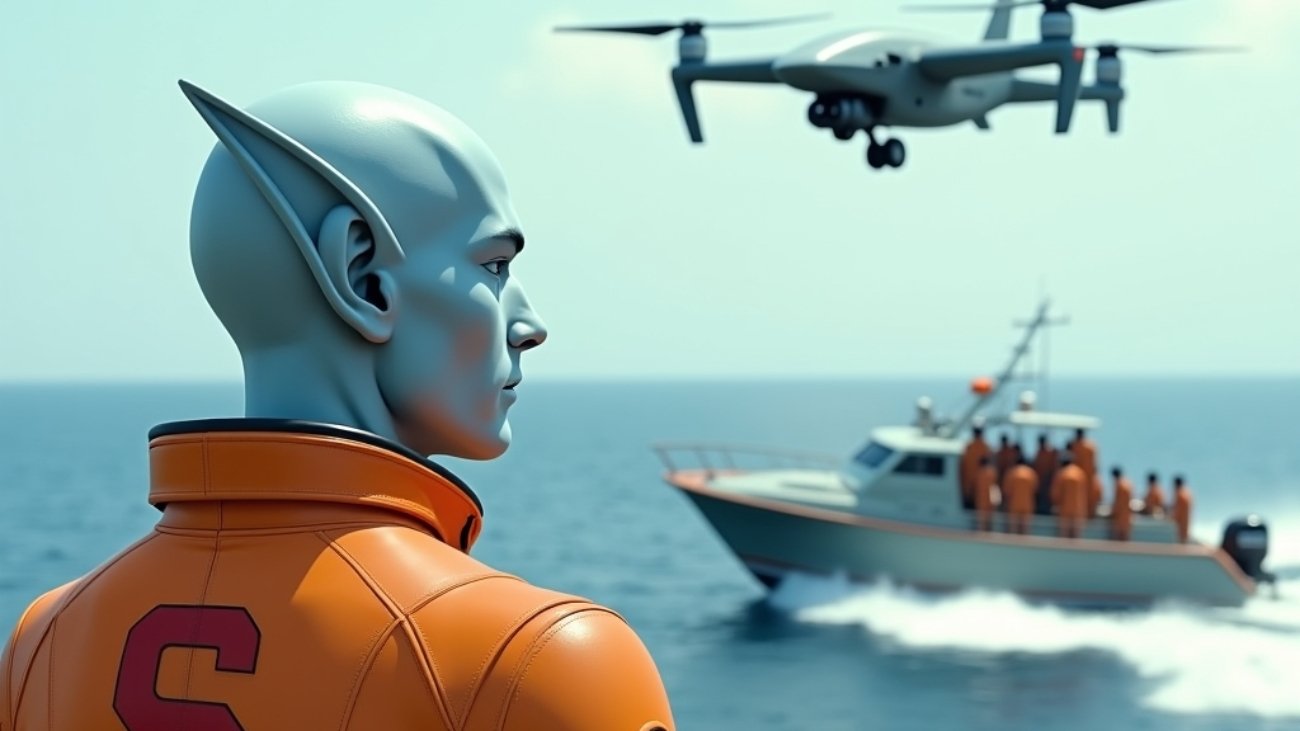
shalzed watches drug boat two

War on Crime: Just Murder or Justice?

War on Crime: Just Murder or Justice?

Was Trump’s decision to declare war on cartels a resourceful tactic or a frightening switch?

shalzed watches drug boat two

War is a temporary legal situation in which the prohibitions of murder and destruction are lifted. Ordinarily it is against the law to kill people- but should war be declared, for the duration of the conflict soldiers may kill one another. As long as they do so in accordance with the laws of armed combat they’ll face no legal repercussions at all.

Declaring war is therefore an extraordinary power, so much so one might wonder how on Earth anyone can possibly be able to do it (on my planet such a thing can’t be done!). But simply as a matter of custom, we accept it as given that governments can in fact declare war and thereby permit murder, arson, and so forth for limited periods of time.

Bringing drugs to the U.S. for sale is a crime. According to Article 11 of the Universal Declaration of Human Rights, anyone suspected of a crime has the right to a presumption of innocence and a fair trial.  Therefore, common practice has always been that should a boat be suspected of smuggling drugs to the U.S., the Coast Guard intercepts it to search for evidence. If evidence is found, those on board are arrested and put on trial. The Coast Guard may only use force in self-defense or if the boat attempts to flee.

However, the U.S. military has recently begun bombing such boats with no warning and killing everyone on board. While this would at first appear to be a gross violation of human rights, President Trump justified this by determining that the U.S. is now at war. Therefore, with regard to these boats murder and destruction are allowed. He has not made clear exactly what gangs or cartels the U.S. is at war with, or how the U.S. military decides if a given boat is connected to those entities.

As a mater of domestic law, it is questionable whether the president can do this without the approval of Congress. But be that as it may, is this a proper use of war?

Trump may argue that drug smugglers abuse their rights in order to enable themselves to commit their crimes. They find ways to destroy contraband before being caught and know how hard it is to construct a legal case against them. And they exploit the vastness of the ocean and the limits on the Coast Guard’s use of force to evade detection, and should they be detected to escape. Illegal drugs cause countless harms, including numerous overdose deaths, and the government has to find a way to stop these drugs from entering the country. Declaring war to enable bombing the boats may be the only way.

But there are many reasons to worry. If the government can declare war other than when it is confronted with an organized enemy carrying out armed attacks, where will it end? Could this war be extended from drug smugglers on the high seas to drug dealers on U.S. soil? Could war be declared against other types of criminals as well? What about migrants illegally crossing the border? Could war on political opponents be next?

Is expanding the definition of war a good way to address problems that have no other, easier solution? Or do we need to constrain the right to declare war as much as possible, due to the immense harm, including harm to innocent people, a declaration of war may lead to? I’m curious to hear your thoughts.

shalzed with spain's un ambassador two

Was the UN Walkout on Israel a Proper Protest or Dereliction of Diplomatic Duty?

Was the UN Walkout on Israel a Proper Protest or Dereliction of Diplomatic Duty?

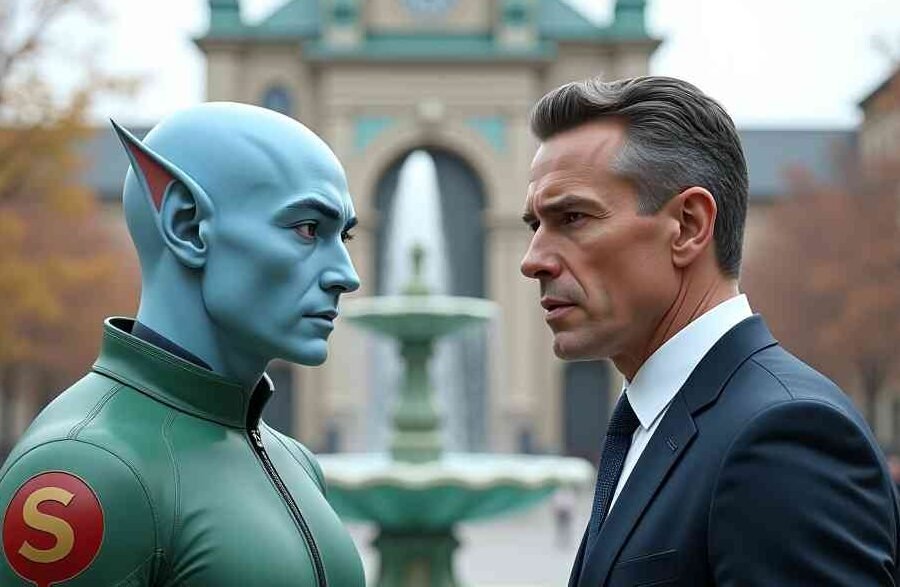
Shalzed catches up with Spain’s ambassador to the UN

When Israel’s Prime Minister spoke recently at the UN, delegates from 70 or so countries walked out. Was this an appropriate protest, or is staying to listen to people we disagree with the better path towards peace and human rights? Shalzed catches up with Spain’s UN ambassador Hector Gomez, a leader of the walkout, to understand his view.

              The Katharine Hepburn garden isn’t much, but it’s nice they bothered to plant anything green in the middle of the midtown Manhattan urban jungle. A sign proudly proclaimed that Dag Hammarskjold Plaza contains 6 fountains and 49 benches. Not quite enough to make you feel like you are out in nature, but you’ve got to give credit for trying.

              I finally spotted Spain’s UN Ambassador. He was walking quickly towards his office on the 36th floor of One Dag Hammarskjöld Plaza, taking the sidewalk instead of detouring through the garden where I was. I guess it’s hard for him to find time to smell the roses. “El Senor Gomez,” I called. He glanced in my direction, then shook his head in surprise when he realized who I was.

              “I thought you’d be working on your wormhole machine, whatever you call it. Glad to see you’ve decided to take a break and enjoy looking at some of Earth’s beautiful flowers,” he replied.

              There’s no way to make any sort of device capable of opening a wormhole with Earth’s primitive technology, but no point in trying to explain that to him. “Let me guess, someone said something you disagree with, and that’s why you’re leaving in the middle of the afternoon,” I said.

              “I disagree with most of what goes on in there,” he said, pointing at UN headquarters at the end of the block. “But I’m heading to a meeting about the new independent panel on artificial intelligence. You know I was instrumental in getting that passed.”

              He co-chaired that committee with the ambassador from Costa Rica. “So it’s only Bibi Netanyahu you walk out on? Anyone else you disagree with it’s not such a big deal?”

              He crossed his arms. “I think genocide is something we all have to stand against, don’t you? Or on your planet is genocide not a problem?”

              “So let me get this straight- Israel is the only country you feel compelled to take a stand about? North Korea, with its vast forced labor camps, restrictions on information so harsh citizens are punished for years just for watching a foreign movie, and where citizens are forbidden to emigrate and border guards are instructed to shoot anyone trying to sneak out doesn’t require taking a stand? Iran, which oppresses women, disappears and tortures dissidents, and has executed over 1000 people in just the last nine months doesn’t require taking a stand? What about Russia, which not only invaded Ukraine but now brazenly attacks civilians in Kiev with drones every night? Officials from all those countries spoke at the UN last week without any sort of walkout.”

              A young man with a backpack covered in Bernie Sanders stickers had paused near us, listening to me. “The UN is one big joke,” he said loudly. “Somebody should kick them all out and use the building to house the homeless.”

              “This guy doesn’t want to lose his job,” I told the young man, gesturing towards Gomez.

              He suddenly looked embarrassed. “Do you. . .” he began.

              “He’s the ambassador from Spain,” I said.

              “Hola. Mucho amigo,” the man said. Hector Gomez laughed and the guy started to walk away.

              “So why only Bibi?” I asked Gomez again, anxious to hear his answer to that.

              He swallowed. “Look, you can’t justify a crime by saying there are also other criminals out there the same or worse. Right now the situation in Gaza is our main focus.”

              “It’s your main focus?” I asked.

              “My government is working with other countries across the European Union to bring an end to genocide and implement a peaceful two-state solution.”

              “Is that so?” I asked again.

              Gomez gave me a quizzical look. “Of course. The European Union is considering many measures to pressure Israel, and I personally have made many statements. . . ”

              I cut him off. “So when Bibi was at the UN, why did you walk out of the room?”

              He frowned. “To show that his government’s conduct. . . ”

              “With Bibi at the UN it would have been a great chance for negotiations,” I interrupted.

              “By walking out I wanted to make a statement. . .” he began.

              “Help me understand. Is the entire purpose of your United Nations to provide a place for people to make statements?” I asked. “Or is it supposed to be about dialogue intended to maintain peace and security?”

              “Dialogue for peace and security,” Gomez dutifully replied.

              “So why didn’t you stay in the room and listen carefully to Bibi? That would have helped you better understand his positions so you can help come up with an agreement to end the war that is acceptable to both sides. How can you do that if you walk out?”

              Gomez clicked his tongue. “Everyone knows already that Bibi is against a Palestinian state.”

              “You just told me a moment ago you are working to bring about a two-state solution. Why are you doing that if it’s hopeless?”

              Bob Rae, the Ambassador from Canada, had noticed our conversation and stopped by. “Nothing is ever hopeless,” he interjected.

              “We have to bring pressure on the Israeli government,” Gomez began.

              “You do good work,” I told Rae.

              “Thanks,” he said with a smile. Then he turned to Gomez. “I just want to let you know I support you on AI. Now I have to run to a meeting.”

              “And I have to get to my meeting as well,” Gomez said to me as Rae started off.

              “Peace will only come when people talk and begin to understand one another,” I said to Gomez. “What kind of example do you think it set when you walked out of the room? Especially with all the hate that’s accompanied the Gaza war. When people see even diplomats disrespecting one another and refusing to listen to each other’s speeches, why should they make an effort to have honest dialogue and try to understand the other side?”

              Gomez sighed. “Sometimes you have to take a stand,” he replied, turning to walk back to the sidewalk, out of the garden.

              “Fine, but if your stand is against listening how will there ever be progress?”

              “Let’s hope there’s a new peace deal soon,” Gomez called over his shoulder as he walked away.

              “I hope so too,” I said, even though he was probably too far away to hear. I thought about heading over to the United Nations, but for what? After the high level event last week, right now over there it’s mostly down time. But I’d already spent enough time in the Katharine Hepburn Garden- it isn’t much of a sight.

              I figured as long as I was in New York I’d go visit the Earth and Space Center at the American Museum of Natural History. I’m curious about the other planets orbiting Earth’s star, and I can find out a little more about the propulsion technology humans have so far invented. I’m not expecting much, but maybe there’s something I can adapt and do something with. I don’t expect to be able to travel all the way home, but I’d love to get out into nearby space at least a little bit.

Subscribe to Receive Shalzed's adventures in your inbox

Discussion Questions:

  1. Canada’s UN Ambassador, Bob Rae, did not participate in the walkout. He was quoted as explaining:

“My job is to listen to other people. . . In many cases, listen to people I don’t agree with. I’ve listened to, I don’t know, (Russian Foreign Affairs Minister Sergey) Lavrov, I’ve listened to the Russian Ambassador on Ukraine. I don’t agree with a word he says, but I listen to him, and I think that’s part of what diplomacy is all about.”

Do you agree with Rae, or with Gomez who participated in the walkout? Is it ever appropriate for diplomats to walk out on a UN speaker?


2. Why did Rae and his 70-odd colleagues target only Israel’s Prime Minister for a walkout? After all, every country commits human rights abuses. What prevents double standards or hypocrisy in these protests?

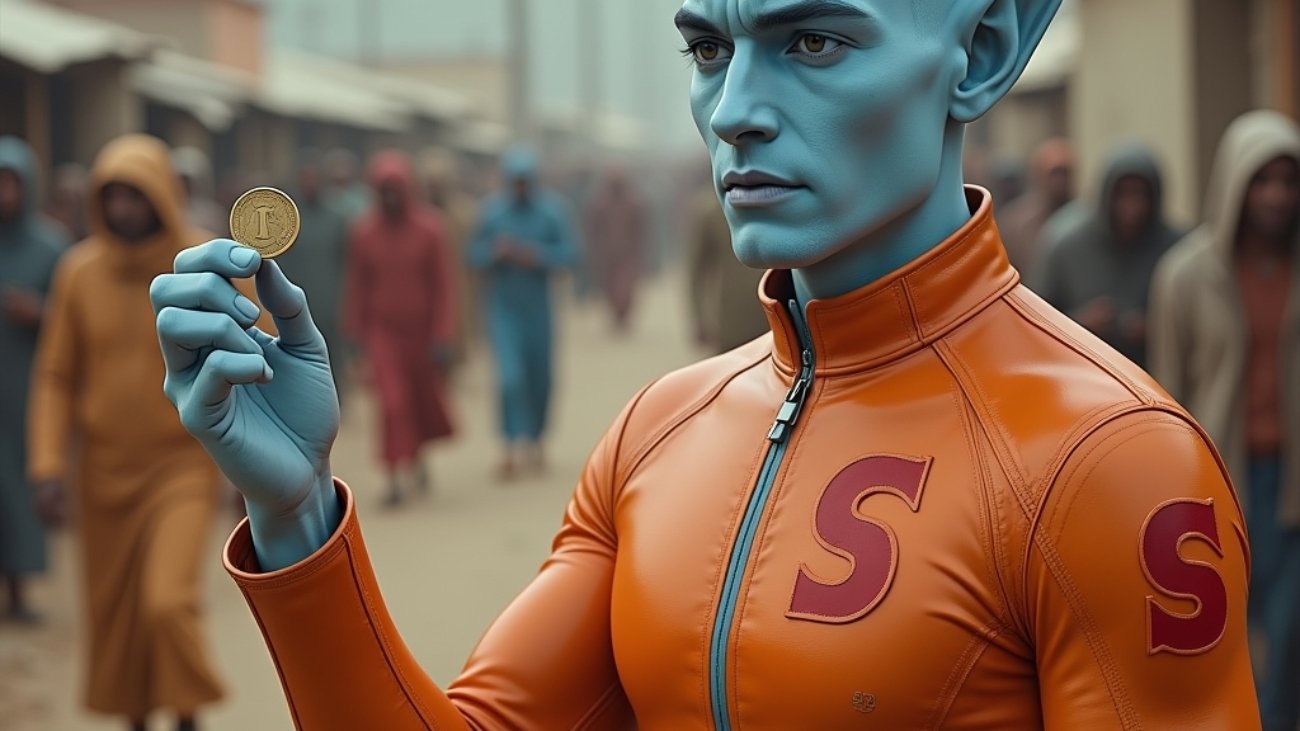
shalzed small coin

Is a Nickel All The World Can Spare?

Is a Nickel All The World Can Spare?

Is $100,000 for Haiti fair or an insult?

shalzed small coin

Let’s say someone has no money for food, clothing, or shelter, and so for lack of other options is forced to turn to friends and family for support. And a cousin living close by, by no means rich but also definitely not poor, decides to help out by giving only one nickel. Should the recipient say thank you, because even though a nickel is hardly anything, the cousin was under no obligation to give at all? Or does the recipient have a right to be angry and indignant that their relative didn’t assist in a more substantial way?

Haiti is one of the gravest, ongoing human rights disasters currently taking place. It is plagued by gang violence and a lack of law and order. According to a UN report released last April, more than 1 million people have been displaced from their homes, often multiple times. Half of the population, approximately 5.5 million people, face acute food insecurity and two million are suffering emergency levels of hunger.

For the last year or so, a multinational security support team, led by Kenya, has deployed to help Haiti’s police. It faces many challenges, high among them a lack of funding. In general, both the United Nations and NGO’s have struggled to raise sufficient funds for both humanitarian and security assistance for Haiti, and there have been numerous pleas for more aid.

This week Mexico announced a donation to help fund the multinational security mission to Haiti. Mexico declined to state the sum, but news reports based on documents available from the United Nations placed the amount at $100,000 U.S. dollars.

It’s of course unfair to single out Mexico, as many other countries have either refused to contribute at all or made very limited contributions. But to put this sum into perspective, note that in 2024 Mexico’s defense spending was $16.7 billion U.S. dollars. The total expenditures of Mexico’s government were just over $200 billion U.S. dollars. This means the Haiti contribution was 0.0006% of Mexico’s defense spending, and 0.00005% of spending overall. In other words, a proverbial nickel. It’s fair to assume that if Mexico had been inclined to do so, it could have come up with a little more.

Of course, Mexico can say that it has its own problems, including the fact that in spite of recent reforms one third of its citizens still live in poverty. Why should any country devote its limited resources to helping solve problems abroad, while it has its own population to care for?

But there are valid reasons why countries should assist. Humanitarian catastrophes have a way of spreading, as desperate citizens attempt to escape and become refugees elsewhere. It may be cheaper, more politically palatable, and also achieve better outcomes for the affected population to invest in resolving a humanitarian crisis abroad rather than having to absorb a tidal wave of refugees later.

Second, there may be a straightforward human rights imperative. When millions of people are hungry and displaced from their homes, with no government to provide them security or any assistance at all, the whole world may be called upon to act. If governments do this, it necessarily means sacrificing spending on some domestic priorities. But is that what a commitment to universal human rights demands?

What do you think? Are countries obligated to help generously when foreign populations suffer a humanitarian crisis? Was Mexico’s small donation insufficient? Or are countries entitled, or perhaps even required, to prioritize their own needs first, and Haiti should consider itself lucky to get any foreign aid at all? I’m curious to hear your thoughts.

shalzed watches plane take off

Our Hands are Tied: When Countries Outsource Human Rights Violations To One Another

Our Hands Are Tied:

What Can We Do When Countries Outsource Human Rights Violations to One Another?

shalzed watches plane take off

Last week the United States government deported five citizens of Nigeria and the Gambia to Ghana. While at first glance this might not seem remarkable, it endangered their lives while at the same time triggering a frustrating court case that highlights the limits of both domestic and international law. (Here are links to news coverage from Politico, and the actual decision.)

Unlike other illegal immigrants, the U.S. could not legally deport the five men at the center of this case to their home countries. This is because they had won in U.S. courts what is called ‘fear-based relief.’ This means that a judge decided that ‘more likely than not’ they will face persecution, torture, or death should they be sent back home.

This does not grant them the right to stay in the U.S. indefinitely or mean that the U.S. cannot remove them, only that if the U.S. wants to remove them it has to be to a third country where they don’t face these fears. And usually that is very difficult to arrange, since countries are not keen to accept deportees who are not citizens.

But the Trump administration got Ghana to take them, and the U.S. also got Ghana to write what’s called a ‘diplomatic note’ stating that Ghana would not torture these individuals or send them to a place where they would be tortured. This made removal of these five men to Ghana, even though they have no connection to Ghana whatsoever, no friends or family there, and no access there to help, legally okay.

Then it turns out the conditions of this diplomatic note were not followed, or perhaps that Ghana’s supposed commitment not to send these people to a place they face torture was even a sham from the start. The five individuals allege that already while they were on the plane to Ghana, ICE officers told them they were going to be taken from there to their home countries. One of the five was in fact returned to his home country the day after his arrival in Ghana, and Ghana authorities have stated that the same will shortly be done to the remaining four as well.

These five men sued for relief in a U.S. District Court, claiming the U.S. government was violating the protection they had been granted by U.S. courts against being returned to their home country. The judge wrote she was ‘alarmed and dismayed’ by the government’s actions, but reluctantly denied their request. She said the reason is that judges cannot evaluate or second guess diplomatic agreements such as the one between the U.S. and Ghana, as that would be an intrusion into foreign policy. And now that the men are in Ghana, she has no jurisdiction to tell the government of Ghana what to do. In other words, she wrote in conclusion, her hands are tied.

The question therefore becomes, what is the solution? In a world divided into nearly 200 independent, sovereign countries, what can stop a government from using another country to easily get around whatever domestic legal restrictions it wants to evade? Since every country’s judicial system only has jurisdiction over its own territory, it seems quite simple for governments to get around their judiciaries by outsourcing whatever dirty deeds they want to commit to each other. This is particularly true for powerful countries such as the United States, which can offer money or other incentives for smaller countries to do its bidding.

The obvious answer would be to dream of some world body in charge of enforcing the law, but there does not seem to be any scenario by which that could be created. There is also plenty of reason to worry that some powerful new organization with jurisdiction over the whole world would end up being biased and corrupt, no matter how good the intentions behind it.

So is the only answer to hope that citizens don’t like their government circumventing the courts to violate human rights and vote out governments that do this? It may turn out that these sorts of things are a low priority for voters, and even at best that’s a long term process which offers no help to the five people whose rights are being violated now. Is there any other answer? I’m anxious to hear your thoughts.

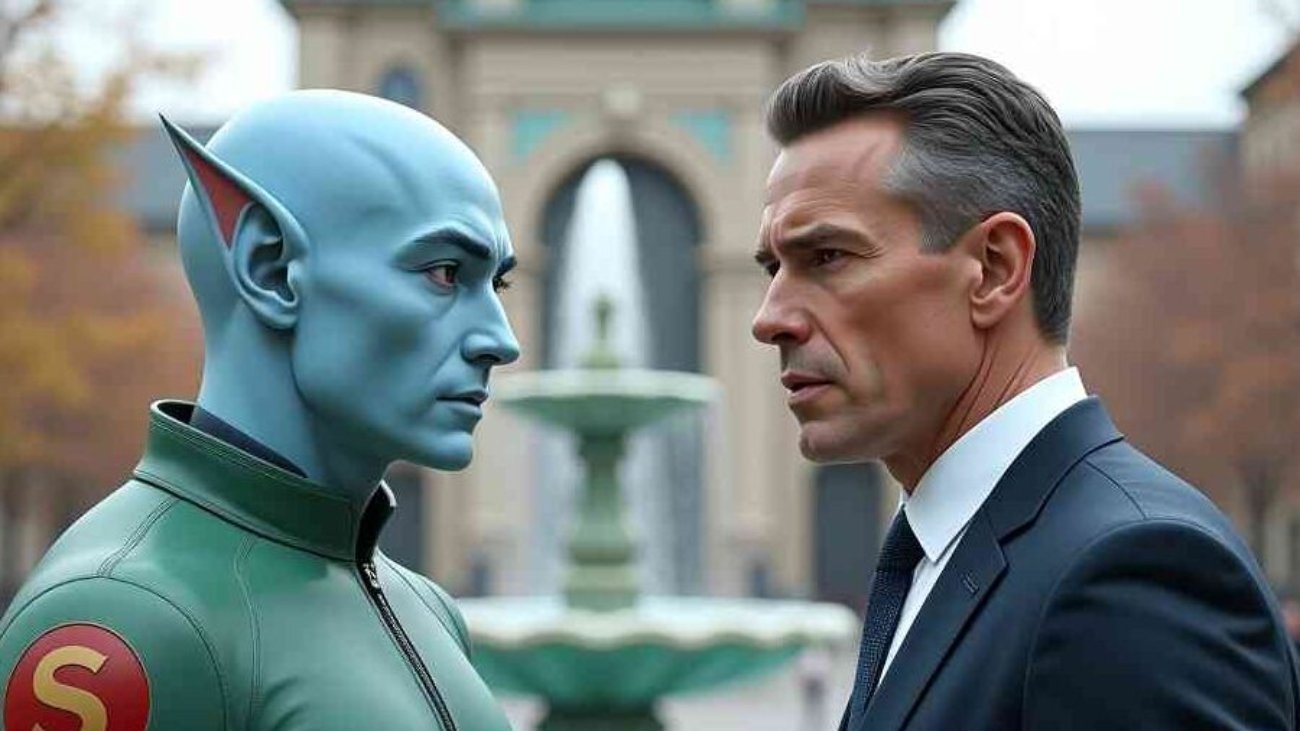
robege by tourny fountain smaller

Punished for Prayer?

Punished for Prayer?

Shalzed speaks with Quebec minister Jean-Francois Roberge about new law to forbid praying in public

Quebec recently proposed a law forbidding prayer in public places. Shalzed catches up with that province’s Minister of Secularism Jean-François Roberge to find out how he doesn’t see this as a violation of religious rights.

I waited outside the Hôtel du Parlement du Québec, watching water flow through the Tourny Fountain. I have no idea why the fountain has so many elaborate carvings of fish. On my planet there are very small oceans, so everything to do with marine life is foreign to me.

An English speaking family rode by on the kind of bicycles you rent from automatic docks by the minute. I assumed they were from South of the border. In Montreal it’s common to hear English, but not all the way up here in Quebec.

“Bonjour,” I called as Jean-Francois Roberge approached, striding quickly on his way towards parliament.

He nodded and waved at me without slowing down. Roberge has only been in politics for about ten years, when he gave up life as a teacher to serve the proud people of Chambly in Parliament. But evidently that’s been plenty of time for him to get good at brushing people off and to learn to make himself look busy. “Oh father in heaven, may you appear before us and spread your blessings far and wide like insecticide from a crop duster,” I began.

Now he slowed down. “Shalzed?” he exclaimed.

“Sorry, I’m in the middle of a prayer,” I said. A young Muslim couple, just finished taking a selfie in front of the fountain, gave me a funny look.

Roberge rolled his eyes. “I’m sure you’re not praying. There must be no religion where you come from.”

That was true. On my planet we have nothing comparable to what humans call religion, and we have long since disproved the existence of any sort of supernatural power. “Okay, you’re right. But I was exercising my right to pray. Before you pass a law telling all citizens of Quebec what they must and must not believe in.”

Roberge gave me what I’d best describe as a snort, probably how he used to react when a middle school student got sassy. “No one is going to tell Québécois what to believe. And people can still pray, just not in public. I think that’s very fair.”

The Muslim couple took a few steps, but lingered by the fountain. I had the feeling they were listening. Fine with me. “And here I thought freedom of religion was a fundamental right,” I said to Roberge. “Isn’t it even in the Universal Declaration of Human Rights, or am I mistaken?”

“Absolutely,” Roberge agreed.

Smart, because I knew I was not mistaken. “So I’d say prayer is pretty fundamental to freedom of religion. And your new law tramples that right.”

“Not in the slightest,” Roberge said. “Here’s an example. People have the right to have children. But you don’t do it in a public park, you do it in your bedroom.”

The Muslim woman who was listening smiled, while the man she was with started laughing. “That’s ridiculous,” I said.

“The point is that people praying is not the sort of thing we want to see in Quebec,” Roberge said. “Whoever wants to pray is welcome, but do it in your church.” He noticed the Muslim couple and added, “Or mosque, synagogue, or whatever you call it. But prayer is not what public places should be used for.”

“And what’s so bad about prayer? Does it hurt someone?” I asked, genuinely clueless as to why he was so adamantly opposed to displays of religion in public.

A man wearing a dirty T-shirt advertising the dates and cities of some long ago concert tour and sneakers held together with masking tape walked straight up to Roberge with his palm extended. Roberge glanced at me and also the Muslim couple, then took out his wallet and handed the man a loonie. I thought the man would come to me next, but instead he walked right past me and went to the Muslim couple.

“Are you going to make a law against asking for money? I assume the site of needy people begging is not something you want in Quebec either,” I asked Roberge.

“Those are completely different things,” Roberge said as he put away his wallet.

“Really?” I asked.

“Absolutely,” Roberge said as he folded his arms across his chest. “There are facilities specially designed for prayer. Churches and the like. So there is absolutely no reason why people should be allowed to take over public places being used by others in order to do it. For beggars, there is nowhere else they can go.”

The Muslim woman gave the man a coin from her purse. Then he headed away, in the opposite direction of Parliament, towards the Plains of Abraham park.

“I’m curious,” I asked Roberge. “Let’s say there is yoga in the park, and it begins with meditation. Will that be forbidden as public prayer? What if there’s a picnic, and someone says grace or a blessing over the food?”

Roberge swallowed. “The law will be enforced sensibly,” he said. “The police will only issue tickets where the prayer is a major or prominent part of a gathering’s purpose.”

“Sounds pretty subjective to me,” I said.

The Muslim woman walked closer, pulling her partner along. Roberge seemed to resign himself to the fact that there was no tactful way he could avoid her. “How do we know you won’t enforce the prayer law only against Muslims?” she asked.

Roberge waved his hand. “The government of Quebec would never do such a thing,” he said. “This law will apply equally to everyone.”

The woman laughed. “That’s very hard to believe, since the fact that you don’t like the prayers at the rallies for Palestine is what got this all started,” she said.

Roberge cleared his throat. “I need to be going,” he said. He pulled out his phone like he was checking a message.

“So you think it’s alright to take away people’s freedoms in public, as long as they can still exercise those same rights at home?” I asked him.

Roberge shook his head. “People absolutely have the right to pray, but only in their home or in their house of worship. Anything beyond that is an attempt to impose religion on others,” he said. “Now I have to head straight to the Salon Rouge.” He put his phone back in his pocket and started to walk away.

“À la prochaine,” I said, feeling certain that with Roberge’s aggressive secularism I’d be back to see him soon.

He waved a hand at me. “Good luck finding a way back home,” he said. “So then you’ll leave us alone.”

I caught the eye of the Muslim woman and we exchanged a smile as Roberge walked away. “Why is your skin blue?” the man she was with asked me.

I shrugged. “I’m just a little different. You see, we’re both minorities.” I don’t like giving humans too many details about my planet so I started towards the park. The couple did not follow.

I wanted to tour Quebec’s old city, so I decided to rent one of those pay per minute bikes to get around and I spotted a kiosk nearby. As I approached, two women wearing long dresses and carrying signs saying that two questions could determine if I was going to heaven or hell asked me whether I owned a copy of the Bible. I told them no, and so they shook their heads and offered me a pamphlet summarizing the teachings of Jesus. I decided to walk to another kiosk rather than be stuck with them watching me while I tried to figure out how to rent a bike.

I wondered if Roberge’s next law would forbid people like this from passing out religious literature in public. That might remove a minor inconvenience, but I hope he doesn’t do it. There’s an awful lot it’s worth putting up with in order to preserve freedom and rights.

Subscribe to Receive Shalzed's adventures in your inbox

Discussion Questions:

  1. Is a prohibition on public prayer a violation of citizens’ religious rights, even if prayer is still allowed at home and in houses of worship?
  2. If public prayer is forbidden, what stops a government from defining prayer or enforcing the law selectively in a way that discriminates against disfavored religious groups?
shalzed watching ship fire gun

Low Standards on the High Seas

Low Standards on the High Seas

Was blowing up a boat of drug smugglers alright?

shalzed watching ship fire gun

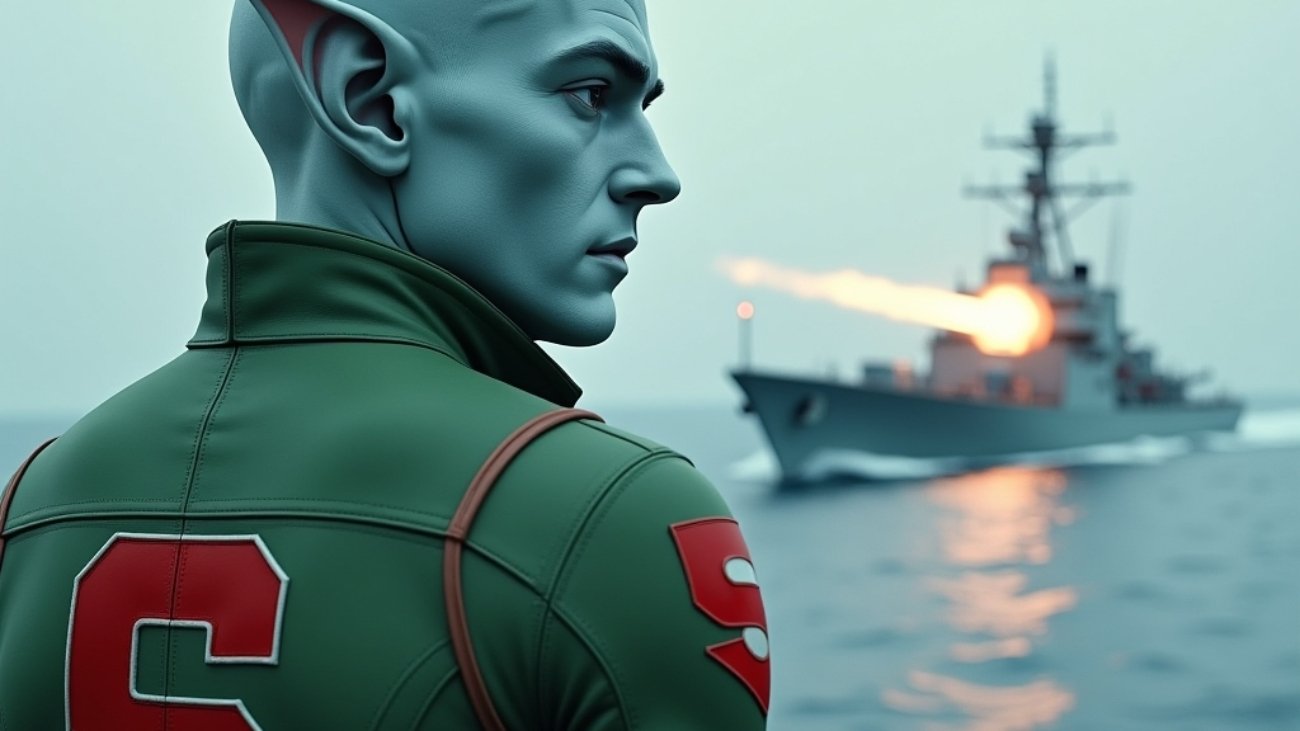
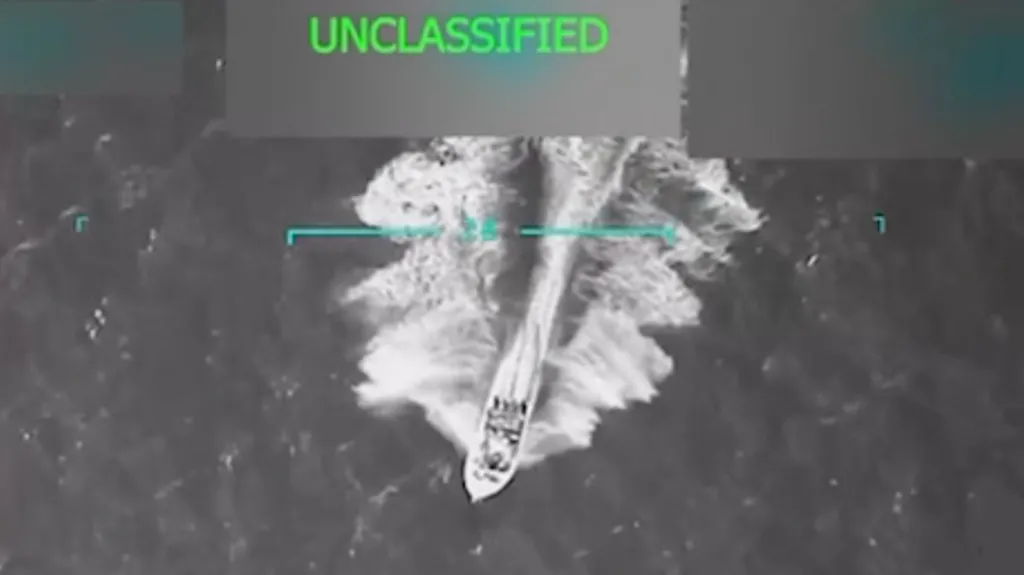
Wednesday, Sept. 2nd, the U.S. military attacked a boat in international waters in the Caribbean. The U.S. claims the boat was smuggling drugs into the country, and as a result of the attack all eleven people on board were killed.

How does this U.S. attack fits into human rights and humanitarian law. Was this legal on the part of the U.S.? Was it wrong for the U.S. to do? Or does it show flaws in the international legal system? Explore below.

Image of the boat moments before the attack released by Donald Trump on Truth Social. Trump claims 'bags of drugs were all over the boat' but that does not seem to be clear from any of the photos.

Image of the boat moments before the attack released by Donald Trump on Truth Social. Trump claims ‘bags of drugs were all over the boat’ but that does not seem to be clear from any of the photos.

Criminal Law

The U.S. government certainly can make it a crime to import drugs and to punish anyone who tries to do so. However, Article 11 of the Universal Declaration of Human Rights begins:

Everyone charged with a penal offence has the right to be presumed innocent until proved guilty according to law in a public trial at which he has had all the guarantees necessary for his defence.


In other words, if this was a boatload of criminals they would have to be arrested and put on trial. A trial is particularly important because the government has not offered any evidence that these were drug smugglers, and the fact that 11 people were on a boat that could easily be crewed by just 2 or 3 points to this being some sort of human trafficking ring and not drug smugglers at all. So before punishing the people on the boat, a judge or jury would have to be convinced that they really were smuggling drugs.

If U.S. authorities had attempted to stop the boat and it had responded by trying to flee, or by firing on the U.S. ships, that would have been a legal rationale for use of force. But in this case it does not seem the U.S. even made an attempt to apprehend the boat. Instead, U.S. forces just destroyed it with no warning.

Any scenario in which a U.S. President unilaterally declares a group of people to be drug smugglers and orders them killed with no judicial oversight is a violation of human rights. The good news is that at least as of now I don’t believe that even the Trump administration is claiming the right to do this.

Self-Defense

The U.S. claims the boat did not contain just random individuals smuggling drugs for their own personal financial gain, who would have to be treated as criminals, but rather it was operated by the Tren de Agua gang. The administration has labelled Tren de Agua ‘narcoterrorists’ and claim the gang is a threat to the United States.

This leads a claim of self-defense. For example, U.S. Secretary of State Marco Rubio was quoted as saying, “These are organized, corporate, structured organizations who specialize in the trafficking of deadly drugs into the United States of America. They pose an immediate threat to the United States. Period.”

However, this assertion may not survive legal scrutiny. The internationally recognized right to self defense is codified in Article 51 of the UN Charter, which reads:

Nothing in the present Charter shall impair the inherent right of individual or collective self-defence if an armed attack occurs against a Member of the United Nations. . .

Is drug smuggling an armed attack? It’s hard to see how. In fact, it would seem like the phrase ‘armed attack’ was carefully selected to exclude criminal activity and make clear that states can invoke a right of self-defense only against military attacks, not criminals.

Of course illegal drug use causes tremendous suffering, economic loss, and deaths. But so do many other societal ills. The fact that something is harmful (or even criminal) doesn’t mean the government has a right to resort to extrajudicial killing to defend us from it.

Armed Conflict

The U.S. government, with its rhetoric about the ‘war on drugs’ and labelling Tren de Agua as terrorists, makes it seem as though it is engaged in what would be called a ‘non-international armed conflict’ with the gang. In armed conflict it is permitted to attack enemy combatants without warning and without judicial process, as happened here.

However, there are some major issues. First, it’s not clear that Tren de Agua is really a ‘non-state armed group’, or even if it is that the U.S. is currently at war with it. That would hinge on a lot of factual questions about Tren de Agua’s size, level of organization, armaments, and activities which are hard to answer.

But even so, it’s not clear that even in the context of an armed conflict it would be legal to blow up the boat. In armed conflict it is only permitted to target enemy combatants. Even if the boat was smuggling drugs, and the drug money was used to fund the war, drug smugglers would likely still be viewed as civilians. They would seem to be just like enemy citizens who even though they may play a role in enabling the military effort are still not part of the military themselves. The U.S. might allege that in this war, drugs are a weapon, but that’s very hard to justify. By similar logic countries could say that information is a weapon so journalists or bloggers are targets, or the like.

Questions

So I end with two questions. First, was the sinking of this ship somehow justified under international law, or was it an illegal act of violence?

Second, how important is it that military actions such as this comply with international law? Even if this sinking was illegal, there wouldn’t seem to be any consequences, and for many years the U.S. has struggled mightily to stop the flow of drugs. If sinking a few boats will help keep large quantities of deadly drugs off U.S. streets, is it worth it? If international law doesn’t provide an affective path to stop drug smugglers is the U.S. entitled to just do what it seems necessary? While perhaps in we all benefit from living in a world based on law and rules, since these international laws are seldom followed, never enforced, and exploited by criminals is it okay for countries to sometimes just not follow them?

Notes

  1. For more discussion of these issues in the media, see this analysis on ABC News and this article on the BBC. For a more scholarly treatment, see this piece on Just Security.
  2. A separate legal question was whether Trump was within his authority to carry out this attack without authorization from Congress. Since that is solely a U.S. domestic matter it is not addressed here.
shalzed watching ambulance

Would Restricting a Right Save a Life?

Would Restricting a Right Save a Life?

Rethinking freedom of information in an era of copycat shootings

The public naturally wants to know more about the shooter who killed 2 and wounded 17 others Aug. 27th at a Minneapolis Church. And according to the Universal Declaration of Human Rights, the freedom to seek and receive that information is their right. However, media coverage of the shooter’s life, beliefs, manifesto, and guns may have the perverse effect of encouraging copycat shooters. This week Shalzed asks, as mass shootings continue does Earth need to restrict freedom of expression some more?

shalzed watching ambulance

On Wednesday, Aug. 27th a gunman killed 2 and wounded 17 others at a school church in Minneapolis. As with previous mass shootings, an outraged public immediately wanted to know who would do something like that and how someone with a mind to commit such a crime had access to the necessary guns.

The shooter was quickly identified as Robin Westman, a former student at the school. It turns out Westman had left behind what the media quickly labelled a manifesto. It contained numerous grievances and racist slogans (a video is here, a written description here .) The manifesto also revealed a dark obsession with previous school shooters, in particular Adam Lanza, the perpetrator of the Sandy Hook Massacre.

This raises a chilling reality: The widespread publicity surrounding a school shooter may help encourage the next one. When an individual such as Westman or Lanza, who was otherwise unknown, is instantly transformed into a focus of public attention, such that their motivations and personal struggles are broadcast to the world, along with the methods they use to carry out their crime, it creates a perverse incentive for other similarly positioned individuals to do the same.

For many years there has in fact already been a movement asking the media to voluntarily refrain from giving undue attention to shooters and to focus on their victims instead (see here and here for coverage.) But based on a simple Google search yesterday for ‘Robin Westman’, it seems this has not achieved much success. Also, the rise of blogs and online news sites means that setting consistent media standards is becoming impossible. Some government imposed censorship would seem to be the only way to bring this about.

However, any legal attempt to limit information about the shooter runs into an immediate problem. Article 19 of the International Covenant on Civil and Political Rights states:

Everyone shall have the right to freedom of expression; this right shall include freedom to seek, receive and impart information and ideas of all kinds, regardless of frontiers, either orally, in writing or in print, in the form of art, or through any other media of his choice.

This means that if the public wants to know the name, appearance, mindset, upbringing, political, and racial views of the shooter, access to this information is their right. In the U.S., this is protected as a constitutional right as well.

And of course there are valid reasons why the public might want this. To evaluate police performance, push for changes to legislation, or to be better on guard in the future all come to mind.

But shouldn’t there at least be a discussion about whether the danger of encouraging copycat shooters outweighs the benefits of making details about the shooter public? Would a restriction on publishing flattering, happy, or childhood photos of the shooter really be too much of a violation of the public’s right to information if it could help stop mass shootings? Would a ban on long profiles of a shooter’s mental health struggles and political grievances be too much to ask, if this can help increase safety for the future?

It should be noted that while there are already several exceptions to the right of freedom of information, none of them seem to be at all relevant here. But is that a mistake? Do further limits on the right to freedom of information need to be considered? I’m anxious to hear your thoughts.