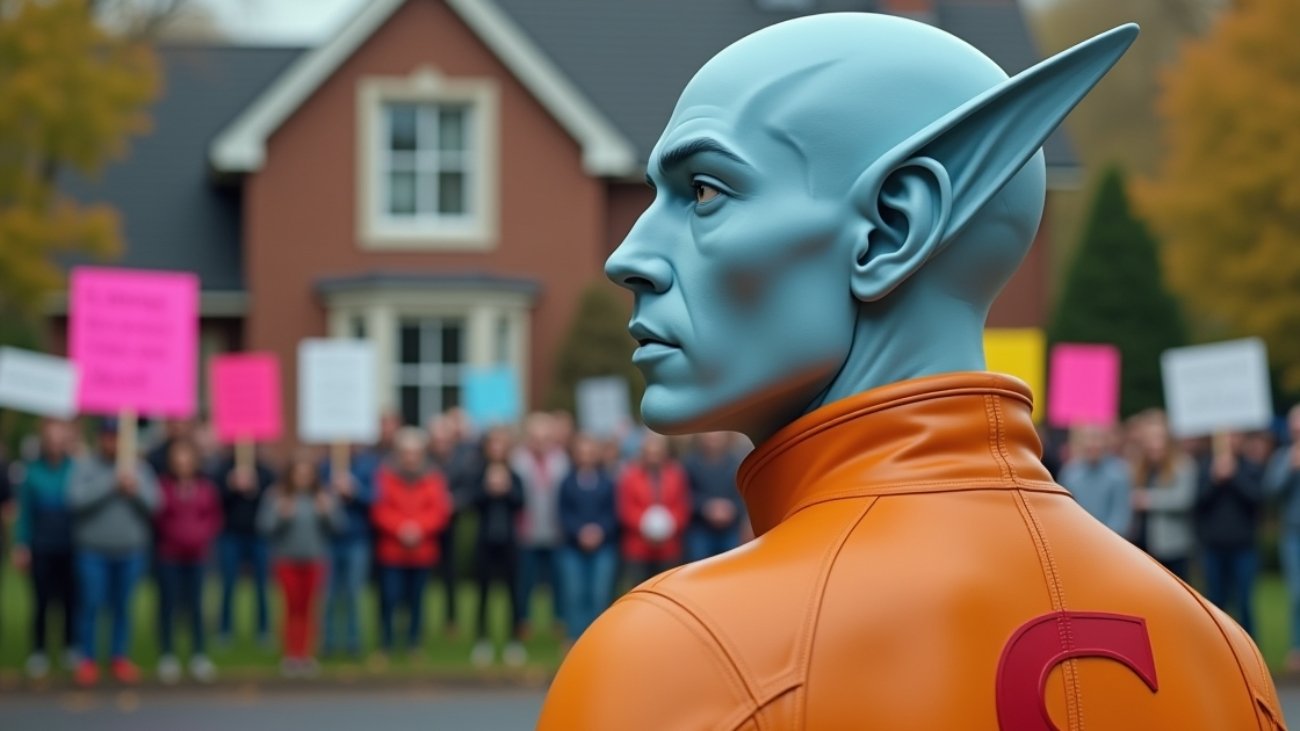
shalzed home demonstration

The Right to Be Heard — Even From Outside the Kitchen Window?

The Right to Be Heard — Even From Outside the Kitchen Window?

Shalzed investigates a new law criminalizing protest outside homes
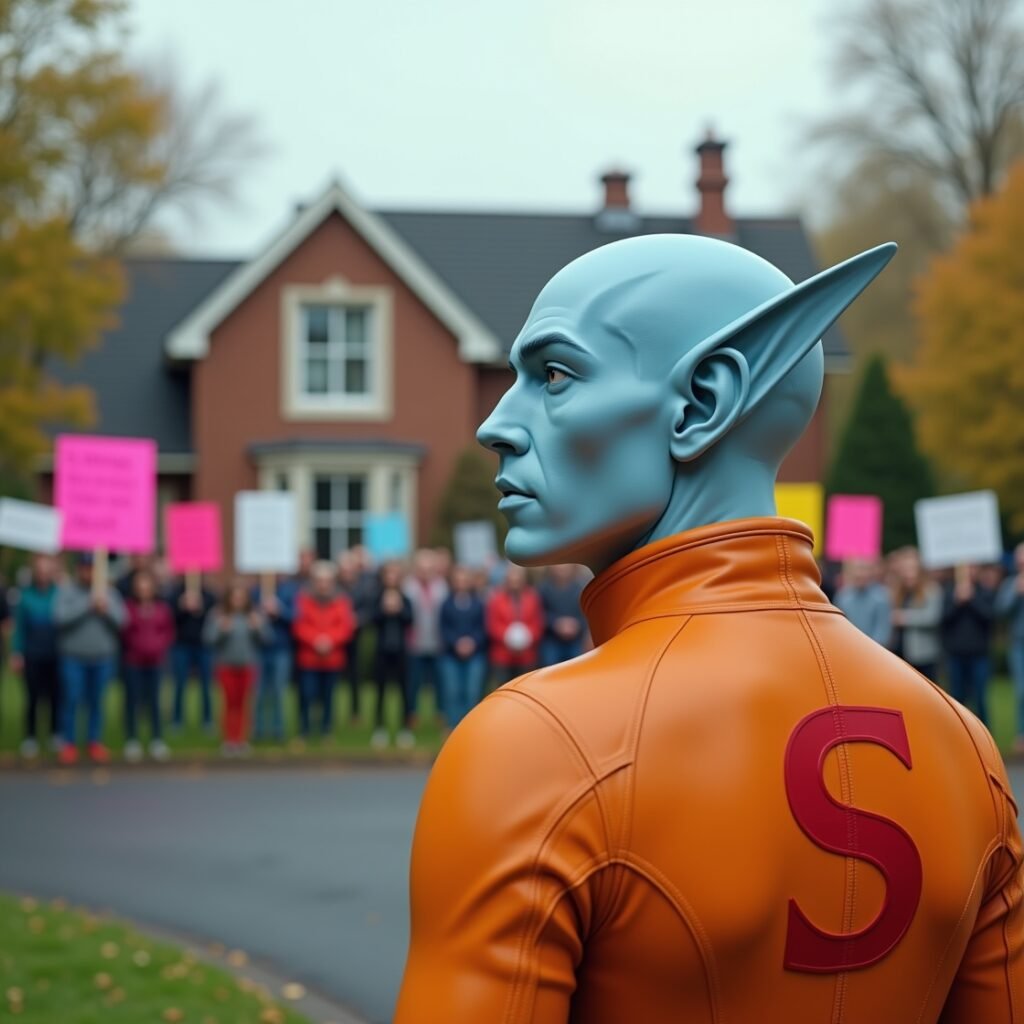
shalzed home demonstration

On Aug. 15th New Zealand’s Justice Minister Paul Goldsmith introduced a law making it a crime to protest outside a home. Shalzed visits Auckland to find out whether this is respect for people’s right to privacy, or a step towards taking away the freedom to demonstrate and express political opinions.

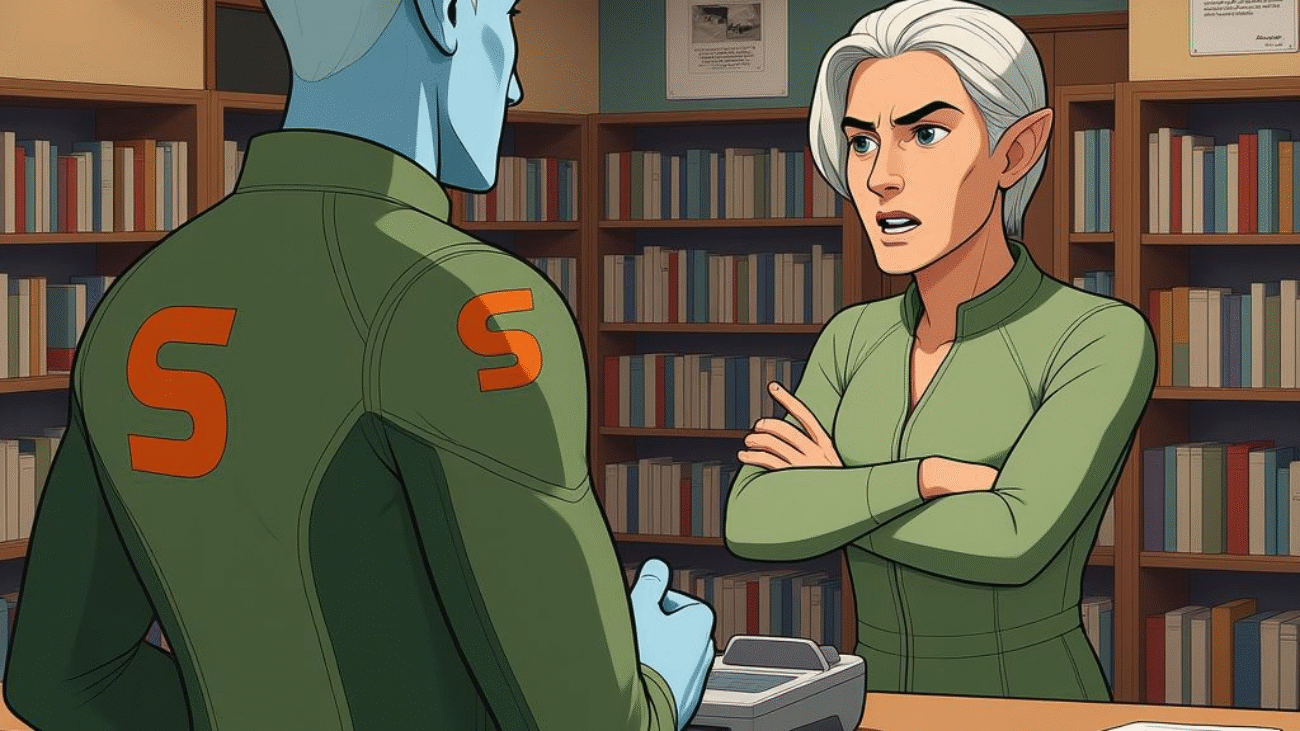
I felt a little out of place hanging around in front of Paul Goldsmith’s house. A few cars slowed  as they drove by, trying to figure out whether I belonged in their neighborhood or maybe just curious about my pale blue skin. And I have to admit, here on Earth I do stand out. I wondered if any of them might call the police.

I thought of taking a seat in the rocking chair on the porch. It would be more comfortable, and I’d also be less visible from the street. But that would be trespassing- not a good idea for a law-abiding, rights-respecting citizen like me.

A black sedan with tinted windows finally pulled into the driveway. Goldsmith lived in an older house with a detached garage, meaning that after parking his car he would have to come back out. He noticed me as he pushed the garage door button. “Shalzed?” he called. “What are you doing in New Zealand?”

“Since I’m from the other side of the galaxy, a little more travel isn’t a problem,” I told him. Of course I came to Earth in a wormhole, which takes absolutely no time to cross. Primitive airplanes are nowhere near as convenient.

“So what do you want?” Goldsmith slung his briefcase on top of a green plastic recycling bin and put his hands on his hips.

“To protest,” I told him.

He gave me a funny look. “For what, the farmers?”

“No, I just want to be able to protest,” I told him. “Before your new law takes effect.”

Goldsmith waved his hand. “Give me a break. It only forbids protests outside of people’s homes. If people want to make a public statement they can go to the park. They can march down the street. What’s the problem?”

I didn’t come all the way to Auckland just to listen to that sort of B.S.. “Really? And how long will it be now until you make a law against protests in the parks also? Don’t joggers deserve not to be disturbed too?”

“That’s absurd. The only point is that people have a right to privacy in their own homes. How would you like to have dozens of people right outside your door waving signs and chanting slogans each evening?”

“Well the whole point of a protest is to draw attention,” I told him. “Protesting is worthless if you can only do it at a faraway place no one sees.”

A woman wearing a red apron with a picture of a kiwiburger stepped out of the house. Probably Melissa, Paul Goldsmith’s wife. “If you want to talk to my husband you need to make an appointment to see him at his office. Now it’s dinner time,” she scolded me.

“Actually, I’m starting a protest,” I replied.

She groaned. “It’ll just be a minute, sweetheart,” Goldsmith told her. Then he turned back to me. “Protests outside of politicians’ homes aren’t fair to the neighbors. What did they do to deserve it? And what about the family? Why should kids have to see people calling calling their mom or dad names every time they leave for school in the morning? It’s not right, that’s all.”

“Sure, sure,” I told him. “And also Premier House. Probably no protests there either because the Prime Minister might have innocent little children.”

Goldsmith looked unsure. “Doesn’t the law apply there also?” I asked him. “After all, the Prime Minister’s official residence is a house.”

“There’s nothing unusual about this new law,” Melissa chimed in from the doorway. “In the United States they don’t allow protests outside of people’s homes either.”

That wasn’t really true- it depends which state or even which city. But she was right that the U.S. Supreme Court has ruled that restrictions on protests outside of private homes are legal as long as protestors can still march through residential areas and spread material door to door.

“You know that this is only going to be enforced selectively,” I told Goldsmith. “Protest at the home of a government minister, the police will come right away. But if it’s a member of the opposition, or someone the government doesn’t like? Then what?” I asked.

“Speaking of the police,” Melissa said.

I turned and saw a squad car pulling into the driveway. “We got a call about a suspicious individual standing in front of your house,” an officer said to Goldsmith as he got out. He started looking me over.

“Just here to protest the law against protests,” I said, hoping a little silliness would set them at ease.

“He’s harmless,” Goldsmith told them.

Harmless? Hardly the way to talk to about someone who designed a system of super reflective mirrors that focus a full 50% of a star’s energy output onto a single point, causing it to reach 15,000 degrees. It provides enough energy to hold open a wormhole. But why argue?

“We’ll escort him away,” the officer said. Some neighbors, attracted by the police car, came out on their lawns to see what was going on.

“You see how much of a disturbance just you are causing right now on your own?” Goldsmith said to me. “Imagine if there were protests here each evening. Noise, traffic, it’s not fair to everyone who lives in the neighborhood.”

The policeman started stepping towards me, giving me his menacing look. “Hey, I’m a tourist,” I said to him. “I’m just on my way to Sky Tower. Buddy, relax.”

“Well Sky Tower closes at eight, so you’d better get going,” he said, snapping the back of his right hand against his other palm.

I turned to Goldsmith. “You know noise and street blockages aren’t valid reasons to ban protests,” I told him. “There are already separate rules for that. You’re just trying to sweep protestors away where you don’t have to see them.”

“I made roasted lamb for dinner and it’s getting cold,” Mellissa said, pointing her husband towards the door. “You have to come now.”

Goldsmith took his briefcase and went inside without giving me another look. The officer remained facing me with his arms crossed.

“I’ll be on my way,” I told the policeman.

“I don’t see any reason to take you in,” he said. “But give me one, and it’ll be my pleasure to do it.”

“Have a good evening,” I told him, then I started walking towards the main road. A few minutes later the squad car drove by, and the officer gave me a long glance. If he followed me he would find out I had been lying. I wasn’t going to Sky Tower- a chance to look around from atop a pile of concrete a few hundred meters high didn’t exactly excite me. But I did want to check out Auckland’s aquarium- on my planet we have very small oceans, so I find the variety of sea life on Earth fascinating. I’ve never seen anything like an anemone or clown fish before.

I imagine Goldsmith means well with his law against protests. But there’s a saying Earthlings attribute to John F. Kennedy that comes to my mind: Those who make peaceful revolution impossible will make violent revolution inevitable. As long as protestors are peaceful and follow rules about not impeding access to private property or causing other undue disturbance, trying to shoo them away seems like a bad move.


Questions:

  1. Does a prohibition on protests outside homes, while still allowing protestors to march through residential areas or distribute literature door to door, properly balance residents’ right to privacy against the public’s right to protest?
  2. Does a prohibition on protests outside of homes represent the start of a slippery slope towards eroding the public’s right to protest? For example, could this law also be used to forbid protests outside of a governor’s mansion or other official residence? Will it begin a movement towards future laws that prohibit protest in other sorts of places?


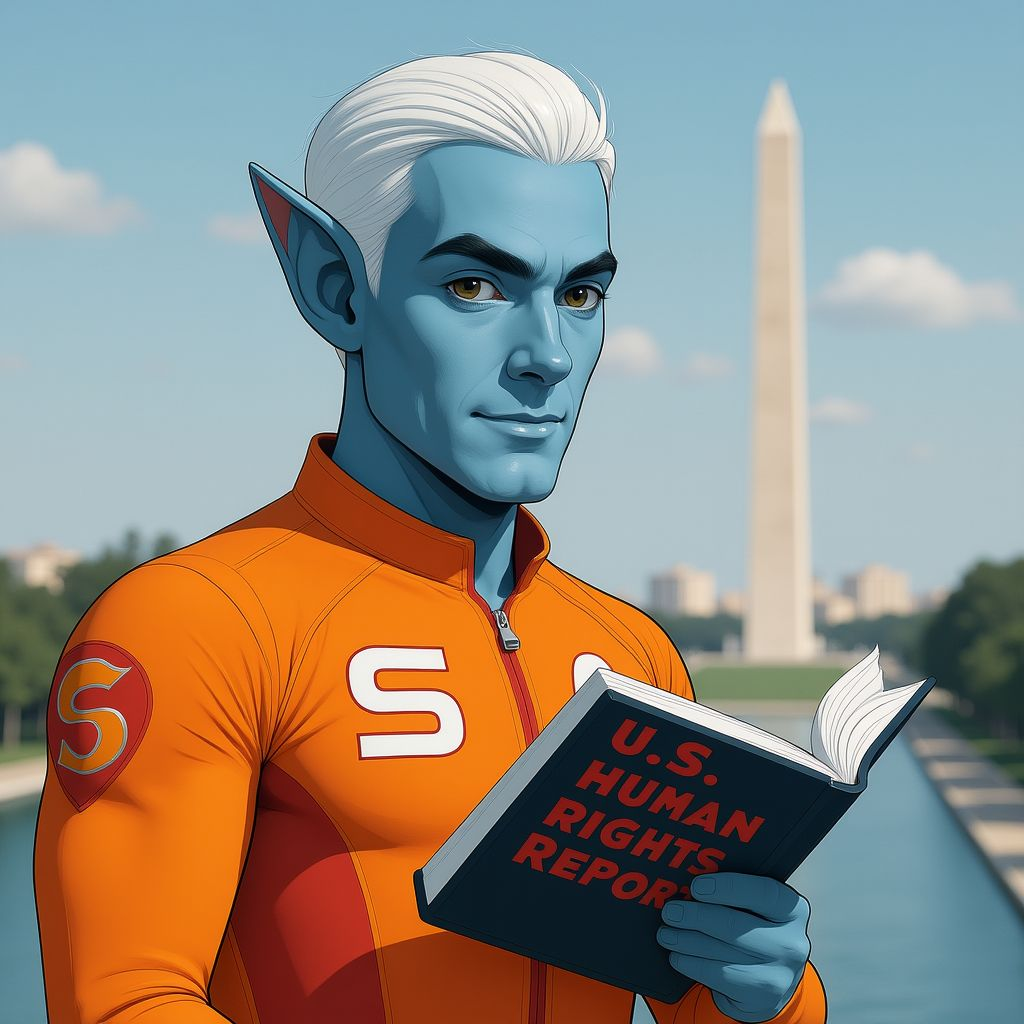
shalzed reading human rights report

Who Should Keep the World’s Human Rights Scorecard?

Who Should Keep the World’s Human Rights Scorecard?

Trump Stops the U.S. from Doing It- But Now Who Will?

shalzed reading human rights report

U.S. Human Rights Reports

Every year since 1977, the U.S. State department has compiled an enormous report tracking the human rights record of nearly every country in the world. These human rights reports have traditionally covered the entire gamut of internationally recognized human rights, along with workers’ rights such as collective bargaining, the prohibition of forced and child labor, and much more.

These reports are a massive undertaking, compiling information from governments, victims of alleged human rights abuses, media reports, academic studies, and non-governmental organizations. While their official purpose is to help Congress make decisions about foreign aid and security assistance, they are also relied upon for many other things. For example, information in the reports helps determine whether illegal immigrants face a credible fear of persecution if returned to their home country, and international advocacy organizations and human rights lawyers use the reports for their work as well.

Trump Scales Down

Now the Trump administration has decided to vastly scale this down. Last week the State Department released the reports for 2024, and entire sections were removed. The parts about LGBTQ rights, indigenous rights, and government corruption were eliminated. It no longer condemns governments for retaining political prisoners without due process or restrictions on free and fair elections. It also no longer highlights forcibly returning a refugee to a place where they may face torture or persecution, or governments denying freedom of movement or peaceful assembly. Even more important, the 2024 reports are much slimmer. They speak only in broad generalities, mostly giving just basic information that is already widely known.

Many human rights groups are up in arms about the change. They say it means the United States is abandoning its traditional role as human rights defender and advocate. They also fear that not only has much of the content they’re used to from the old reports been lost, but also what remains is now politicized and unreliable.

Two Reasons

While the administration has not provided a formal justification for the changes, two simple and straightforward ones come to mind. First, the U.S. government itself routinely violates many of the rights in the reports. It seems especially hypocritical, for example, for the U.S. government to criticize other countries for inhumane prison conditions while it is building ‘Allegator Alcatraz’ in Florida and subcontracting with El Salvador to house prisoners in its notorious 40,000 mega prison which has been widely accused of violating prisoners’ rights. So what entitles the U.S. to judge the rest of the world?

Second, the reports require immense time and resources to compile. Why should the United States be expected to investigate human rights abuses in all corners of the world at its own taxpayers’ expense? This slimming down is a version of Trump putting America first and letting foreigners deal with their own problems by themselves.

Who Can Take the U.S. Place?

But these reports are vital for human rights advocacy, and if the U.S. doesn’t compile them, who will? Non-governmental organizations such as Amnesty International, Freedom House, and Human Rights Watch play a role. But they lack the resources to do as thorough and comprehensive a job as the State Department, particularly in less prominent places and regarding issues that are less in the news. Also, these groups are funded via private donations and so are not accountable to the public. Their priorities and methodology may be skewed or unknown.

Intergovernmental organizations such as the United Nations might seem right for this role. The United Nations, and particularly its Human Rights Council, ought to have the resources to objectively examine human rights around the globe. But sadly, we see how biased and prone to political manipulation the U.N. can be. Do we really want a body with many countries that are among the worst human rights offenders as members to do this investigating? With the UN Human Rights Council in charge, the reports would certainly be subject to extreme political meddling and bias.

So if NGO’s don’t have the transparency or resources, the U.N. is too politicized, and it’s both hypocritical and too much of a burden to ask of the United States, where should authoritative, comprehensive human rights reporting come from? Or is the incomplete patchwork of reports non-governmental organizations decide to compile the best we can do? I’m curious to hear your thoughts.

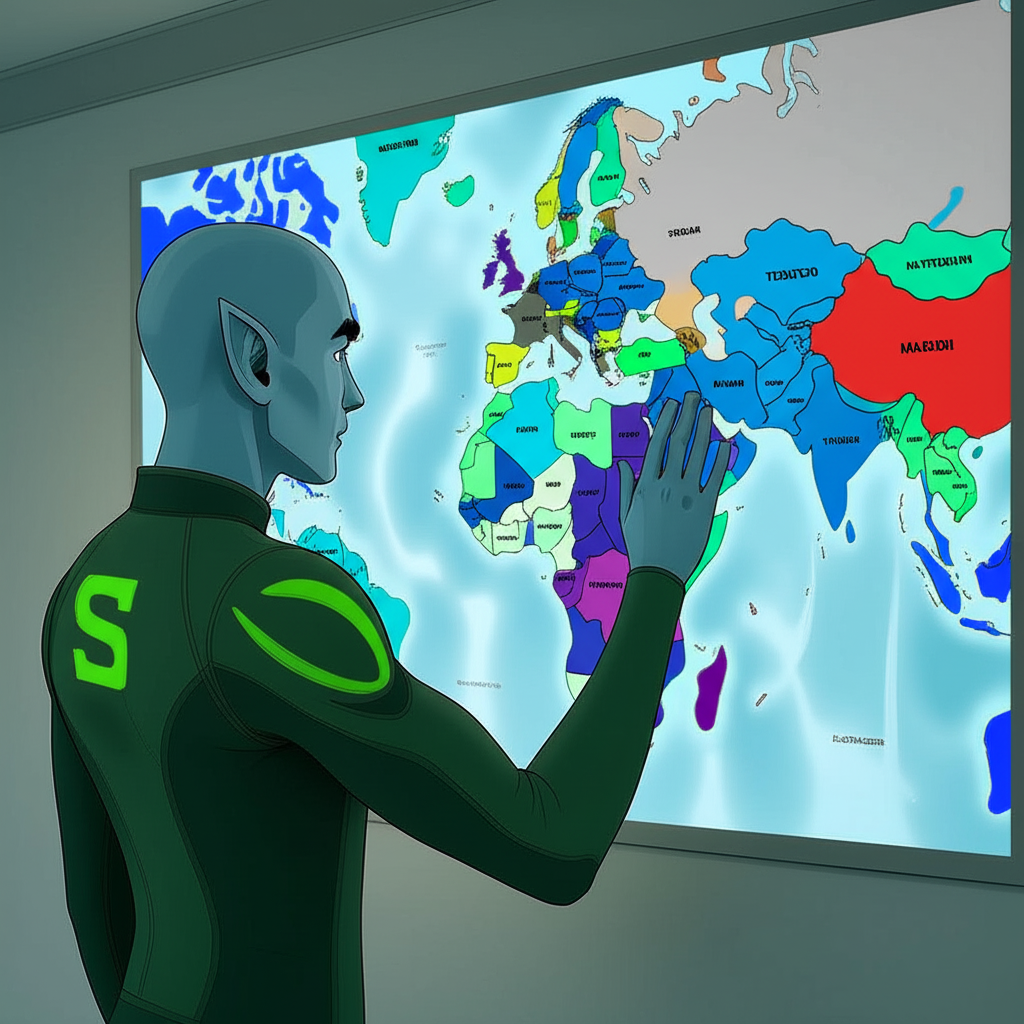
shalzed recognize state

What Does It Mean To be a Country?

What Does it Take to Become a Country?

How Do We Decide Whether To Recognize a Palestinian State?

shalzed recognize state

Shalzed’s home planet is united (click here to learn more about Shalzed. . .) On his planet there are committees to deal with local and regional issues, but nothing like our patchwork of nearly 200 constantly bickering states, each different in size and resources, often with different culture, language, and religion as well.

Dividing Earth into countries may seem normal to us, but how do we decide what’s a country? Is it simply a matter of facts? Does it depend on politics? Or should there be other criteria? This is especially pressing in light of the current move to recognize a state of Palestine. This week Shalzed asks a question to help us discuss what it means to recognize a new country.

Recently Britain, France, and Canada announced their intention to recognize Palestine as a State. A group of prominent British lawyers argue not only that this shouldn’t be done, but that recognition of Palestine would even violate international law.

The exact definition of a state is the subject of tremendous scholarly debate. The fundamentals come from the 1933 Montevideo Convention, which sets out four criteria. A state must have:

  1. A permanent population
  2. Defined territory
  3. A government
  4. Capacity to conduct international relations

Those objecting to recognition of Palestine claim that it currently does not have defined borders.  They also say that since Fatah (in the West Bank) and Hamas (in Gaza) are enemies, it does not have a functioning government. These matters are the subject of much debate- for example, see these links to The Guardian  and EJL Talk.

But most striking from the Montevideo criteria is that statehood is simply a matter of fact. A fanatic band of extremists could capture a capital in a bloody, illegal siege, hang the democratically elected leaders, install themselves as a military dictatorship and meet the criteria just fine. Recognition of statehood does not depend on the prospective government’s democratic legitimacy, human rights record, or policies it plans to implement. Montevideo does not ask about good or bad, right or wrong- only these four facts.

Is whether a prospective state fulfills the four Montevideo criteria the question we need to ask?

When considering recognition of a new state, and in this case a Palestinian state in particular, should the question be whether Palestine currently has a government and recognized borders, the way the debate over British recognition is being framed? Or should it be about whether a Palestinian state would be the best way to safeguard the human rights of Palestinians (and Israelis) going forward, as opposed to some other political arrangement that might be easier to implement or be more likely to lead to peace?

In general, should recognition of statehood depend on whether the prospective state’s government has been democratically elected and whether it is committed to peace and human rights? Or is that naïve and unrealistic, injecting a level of subjectivity and discretion that is prone to prejudice and abuse? Does realpolitik mean that like it or not any group meeting the Montevideo criteria has to be dealt with as a state, whereas otherwise they don’t.

I’m anxious to hear your thoughts.

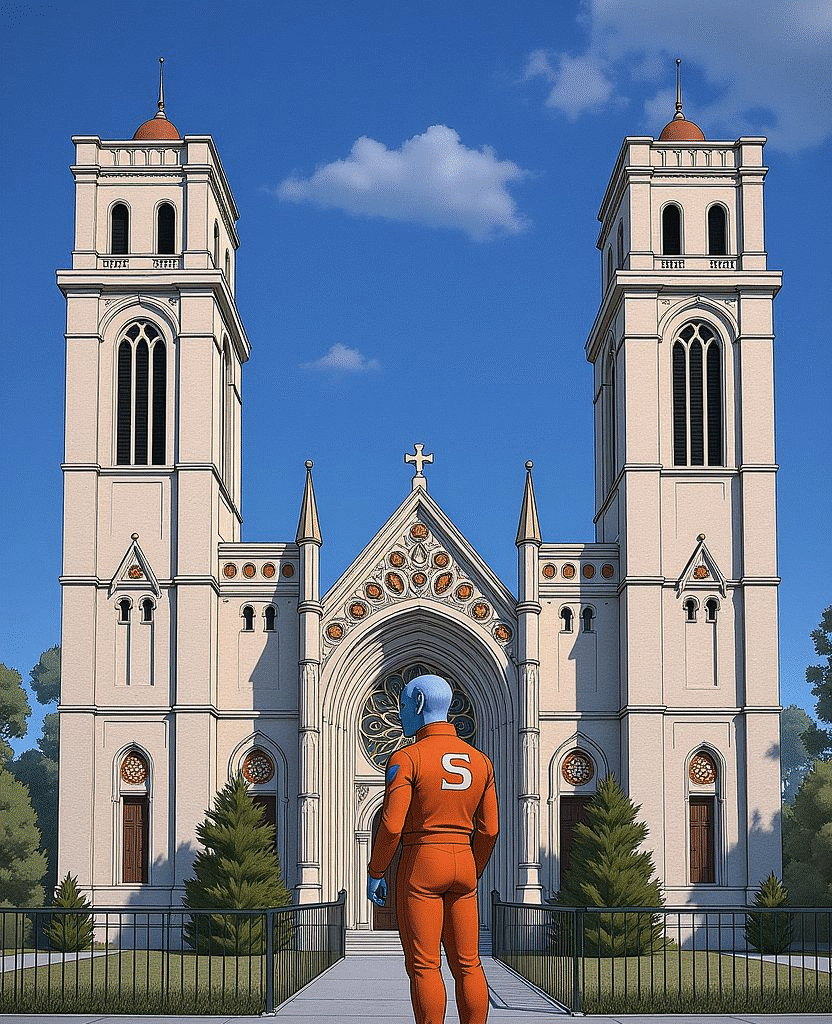
Shalzed outside St. James Cathedral in Seattle

Children’s Safety vs. A Priest’s Right to Silence

Children's Safety vs A priest's Right to Silence

Does freedom of religion include a priest’s right not to report information about child abuse he may learn while hearing a confession?

Shalzed Outside St. James Cathedral in Seattle
Shalzed outside St. James Cathedral in Seattle

Washington State recently passed a law requiring priests to report child abuse—including information given during confession—to the authorities. The Church responded by suing, arguing that the seal of the confessional is absolute and that the law unconstitutionally burdens their religious freedom. On July 18, a U.S. federal judge agreed and blocked the state from punishing priests who refuse to comply with the new law. Today, Shalzed speaks with Seattle Archbishop Paul Etienne to find out why he believes that even in order to protect children, priests should not be forced to violate this sacrament.

I arrived at St James Cathedral in downtown Seattle a little early, so I went inside. The giant marble altar in the center got my attention- a sign says they call the window in the roof that bathes it in sunlight ‘the eye of God.’ I saw someone exiting a confessional and thought of going over, but I decided that would be in good taste. Instead, I went back out to wait on the stairs until the confessions would finally be over.

“Good morning, Archbishop, I’m curious what sins were confessed to you this morning,” I said when Paul Etienne finally came out.

At first he seemed taken aback, then he frowned. “Shalzed?” he asked. “Why are you here?”

“Because I care about children,” I told him. “If someone confesses to you about child abuse, I understand you refuse to notify authorities. So I thought I’d ask you and then do it myself.”

He waved his hand. “You know it’s wrong to say the church doesn’t care about children.”

“Sure you care. Just not enough to put aside your religious rules and do anything about it.”

A sudden wind blew his violet skullcap off his head and it fell at his feet. He bent down to pick it up, being careful no to get his white robe dirty. I stepped a bit closer so it wouldn’t be so easy for him to walk away. “Any Priest who hears about child abuse is obligated to report it,” he said as he stood up. “It’s only for what’s shared during confession that we need an exemption. Because of the sacred seal.”

“Because if you tell anyone what you found out during confession, even to help prevent child abuse, you’re liable excommunication and eternal damnation (p. 15).”

“That’s right.” He nodded, without a trace of irony.

“And you don’t think preventing child abuse is a good enough reason for the state to require you to violate your religion?”

He gave me that sympathetic look clergy use when a congregant keeps asking pesky questions about faith and refuse to just shup up and accept a tried and true millennia-old answer. “What about the soul of the abuser?” he asked. “The solution is for the priest to encourage the penitent to inform the authorities on his own, or to arrange to receive the information again in a different setting (p. 21). That way the sacred seal of confession will remain unharmed.”

I put my hands on my hips. Two Japanese-looking young women, both wearing shirts from the Seattle Art Museum and holding the city guides distributed for free at the airport, passed by walking up the stairs towards the church. They slowed to glance at us. I couldn’t tell if they were looking at me, or maybe wondering if the Archbishop was someone famous and trying to decide whether to ask him to be in a selfie. I frowned, and they continued inside.

“And what if that doesn’t work?” I asked Etienne. “You really think you’re going to burn in hell for helping to save a child?”

“This whole controversy is really about nothing,” the Archbishop said. “Did you realize that the state government also just passed a law that specifically exempts lawyers from reporting information about child abuse they get from clients (p. 16)? No one thinks that’s such a big problem.”

“So maybe they shouldn’t have passed that law either,” I said.

“Remember, parents, neighbors, and other caregivers are not mandatory reporters (p. 16). Everyone is comfortable with that. The likelihood that someone is going to give a priest actionable information that could be used to prevent child abuse, but not reveal that information to anyone else in any other setting, is absurdly small.”

A woman came out of the Church, looking lost and sad, with her eyes red like she had been crying. She seemed shocked to see the Archbishop. After a moment of hesitation, she stepped over. “Your excellency, may I ask you a question. It’s very, very important,” she said so softly her voice was nearly a whisper.

The Archbishop turned to her with a warm smile. “Of course,” he said.

“It’s about my oldest daughter, Elizabeth. She needs to hear the Lord’s voice. Would you pray that she agrees to go on the upcoming high school retreat?”

“Absolutely. And I’d be happy to call her about it myself if you give me the number.”

The woman brightened. I waited while Etienne typed the number into his phone. “There are some things I need to tell you,” the woman said to Etienne, then glanced at me.

“Is this confidential?” I asked. The woman nodded. “Then you shouldn’t worry. The Archbishop is extremely, extremely serious about confidentiality,” I told her.

She gave me a funny look, and Etienne cleared his throat. “Confidentiality is an important part of being a member of the clergy,” he said. “But when hearing confession, it becomes a sacred religious duty as well.”

“That you must defend even if it requires the shedding of blood (p. 5),” I added.

“That’s only a metaphor,” he snapped.

“Okay, but you must agree the government has the right to put limits on religious beliefs at least sometimes. I mean, what if someone decided actually shedding blood or putting children in danger was a necessary part of their religion?”

“I’m sure you’re right. But the Catholic Church would never condone doing anything that is harmful to society. Also by the way, this Archdiocese has taken tremendous steps to protect children (p. 21).”

I shrugged. The woman stepped closer, so her shoulder was between me and Etienne, nudging me aside. “Six months ago my husband and I decided to separate. Just as sort of a trial,” she began.

“If you’d excuse us,” Etienne said to me. “Perhaps there is some research related to space travel that you need to attend to?”

If only. Earth has none of the materials needed to build a wormhole gate. “I really think you should consider how you’re conscience will feel if you hear something in a confession and don’t take action,” I told him.

“And maybe you should recognize that confession lightens the conscience of the penitent by providing atonement and forgiveness. But that requires confidentiality. Or maybe on your planet there is no such thing as forgiveness?”

The woman began describing how her daughter had always been a good child, but recently began skipping school and hanging around with kids from what she called ‘bad families.’ I decided to go. I thought of heading to the Space Needle, but instead decided to go to the Chihuly glass garden. The shapes of those sculptures remind me of home.

On my planet of course we have forgiveness, but nothing like what Earthlings refer to as religion. Maybe that’s why I’m struck by how easy it is for humans to invoke religion as a justification for violating one another’s rights. But I suppose the Archbishop has a point- religion can do good, too.

Questions:

  1. What do we do when a religious group claims that a law forces adherents to violate their faith? . How much respect do we give religious beliefs, and at what point do we say that religion can’t be an excuse for not following the law?
  2. A key reason the judge concludes this law is unconstitutional is that while the State of Washington wants to require priests to report what they hear in confessions, it also exempts other professionals, such as lawyers, from reporting confidential information they may receive from clients (p. 21). Does religion deserve this high level of deference, such that if an exemption is created for anyone else then there must be an exemption for religion too?
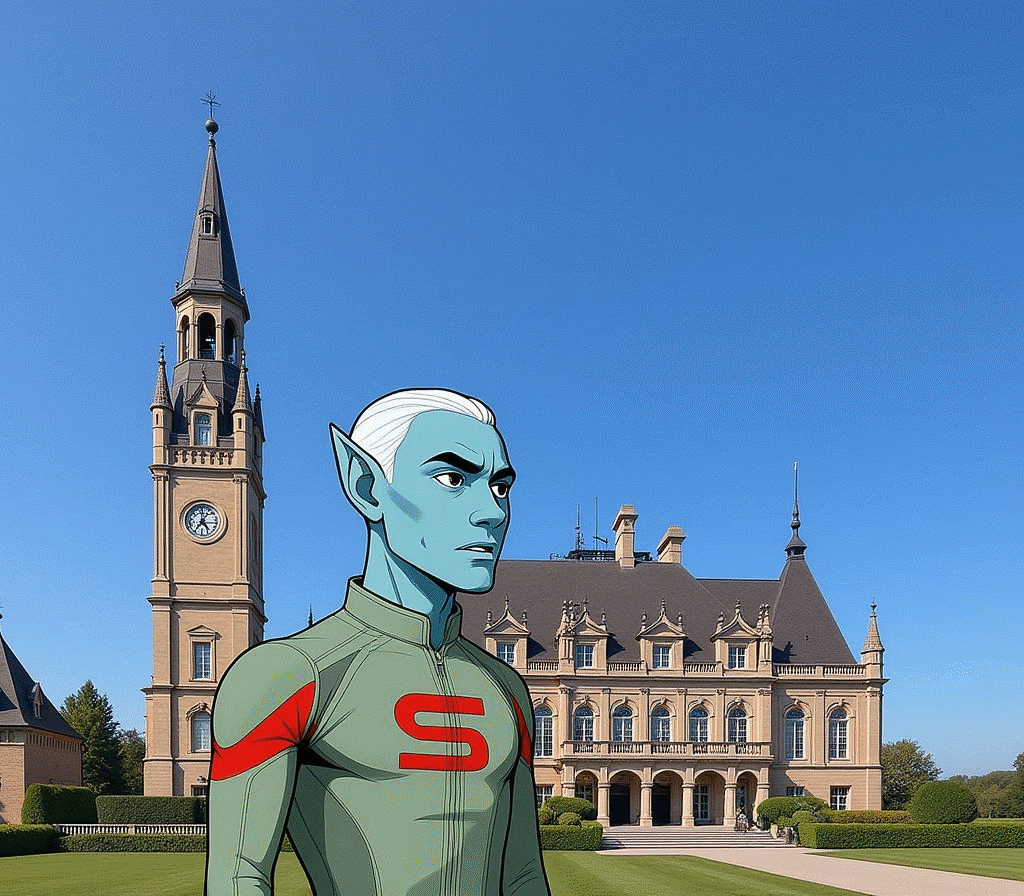
Shalzed outside the Peace Palace,  home of the International Court of Justice, in the Hague

International Law on Climate Change: Effective Action or Just Hot Air?

International Law on Climate Change: Effective Action or Just Hot Air?

The ICJ just ruled on climate change. But if that’s good news, why is the U.S. going in the opposite direction?

Shalzed outside the Peace Palace,  home of the International Court of Justice, in the Hague

On July 23rd the International Court of Justice (ICJ) issued its long-awaited advisory opinion on climate change. This was in response to the United Nations General Assembly asking it to clarify states’ responsibilities under international law to prevent excessive release of greenhouse gases, and what consequences they face if they do not.

Last December, over the course of more than a week, nearly 100 countries presented the court with their views on the issue. Many of the most developed countries, which are responsible for the majority of greenhouse gas emissions, claimed that the only relevant international law instrument is the Paris Climate Agreement, with its loose and non-binding commitments. They also claimed that it is impossible to trace any particular harm to a specific country’s emissions, so in this case there should be no liability for damages at all.

The unanimous decision of the court was a clear rebuke of these positions. The ICJ decided that greenhouse gas emissions violate numerous principles of international law, and that emitting greenhouse gases is included in the general prohibition of causing harm via pollution. The court made clear that a healthy, sustainable environment is fundamental and necessary for the enjoyment of all other human rights.

The ICJ therefore declared that countries have to, “act with due diligence and use all means at their disposal” to prevent harm to the climate system. That’s in addition to the specific requirements of the Paris Agreement, and applies even to countries such as the United States that withdraw from or refuse to sign the Paris Agreement at all. The court also decided that in principle countries that do not take due diligence to curb their emissions can be liable to pay damages for harm caused by the changing climate.

But nearly at the same time as the ICJ released its ruling, the United States Environmental Protection Agency (EPA) released a proposal to repeal an earlier determination that greenhouse gases are harmful. Under this proposal, the United States would do away with any and all restrictions on greenhouse gas emissions. EPA Administrator Lee Zeldin was quoted as saying, “Today is the greatest day of deregulation our nation has seen. We are driving a dagger straight into the heart of the climate change religion.” In other words, the Trump administration is attempting to do exactly the opposite of what the ICJ said countries are required to do under international law.

In order for countries to take effective action, both its leaders and citizens must believe that climate change is truly a threat. They need to be convinced that the science behind climate change is objective and real, not politically tainted, and that ignoring the consequences of climate change in the hope that future science will develop a painless solution is imprudent and unwise. A decision by an organ of the highly politicized United Nations is unlikely to do that, and neither the ICJ nor any other international body has the ability to force countries to comply with its rulings. Even the threat of being held liable for potential damages hardly amounts to much since there is no effective way to carry it out.

So what is the solution? One tactic being tried is lawsuits in domestic courts attempting to compel governments to take their climate obligations more seriously. But while these judgments may be somewhat more binding in individual countries, they cannot provide a path towards coordinated, global action.

Political pressure may push governments to action, but this also risks making climate change a political football with policies shifting radically depending on who is in power. This is the opposite of what the ICJ attempted to achieve by declaring that combating climate change is an overarching imperative related to basic human rights.

We could wait for even more scientific proof, but science is always subject to new information and debate, and therefore can never produce certainty. If the data we already have isn’t enough to convince people to take action, it’s hard to see how more research will make a difference. And in the meantime, delay makes the problem worse.

So to what extent can international law be a tool to fight climate change? If international law is the answer, why are major greenhouse gas emitters such as the U.S. doing exactly the opposite of what it requires? If international law isn’t the solution, what is? Is there any other means of compelling a coordinated, international response to a global crisis? I’m anxious to hear your thoughts.

shalzed taliban

Cracking Down on the Taliban — or Fueling Their Fire?

Cracking Down on the Taliban — or Fueling Their Fire?

Are ICC arrest warrants against Taliban leaders the right idea?

shalzed taliban

On July 8th a panel of judges at the International Criminal Court (ICC) approved arrest warrants for two leaders of the Taliban. They are accused of persecuting women and girls by making laws that violate their rights to education, family life, expression, religion, and more.

The facts here are hardly in question. The Taliban, invoking their fundamentalist religious values, have denied women access to education, the right to work and move freely outside the home, the right to hold public office, and have imposed a strict dress code. All this seems to be a direct affront to the principle of equality which is at the core of human rights.

However, there is still reason to question whether these arrest warrants are a good move. In a typical ICC case, the party under investigation does not deny that whatever atrocity they are accused of is a crime. Instead, they either claim the accusations against them are factually untrue or give some extenuating circumstance that they say makes their actions acceptable.

But the situation in Afghanistan is totally different. The Taliban are open about what they’re doing. In fact, the Taliban even claim that “All fundamental rights afforded to Afghan women have been safeguarded in strict accordance with Islamic Sharia law, as well as the cultural and traditional frameworks of Afghan society.”

In other words, what we have here is a conflict about culture and religion. The Taliban maintain that what the ICC calls persecution of women is really just them following their religious law. They say it’s beneficial to women and shouldn’t be regarded as a crime at all.

In this case, is criminal justice the best way forward? Will criminalizing the Taliban’s religious beliefs, offensive to human rights as they may be, prompt those beliefs to change? Or will this only harden the Taliban’s attitude, as they see themselves holding fast and clinging to their traditions as they are attacked by foreign, Western values? Wouldn’t real change have to come from the inside, perhaps led by Afghan women themselves, rather than an outside force such as the ICC?

Of course, there also must be some limit on what the world should accept in the name of religion. What if some group announced that racial discrimination was a religious belief? Would we then tolerate racial discrimination? In fact, some argue that what the Taliban are doing is similar to Apartheid, and therefore absolutely must be stopped. Some human rights activists even go so far as to label the Taliban’s policies gender Apartheid, and claim that gender Apartheid should be recognized as a new category of international crime.

The Taliban’s policies seem to meet the legal criteria to justify these ICC warrants. But does pursuing this case against the Taliban serve the purpose for which the ICC was created? Would the ICC be better off sticking to traditional war crimes and crimes against humanity, recognizing that changing religious and cultural values is beyond its reach? Or do we need the ICC to issue these indictments to take a stand that such restrictive, gender based policies are beyond the pale of what can be tolerated in the 21st century? I’m anxious to hear your comments.

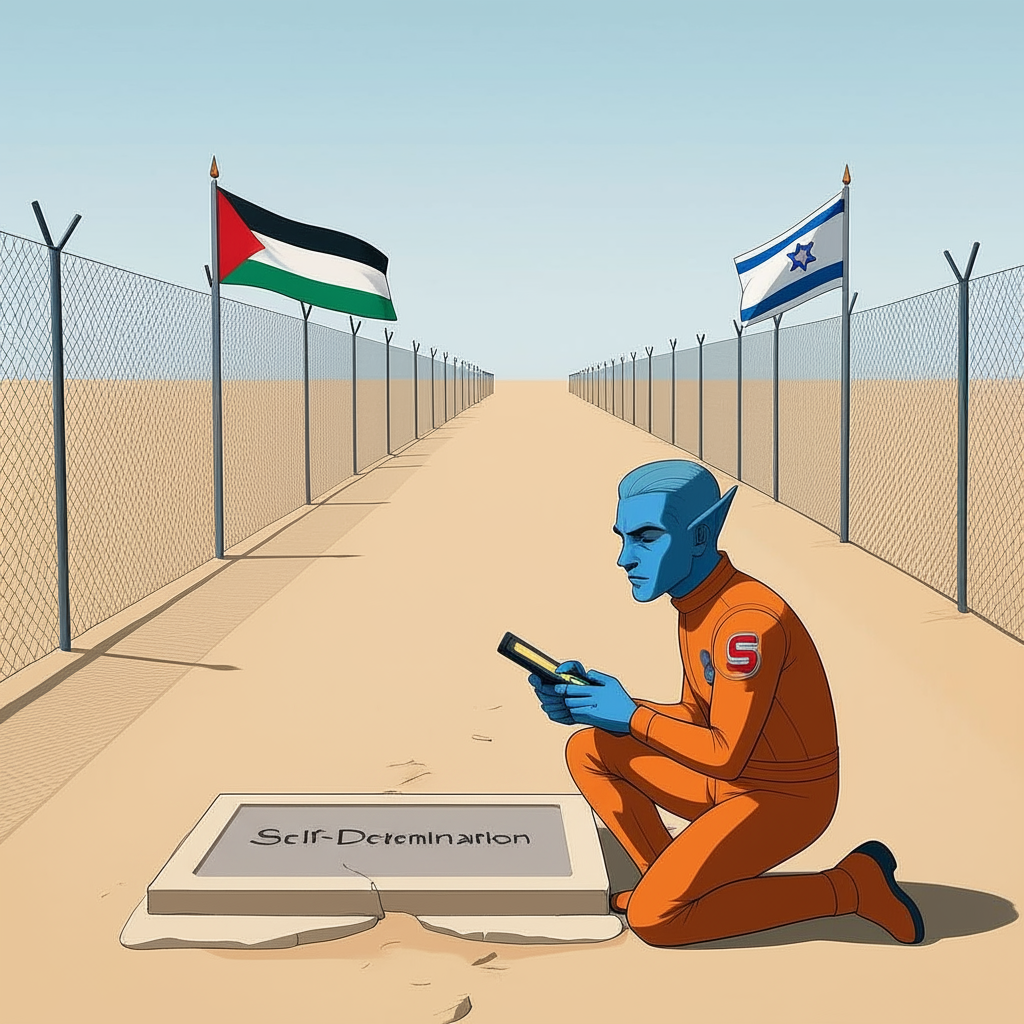
Palestinian Rights vs. Israeli Fears: When Self-determination For One Threatens the Other

Palestinian Rights vs. Israeli Fears: When Self-determination For One Threatens the Other

The principle of self-determination is enshrined at the heart of international law. Article I of the UN Charter states, for example, that a purpose of the United Nations is, “To develop friendly relations among nations based on respect for the principle of equal rights and self-determination of peoples.”

The most fundamental meaning of Self-determination is that no group should be ruled over by another. An obvious application is with regard to colonialism- for a far-away power to rule over a less developed territory violates that territory’s right to self-determination.

The rationale behind this right is clear. When one group is ruled by another, they are vulnerable to abuse, exploitation, and having their rights violated. Self-determination enables people to both defend their rights and live according to their own values.

The United Nations has long recognized that Palestinians are ‘a people,’ and therefore entitled to self-determination. And in this context there are clear reasons why this should be implemented. By becoming a state, Palestinians would enjoy the full political and legal rights that are unavailable to them while they are under the control of Israel.

But there is an objection sometimes raised. Some subset of Palestinians seems devoted to Israel’s destruction and would see a state in Gaza and the West Bank as merely a stepping stone towards those ends. A Palestinian state could easily be used to launch more rockets and repeat terrorist attacks such as the massacre of Oct. 7th.

The reason peoples are entitled to self-determination is because self-determination is a powerful tool to help safeguard their rights. So if a group may reasonably be expected to exploit the right of self-determination in pursuit of aggression or other crimes, should the right of self-determination should be denied?

Of course, in spite of the ugly rhetoric from some Palestinian leaders, it’s possible that a Palestinian state would in fact live in peace with Israel. We can’t know in advance what a future Palestinian State would do.

One might also suggest that these fears do not justify denying Palestinians the right of self-determination, but instead should be addressed by other means. These could include demilitarisation, security guarantees, or other arrangements that would enable Israel to defend itself from threats a potential Palestinian State might present.

It should also be pointed out that no existing state fully upholds human rights, and well-established countries commit atrocities and threaten world peace and security all the time. Even as they do so, they do not lose their right to exist. That’s the case even when they commit flagrant breaches of international law. So for that reason, the possibility that a future state of Palestine might commit acts of aggression hardly seems a reason why Palestinians should lose their right to a state in the first place.

The question becomes, how do reasonably well-founded fears that a right may be abused impact entitlement to exercise that right? What do we do when in order to help fulfill one group’s rights we may simultaneously be creating conditions that will facilitate the violation of the rights of others?

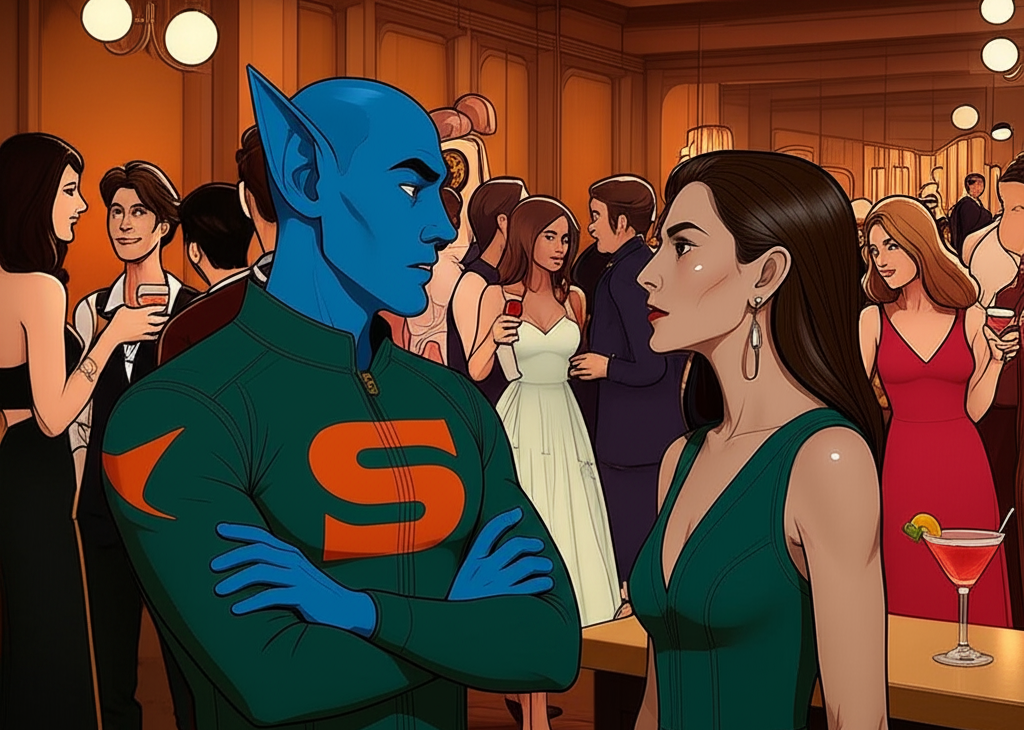
shalzed iage verification porn

Should Earthlings Need an ID to buy liquor- But Not to Watch Porn?

Should Earthlings Need an ID to buy liquor- But Not to Watch Porn?

Alison Boden of the Free Speech Coalition explains why she thinks a recent Supreme Court Decision upholding age verification for online porn violates the rights of adults

In 2023, Texas passed a law requiring websites that contain more than 30% porn to verify visitors’ ages. A group representing the porn industry claimed that age verification was an unconstitutional restriction on freedom of expression. On June 27th, the Supreme Court ruled 6-3 that the Texas law can stand. Shalzed meets Alison Boden, that group’s director, to find out why she thinks the government can’t require porn websites to verify that their users are adults.

For most presidents and prime ministers, pulling up in a fancy black SUV is all about ego. But Orpo really needs his. Here in Ivalo, Finland, even in May there’s still enough snow on the ground that I wouldn’t hit the road in any car that doesn’t have extra-large tires and all-wheel drive.

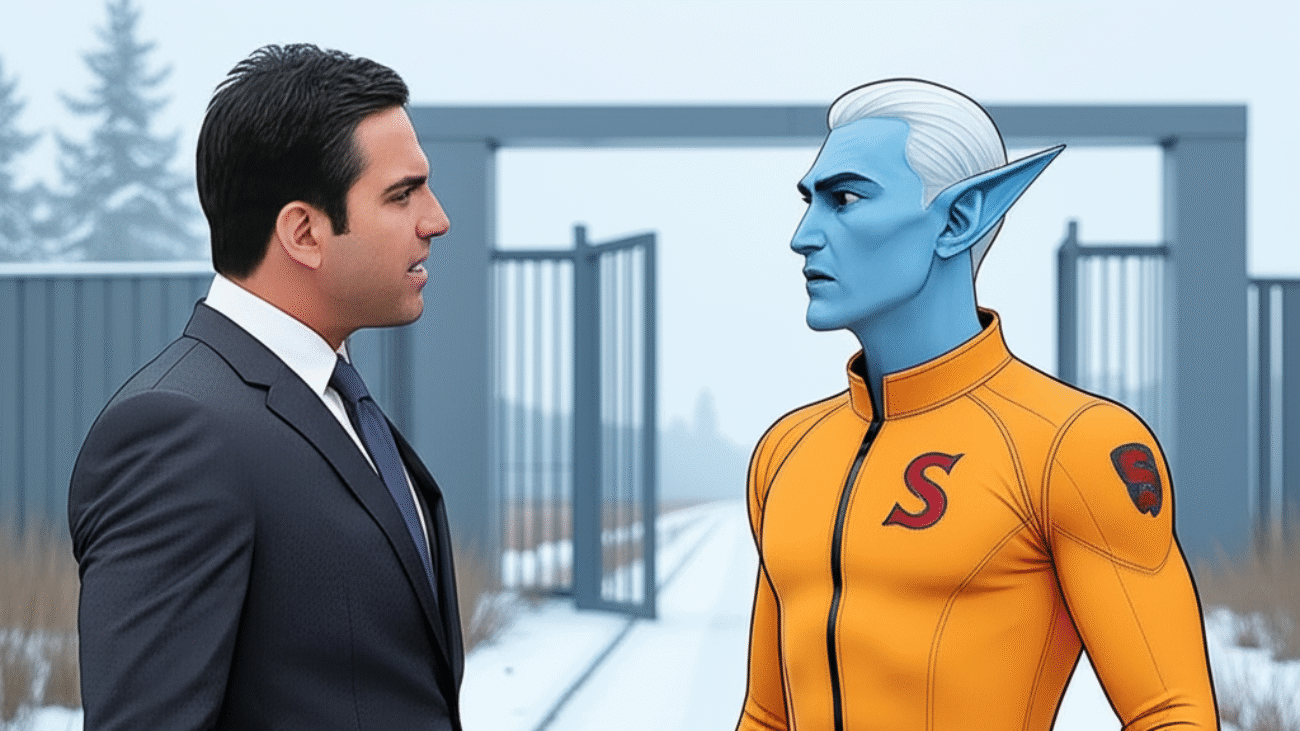
He got out of the SUV and headed towards the main gate of the army base, where two guys wearing green berets and camouflage coats were waiting. I called his name and he waved. Orpo probably thought I was a bored citizen hoping for a selfie with the Prime Minister, now that it was a tad too warm for ice fishing and so there weren’t many ways in Ivalo to pass the time during the day. I unbuttoned my coat a bit to let him see the S on my chest. Since I was bundled up because of the freezing weather I could hardly blame him for not recognizing me.

“Shalzed?” Orpo asked. “What are you doing here?”

“I took the Overnight train from Helsinki to Rovaniemi, then three hours on a bus,” I told him. “I’ve always wanted to see the Northern Lights.”

“Then you should have come before April,” he said.

That’s right. Unfortunately, it’s hard to see the Northern Lights in May. If he had to pull out of the land mine treaty, why couldn’t he have at least done it a few months earlier? “Damn. Then I guess the only reason I came all the way to the Arctic Circle is you.”

“Sorry, I’m here for a meeting and to visit the troops.”

“Planning how to spread millions of tiny little undetectable land mines along the Russian border?”

Orpo waved a hand at me. “We have to defend our country.”

“If you don’t mind making vast swaths of your country unusable for the next few centuries and having to amputate the legs of any child, farmer, or tourist who happens to wander through.”

The SUV driver got out and walked over, probably wondering who I was and how I had the audacity to address the Prime Minister. Interesting the two guys by the gate didn’t budge. Maybe they were high-ranking officers, so standing around and looking important is all they knew how to do.

The driver said something to Orpo in Finnish, and Orpo shook his head. “Have you heard of technology?” he asked me. “Things have changed since the 90s. When they made the treaty mines stayed ready to explode forever. The new ones we’ll use are programmed to deactivate.”

As if technology was really going to solve this problem. “And what’s the failure rate?” I asked.

The driver sneered. “Less than one percent,” he said in heavily accented English. I wondered if Finland’s Prime Minister was now being transported by a lobbyist for the weapons industry. Maybe passed off to the public as a cost-cutting move.

“Unfortunately for you, I’m pretty good at math. If you put out a million mines, and one percent remain active, that means 10,000 will still be ready to explode on contact for let’s say the next hundred years. Would you be willing to hike through the area or let kids go play ball knowing that? And in real life the failure rate will be much higher than in the lab.”

“Are you paid by Putin?” The driver asked.

“No, and if you’re on the payroll of the weapons industry you might as well be fired,” I told him. “Anti- personnel mines don’t do any good. Soldiers with armor go right through. It’s just after the war civilians who suffer.” Most military people admit that minefields have limited strategic benefit that hardly justifies using them in light of the immense harm they cause. Drones and other more modern weapons are better.

“Thanks for your advice, General,” Orpo said. “By the way, are you planning to join our army and help on the front lines in case of a Russian invasion? If not I think I’ll listen to my soldiers, and they say minefields would be a significant deterrent.”

Something hard hit me on the shoulder, and I felt a cold spray against my face. I turned and saw the two men by the gate laughing. I wiped my face and saw snow all over my coat- they must have hit me with a snowball!

“What the hell?” I called.

Orpo and the driver burst out laughing too. “What happened to your superpowers?” Orpo asked.

“You not strong,” the driver said, putting his fists up like we were going to fight.

“If I still had superpowers I would. . .” I began. I was losing my temper. This is the new me, I reminded myself. No more getting angry and destroying things. Tempting as it feels, it doesn’t do any good.

“No one should have any complaints anyway,” Orpo told me. “So what if we’re withdrawing? We can do that with six months’ notice, that’s what it says in the treaty.”

“Sure, sounds perfect,” I said back, not bothering to rein in my sarcasm. “Countries that don’t want to use landmines anyway join the convention, then quit the moment they change their mind. What a magnificent treaty. So effective.”

“This is the real world, Shalzed,” Orpo said. “You can’t ask countries to take risks with defense.”

“And here I thought the Ottawa treaty was to make clear that land mines pose such a great, never-ending danger to civilians that they should never be used, even for security.”

The two guys at the gate started walking my way. One had a snowball, while the other was holding a pair of handcuffs. I wondered where he got them from. And if he really thought regular handcuffs could hold me.

“This is a military base, not Times Square,” the one with the handcuffs called. “Get out!” He had an accent like he was from New York. That made sense because the U.S. just made a deal to station troops here too.

“Besides, the treaty was never really a success,” Orpo continued. “Yes, 165 countries joined it. But so what? The United States, Russia, China, and India didn’t, and by far those are the countries with the most mines.”

That’s true, but countries that did join the Ottawa convention still destroyed around 55 million mines from their own stockpiles. That had to be significant. “So maybe then we should just do nothing,” I suggested. “Since no arms control treaty is perfect let’s just forget international law altogether and have no limits on wars or weapons.” After all, that’s pretty much what he was saying.

The guy with the handcuffs put a hand on my shoulder, right where his friend hit me with the snowball. “Hey buddy, this ain’t Central Park where you can just hang around. If you’re a tourist go get some skis. Get out!”

“You’re taking us backwards, Orpo,” I said. “Dropping the treaty undermines everything we’ve accomplished with international law.”

“When international law stops Russia from taking over Ukraine let me know. Then we’ll talk,” he replied.

The guy with a hand on my shoulder gave me a shove, and I started walking away from the base. Before I turned towards the road I glanced over my shoulder and saw Orpo and the two military guys still by the gate. I picked up a handful of snow, compacted it in my hands, then threw a snowball right at the guy who had thrown one at me. It hit him right on his rear end. He turned around and glared, then slowly brushed off his coat.

The guy that had been holding the handcuffs asked Orpo something, and Orpo shook his head. Probably asking whether to come after me, and smart for Orpo not to let him. As they went through the gate I regretted not having also whipped a snowball at Orpo himself. Yes, I gave up using superpowers on people. But if he believes Finland can change its mind and bring back weapons, I don’t see how he can complain about me bending my rules to pelt him with some snow.

Discussion Questions:

  1. Is deciding what material children can and can’t view the proper role of government? Should parents be responsible for determining what is appropriate for their kids on their own, or is keeping track of what kids do online too difficult and parents need the help of laws as well?
  2. Some websites have found that less than 5% of visitors are willing to take the risk of phishing scams, data breaches, and exposure to blackmail and share their ID in order to gain access. If that’s the case, do age verification rules impose too many limitations on adults in the aim of protecting minors?
  3. How will we define what content is inappropriate for minors and therefore subject to age verification? Could this Supreme Court decision allow a state to make information about birth control, abortion, or other topics related to sexuality unavailable to minors as well?
shalzed llano public library

Court Case in Texas: Can a Library Throw Out Books it Doesn’t Like?

Shalzed in Texas: Can a Library Throw Out Books It Doesn't Like?

Several years ago a library in Llano, Texas, removed seventeen books, about half of them children’s, because it considered them harmful or offensive. Some community members sued, saying the library was restricting their freedom to receive information based on library board members’ opinions. A district court ordered the library to put the books back, but then last week a full panel of circuit court judges ruled 10-7 that the library can in fact remove them. Shalzed heads to Texas to find out why.

At the entrance to the Llano public library, right next to the drinking fountain, I noticed a large bulletin board. A flyer that said ‘Report all burns!’ in big red letters caught my eye. At first I assumed it meant book burnings, and I considered a flyer encouraging people to burn books a bit brazen for a library in the midst of a lawsuit about censorship. Then I saw the picture of Smokey the Bear and realized the flyer was about forest fires.

Some seniors were sitting in comfortable, padded chairs leafing through newspapers, and a few moms and one dad were in the children’s area with their little ones. A middle aged woman wearing a shirt with the Llano County logo was sitting at the circulation desk thumbing through a magazine, so I walked straight up.

“I’m looking for Freddy the Farting Snowman, I forgot who wrote it,” I said. A couple of the moms glanced in my direction.

The librarian sighed. “That book is no longer available,” she said.

“I’m also looking for My Butt is So Noisy and I broke My Butt,” I told her. One of the elderly women put down her newspaper and stared at me.

“Well, if you want to screw up your children, you’ll have to do it on your own,” the librarian replied, wagging her finger at me. “You can always try Amazon.”

I scratched my chin like I was getting an idea. “Maybe you’re right,” I told her. “I’m sure the Llano County library board knows how to raise my children much better than I ever could. Why does anyone even try to think for themselves anymore, when we could just put the library board in charge of everything?”

“It’s not about thinking,” she snapped, closing her magazine and slapping her hand down on the cover. “That was a lie from the outset. We didn’t remove those books because we disagree with the contents, we removed them because they are inappropriate for children.”

The woman that had put down her newspaper shuffled over, stopping right next to me and leaning on her walker. “I don’t know who this funny-looking man is,” she said to the librarian, “but personally I love Isabel Wilkerson. The only reason you want to get rid of her book is because it’s about racism in American and telling the truth about race disagrees with you Republicans.”

I tugged to even my cape and then made sure all my shirt buttons were fastened. I realized that in a small town like this probably no one would know me, but saying I looked funny? It hurt my feelings, at least a little bit.

“I’m sorry ma’am, but it’s our job as librarians to decide what belongs in the collection,” the librarian responded.

“Well this is American, where people have rights!” the elderly woman said back, raising her voice.

“There you go Rose,” a grey haired man called from the chair next to where she had been sitting. “You tell her!”

The woman was right. U.S. courts recognize that free speech means that the government cannot censor or prevent citizens from receiving information, and the Universal Declaration of Human Rights also says that everyone has the right to freely receive information and ideas.

The librarian waived her hand. “Well maybe you rich retired folks should pay more in taxes so we can buy every single book that anyone says they want to read. But otherwise someone is going to have to keep deciding what tiny number of books we can purchase for our shelves, and that’s the job of the library board. If you don’t like it, vote ‘em out in the next election.”

“We’re not talking about which books to buy,” I said calmly. “We’re talking about throwing out books the library already has. I don’t think throwing books in the garbage saves money.”

“Who are you?” the elderly woman asked, turning to me. “I’ve never seen you around here before.” She stared at the ‘S’ on my shirt, and I very much hoped she wouldn’t confuse me with Superman. I can’t stand it when people do that.

I smiled and extended my hand. “My name is Shalzed, I’m from out of town,” I told her. I usually try not to be more specific.

She squeezed a few of my fingers as she moved her arm up and down. “So what makes you think you can take out a book?”

She had me there. I lack one of those glorious cards that bestow the privilege of borrowing items from the Llano County library.

“So you came here from out of town just to make trouble?” the librarian asked me.

I put my hands on my hips. “I’d think dismissing everyone on the committee that decides on books and replacing them with a group of Conservative Christians, then them throwing away all the books a Congressman decided to target, would be making trouble,” I told her.

“And I’d call it making sure the library faithfully serves our community,” she replied. “If in your town you want kids reading about a five year old boy deciding to be a girl, go ahead.”

I remembered another flyer I had seen on the bulletin board at the entrance. “What about the LGBTQ+ support group?” I asked. “Are you going to take down the flyer about their meetings too?”

The woman who had asked where I was from picked one corner of her walker up a few inches and slammed it back down. “My granddaughter goes to that,” she said, fixing the librarian with a mean stare. “And I’m proud of her for it. Don’t you mess with them, that’s crossing a line.”

“You better listen to Rose,” the man seated back where she had been reading the paper chimed in.

The librarian smiled. “Well, you’ll be happy to know the bulletin board is open to all residents of Llano County,” she said. Then she turned to me. “Anyone with a library card or local ID, that is, can post a notice.”

“Not you,” the elderly woman said, pointing a finger right at my stomach.

“So it’s only books about being LGBT you get rid of. LGBT people themselves are welcome?” I asked the librarian.

“Of course,” she said. “Everyone is welcome to use the library, and the bulletin board is a public forum that’s open to everyone. But what books are on the shelves is up to the library board that’s appointed by the county. Only they decide.”

A mom holding a sulking toddler by the hand pushed around me and plopped a book called Berenstein Bears say Their Prayers onto the counter.

“I sure don’t want Lizzie here seeing books about peoples butts on the children’s shelves,” the mother said to the librarian, but glancing at me.

I was about to say something when the little girl started to cry. “Mommy, my butt hurts,” she whined.

Both the mom and the librarian laughed, and I even couldn’t help but chuckle. “We’ll be home in a few minutes,” the mom said as she gave the girl a hug.

“Bridge club starting,” the elderly man called. Rose turned her walker and started heading away.

I turned and went back past the bulletin board and out of the building, pondering the irony that this case involved seventeen books being discarded by the library and had been decided by a panel of exactly seventeen judges. That must just be a coincidence, I figured, since now it was headed to the Supreme Court and they only have nine.

Out by the street I pondered what to do next. I didn’t think there were any attractions in Llano I wanted to see. I would have liked to take out a book to read under a tree at the nearby park, but of course I didn’t have a library card.

“People have the right not to be exposed to all that filth and garbage,” the mom said to me as she strode by, toddler grasping her left pinky finger in tow. “Do you expect the library to have books saying the Earth is flat too?”

She opened the rear door of an old Chevy Cruze and put the little girl in her car seat, then quickly got in the front. I do think people would benefit from a little more exposure. With social media serving us only what we already like, it would be good for people to encounter a wide variety of books in the library. But even back when I was using my superpowers, when I could bust open locked doors and find the openings to secret passages, making people more open-minded was still beyond me.

Subscribe to Receive Shalzed's adventures in your inbox

Questions:

  1. The librarian told Shalzed that children’s books were not removed because of disagreement with the contents, but rather because the book was considered inappropriate for minors. But is there a difference? (This is discussed in the majority opinion starting on page 20, then again on page 24 with regard to overturning Campbell. The minority addresses this on page 32 of their opinion, page 92 of the overall document).
  2. Shalzed says there should be a difference between a library deciding not to buy a book and throwing out a book it already has in its collection. But is this distinction sustainable? (This is discussed in the majority opinion on p. 19-20, and discussed extensively by Judge Ho in section two of his concurrence (p. 58 of the document). It is also covered in the minority opinion on page 31 (page 91 of the overall document.)
  3. Is it possible for the courts to intervene in library decisions, hearing lawsuits whenever a citizen alleges that a library official is using their authority over adding and removing books in ways that are biased by their own viewpoint? Or is the scope of this issue, considering the number of libraries and number of books they acquire and remove, simply beyond what courts can do?
shalzed finland land mines

Shalzed Confronts Finnish Prime Minister Petteri Orpo About Land Mines

Shalzed Confronts Finnish Prime Minister Petteri Orpo About Land Mines

Anti-personnel land mines are inherently indiscriminate, harming soldiers and civilians alike. They continue to kill and maim innocent people long after conflicts end. In 1997, the Ottawa treaty was drafted to prohibit their use, and so far approximately 165 countries have joined. But recently Estonia, Latvia, Lithuania, and Poland announced that they will leave the treaty, and now Finland is following suit.

Today, Shalzed catches up with Finnish Prime Minister Petteri Orpo to find out why he wants to weaken a successful arms treaty and bring back a type of weapon that kills at least 5000 innocent people a year. To read Shalzed’s biography, click here.

For most presidents and prime ministers, pulling up in a fancy black SUV is all about ego. But Orpo really needs his. Here in Ivalo, Finland, even in May there’s still enough snow on the ground that I wouldn’t hit the road in any car that doesn’t have extra-large tires and all-wheel drive.

He got out of the SUV and headed towards the main gate of the army base, where two guys wearing green berets and camouflage coats were waiting. I called his name and he waved. Orpo probably thought I was a bored citizen hoping for a selfie with the Prime Minister, now that it was a tad too warm for ice fishing and so there weren’t many ways in Ivalo to pass the time during the day. I unbuttoned my coat a bit to let him see the S on my chest. Since I was bundled up because of the freezing weather I could hardly blame him for not recognizing me.

“Shalzed?” Orpo asked. “What are you doing here?”

“I took the Overnight train from Helsinki to Rovaniemi, then three hours on a bus,” I told him. “I’ve always wanted to see the Northern Lights.”

“Then you should have come before April,” he said.

That’s right. Unfortunately, it’s hard to see the Northern Lights in May. If he had to pull out of the land mine treaty, why couldn’t he have at least done it a few months earlier? “Damn. Then I guess the only reason I came all the way to the Arctic Circle is you.”

“Sorry, I’m here for a meeting and to visit the troops.”

“Planning how to spread millions of tiny little undetectable land mines along the Russian border?”

Orpo waved a hand at me. “We have to defend our country.”

“If you don’t mind making vast swaths of your country unusable for the next few centuries and having to amputate the legs of any child, farmer, or tourist who happens to wander through.”

The SUV driver got out and walked over, probably wondering who I was and how I had the audacity to address the Prime Minister. Interesting the two guys by the gate didn’t budge. Maybe they were high-ranking officers, so standing around and looking important is all they knew how to do.

The driver said something to Orpo in Finnish, and Orpo shook his head. “Have you heard of technology?” he asked me. “Things have changed since the 90s. When they made the treaty mines stayed ready to explode forever. The new ones we’ll use are programmed to deactivate.”

As if technology was really going to solve this problem. “And what’s the failure rate?” I asked.

The driver sneered. “Less than one percent,” he said in heavily accented English. I wondered if Finland’s Prime Minister was now being transported by a lobbyist for the weapons industry. Maybe passed off to the public as a cost-cutting move.

“Unfortunately for you, I’m pretty good at math. If you put out a million mines, and one percent remain active, that means 10,000 will still be ready to explode on contact for let’s say the next hundred years. Would you be willing to hike through the area or let kids go play ball knowing that? And in real life the failure rate will be much higher than in the lab.”

“Are you paid by Putin?” The driver asked.

“No, and if you’re on the payroll of the weapons industry you might as well be fired,” I told him. “Anti- personnel mines don’t do any good. Soldiers with armor go right through. It’s just after the war civilians who suffer.” Most military people admit that minefields have limited strategic benefit that hardly justifies using them in light of the immense harm they cause. Drones and other more modern weapons are better.

“Thanks for your advice, General,” Orpo said. “By the way, are you planning to join our army and help on the front lines in case of a Russian invasion? If not I think I’ll listen to my soldiers, and they say minefields would be a significant deterrent.”

Something hard hit me on the shoulder, and I felt a cold spray against my face. I turned and saw the two men by the gate laughing. I wiped my face and saw snow all over my coat- they must have hit me with a snowball!

“What the hell?” I called.

Orpo and the driver burst out laughing too. “What happened to your superpowers?” Orpo asked.

“You not strong,” the driver said, putting his fists up like we were going to fight.

“If I still had superpowers I would. . .” I began. I was losing my temper. This is the new me, I reminded myself. No more getting angry and destroying things. Tempting as it feels, it doesn’t do any good.

“No one should have any complaints anyway,” Orpo told me. “So what if we’re withdrawing? We can do that with six months’ notice, that’s what it says in the treaty.”

“Sure, sounds perfect,” I said back, not bothering to rein in my sarcasm. “Countries that don’t want to use landmines anyway join the convention, then quit the moment they change their mind. What a magnificent treaty. So effective.”

“This is the real world, Shalzed,” Orpo said. “You can’t ask countries to take risks with defense.”

“And here I thought the Ottawa treaty was to make clear that land mines pose such a great, never-ending danger to civilians that they should never be used, even for security.”

The two guys at the gate started walking my way. One had a snowball, while the other was holding a pair of handcuffs. I wondered where he got them from. And if he really thought regular handcuffs could hold me.

“This is a military base, not Times Square,” the one with the handcuffs called. “Get out!” He had an accent like he was from New York. That made sense because the U.S. just made a deal to station troops here too.

“Besides, the treaty was never really a success,” Orpo continued. “Yes, 165 countries joined it. But so what? The United States, Russia, China, and India didn’t, and by far those are the countries with the most mines.”

That’s true, but countries that did join the Ottawa convention still destroyed around 55 million mines from their own stockpiles. That had to be significant. “So maybe then we should just do nothing,” I suggested. “Since no arms control treaty is perfect let’s just forget international law altogether and have no limits on wars or weapons.” After all, that’s pretty much what he was saying.

The guy with the handcuffs put a hand on my shoulder, right where his friend hit me with the snowball. “Hey buddy, this ain’t Central Park where you can just hang around. If you’re a tourist go get some skis. Get out!”

“You’re taking us backwards, Orpo,” I said. “Dropping the treaty undermines everything we’ve accomplished with international law.”

“When international law stops Russia from taking over Ukraine let me know. Then we’ll talk,” he replied.

The guy with a hand on my shoulder gave me a shove, and I started walking away from the base. Before I turned towards the road I glanced over my shoulder and saw Orpo and the two military guys still by the gate. I picked up a handful of snow, compacted it in my hands, then threw a snowball right at the guy who had thrown one at me. It hit him right on his rear end. He turned around and glared, then slowly brushed off his coat.

The guy that had been holding the handcuffs asked Orpo something, and Orpo shook his head. Probably asking whether to come after me, and smart for Orpo not to let him. As they went through the gate I regretted not having also whipped a snowball at Orpo himself. Yes, I gave up using superpowers on people. But if he believes Finland can change its mind and bring back weapons, I don’t see how he can complain about me bending my rules to pelt him with some snow.

Subscribe to Receive Shalzed's adventures in your inbox

Discussion Questions:

  1. Do countries have the right to use any weapons available to defend themselves, especially against unprovoked aggression? Must treaty obligations be followed even when a country fears its security is at stake?
  2. The Ottawa Convention banning land mines contains a clause allowing governments that ratify the treaty to back out in the future. This makes sense, as circumstances, needs, and technology can change. Without this flexibility, countries might not be willing to sign the treaty. But if a treaty that aims to permanently ban a type of weapon lets countries back out and return to using that weapon if they feel they need to, is the treaty really worth the vast time and resources that went into it at all?